The Art of the Eclectic Jelly Manicure
The shift from monochrome minimalism to curated maximalism has arrived in the nail industry. You no longer need to commit to a single, uniform shade to feel cohesive. Instead, the mismatched jelly manicure allows you to play with varying levels of pigment, translucency, and texture across a single hand. This approach treats each nail as a separate canvas, yet holds the entire look together through a shared color story or a recurring theme of light and shadow. It is a departure from the strict, clean-girl aesthetic, favoring instead a look that feels personal, intentional, and visually arresting.
The Shift Toward Curated Maximalism
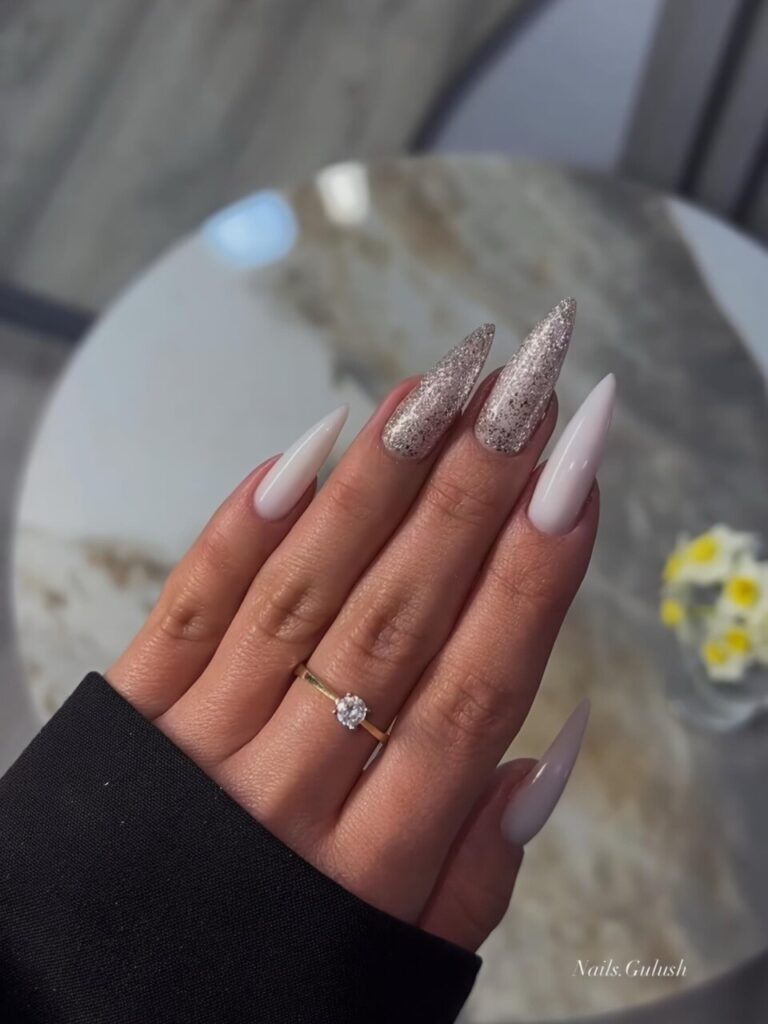
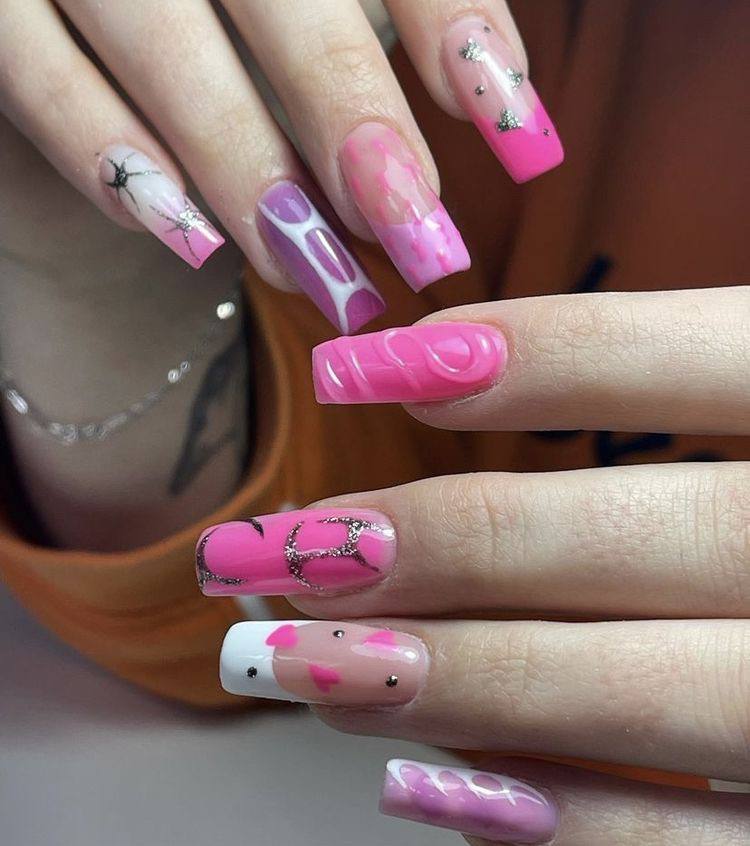
A common misconception is that mismatched nails lack direction. In high-end editorial styling, the goal is not randomness, but rather a carefully selected collection of motifs. When you choose a mismatched set, you are working with a visual vocabulary. This might include a mix of solid opaque colors, sheer jelly finishes, and 3D textures. The key to avoiding a chaotic appearance is to anchor the variety with a consistent tonal palette. For instance, if you select various shades of pink, you can transition from a milky, translucent rose to a saturated, deep magenta without losing the overarching theme. This creates a sense of rhythm across your fingers, where the eye moves from one distinct design to the next in a way that feels deliberate.
Mastering Translucency and Texture
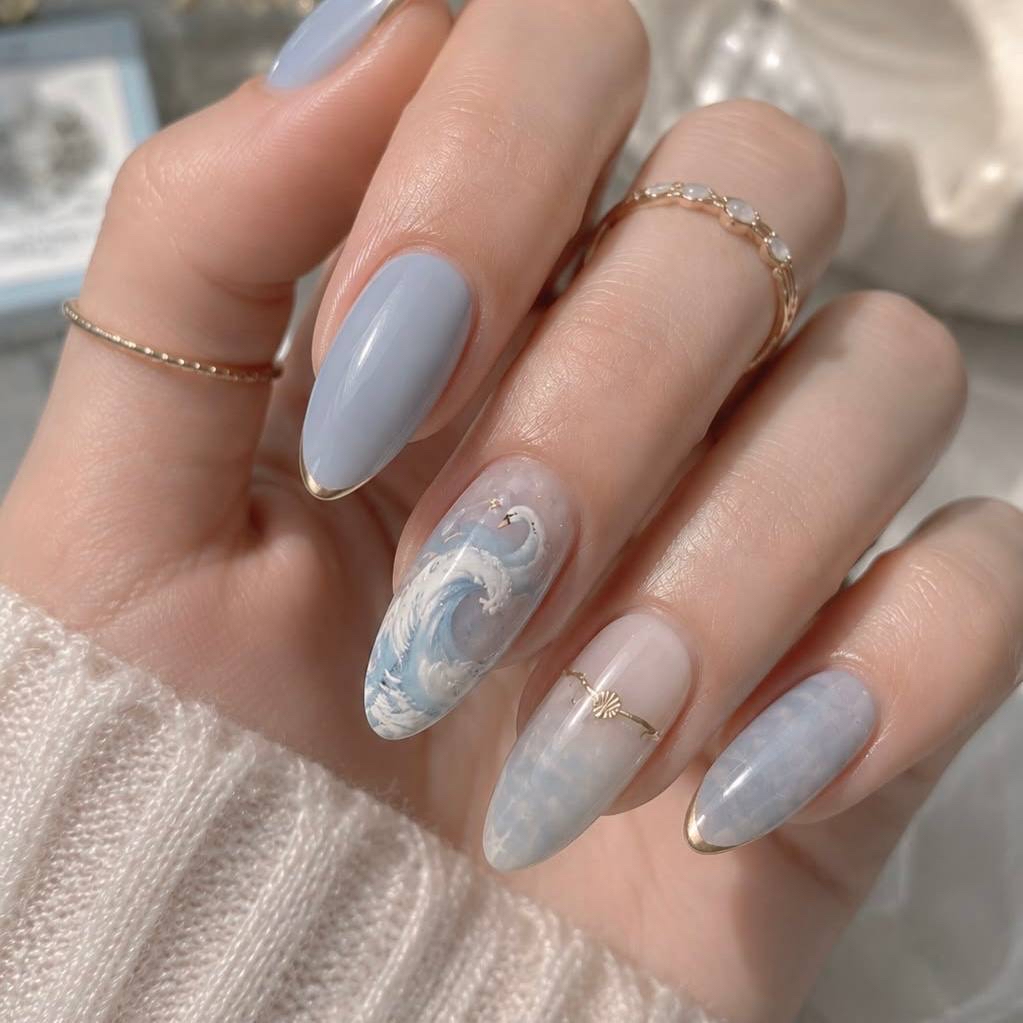
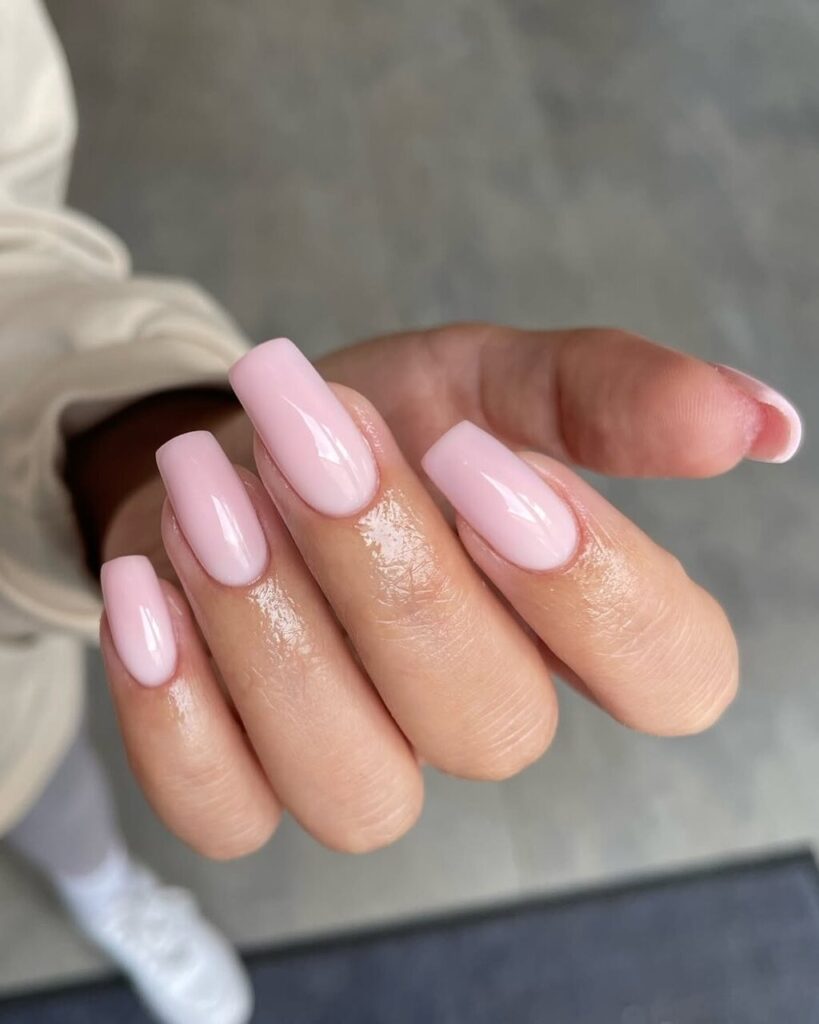
The most striking element of this trend is the use of jelly finishes. Unlike standard opaque creams that sit heavily on the nail, jelly polishes allow light to pass through the pigment, creating a depth reminiscent of stained glass or sea glass. To achieve this, you can use specialized jelly gels that offer a watercolor-like effect. This translucency is particularly effective when paired with negative space, where parts of the natural nail or a sheer base are left visible to provide breathing room for the more saturated elements.
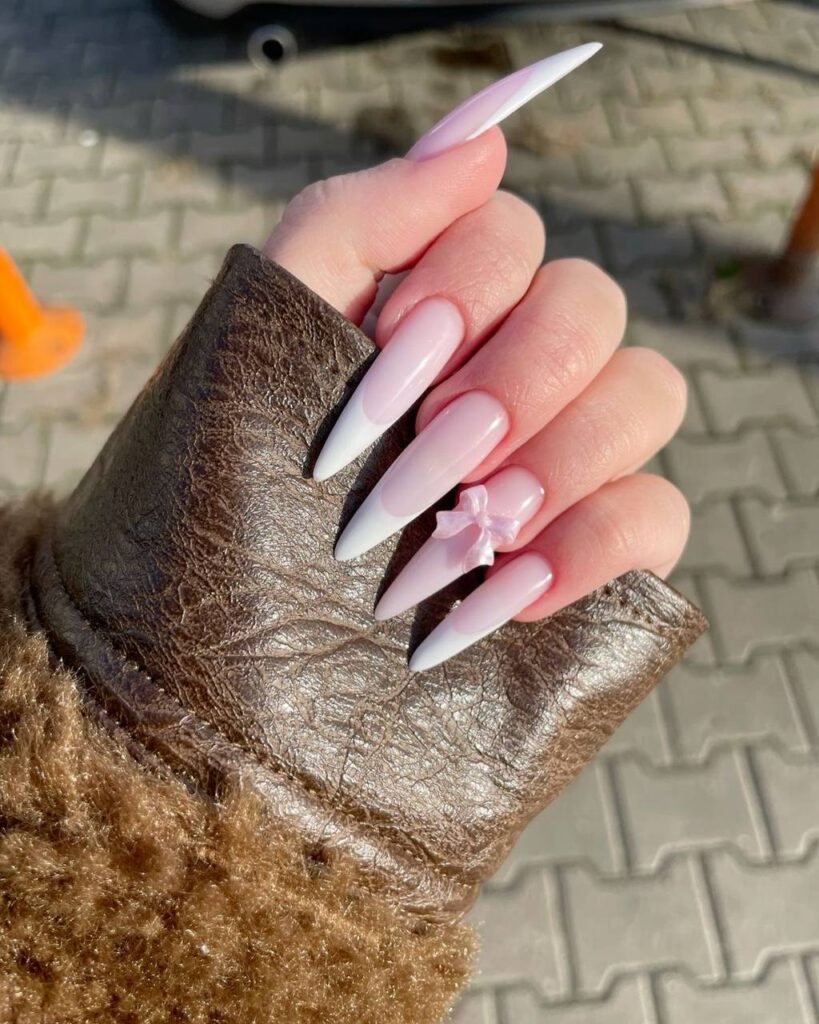
To add a tactile dimension, you can incorporate 3D embossing. This involves using a thick, non-leveling builder gel to create raised patterns, such as the fluid swirls or organic lines that have become staples of modern nail art. These sculptural elements catch the light differently than the flat surfaces of the jelly base, adding a layer of complexity. You might also experiment with chrome powder applied over specific sections to create a metallic contrast, or add tiny silver charms and micro-starbursts to break up the larger blocks of color.
Achieving Tonal Cohesion
When designing your own palette, think in terms of saturation and temperature. A set that features a mix of lilac, bubblegum pink, and crisp white is successful because the colors share a similar brightness. To prevent the different designs from competing for attention, vary the complexity of the art on each nail. If one nail features an intricate, silver-lined spiderweb pattern, the adjacent nail might be a simple, sheer jelly pink. This distribution of visual weight ensures that no single nail overwhelms the hand.
Shape also plays a significant role in how these designs are perceived. A long coffin or ballerina shape provides an elongated canvas that accommodates fine-line details and vertical swirls effectively. If you prefer a more conservative silhouette, a squoval shape can still carry the jelly aesthetic, though the art may need to be scaled down to fit the smaller surface area. Regardless of the shape, the focus remains on how the light interacts with the varying depths of the polish.
Professional Requests and Maintenance
If you are heading to a salon to request this look, precision in your terminology will help your technician understand your vision. Rather than asking for mismatched nails, suggest a tonal jelly set with mixed media elements. Specify that you want varying levels of translucency and perhaps some 3D gel work or micro-art. Mentioning specific finishes, such as a high-shine top coat over the jelly layers to enhance the glass-like effect, will ensure the final result aligns with your expectations.
Maintaining the structural integrity of these designs is just as important as the initial application. Long extensions, particularly those with heavy 3D elements, require a strong apex placement to prevent stress fractures at the natural nail bed. To keep the manicured look looking polished, you must prioritize the health of the surrounding skin. A consistent application of a cuticle oil barrier is necessary to prevent the skin from appearing dehydrated, which can distract from the intricate work on the nail plate. Regular upkeep will ensure that the translucency of the jelly layers remains clear and the metallic accents stay bright.
Embracing this style allows you to move beyond the limitations of a single color, giving you the freedom to experiment with texture and light as part of your personal aesthetic.