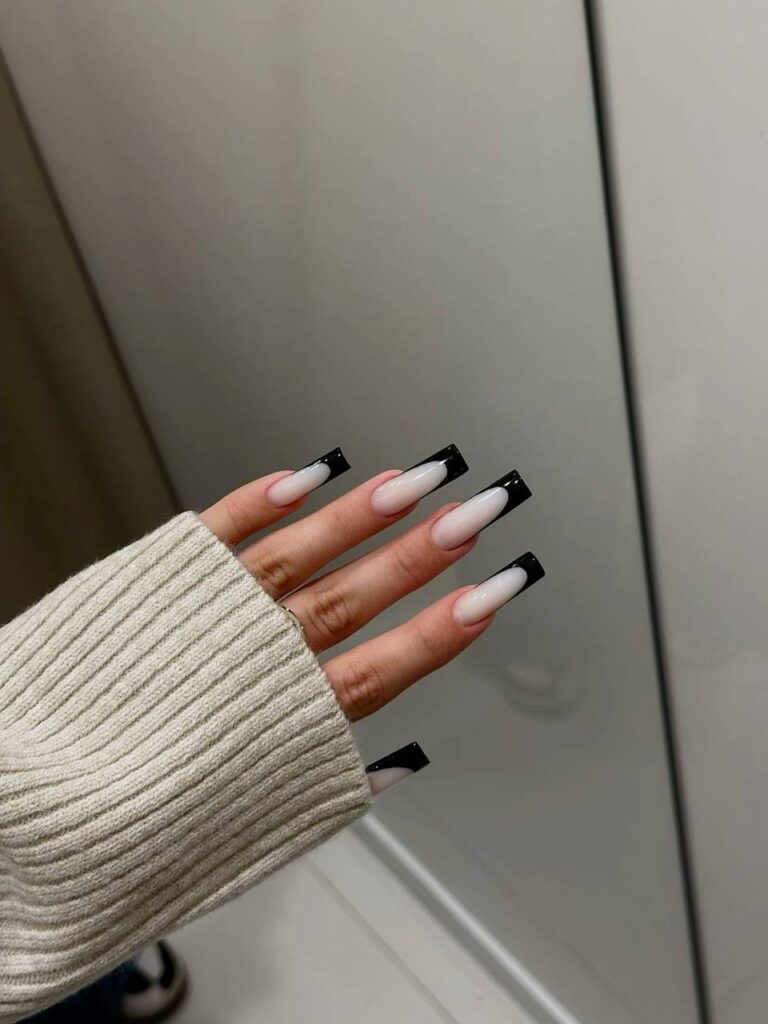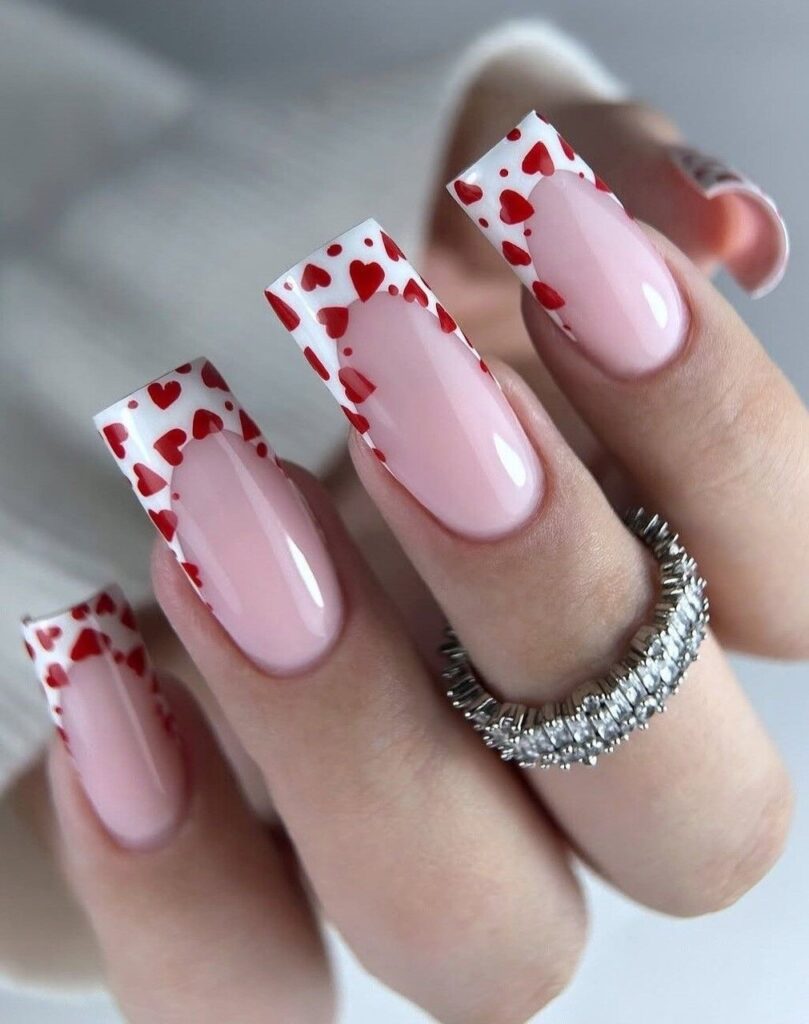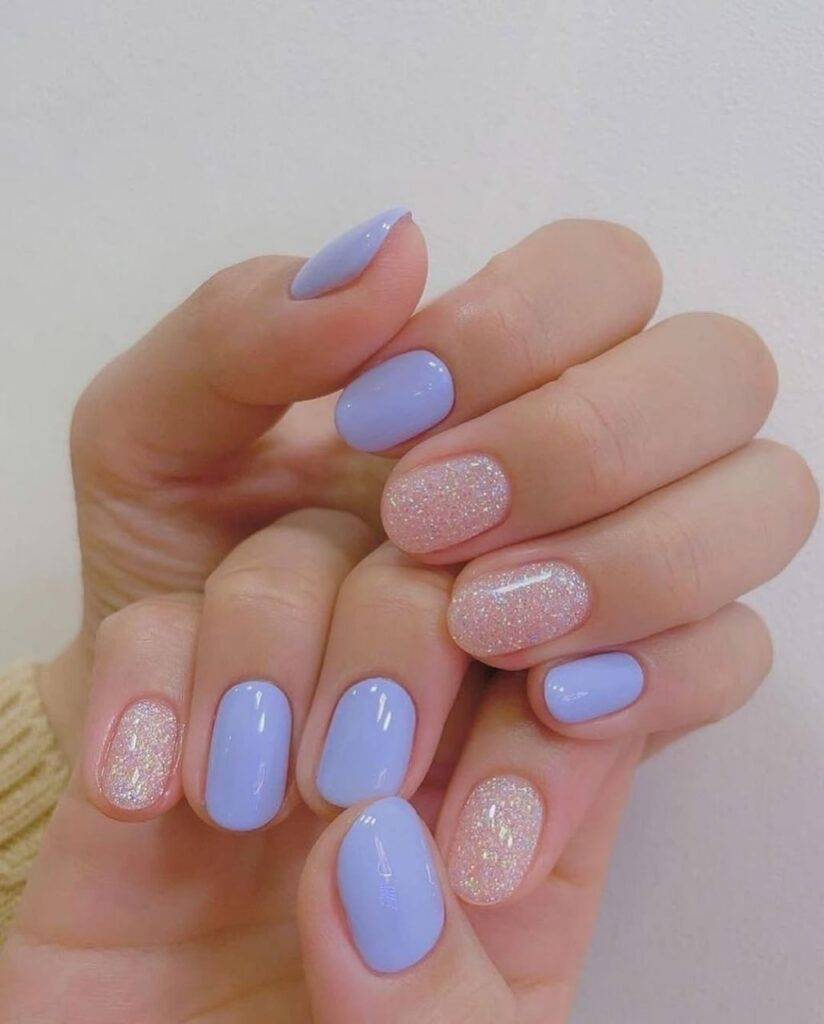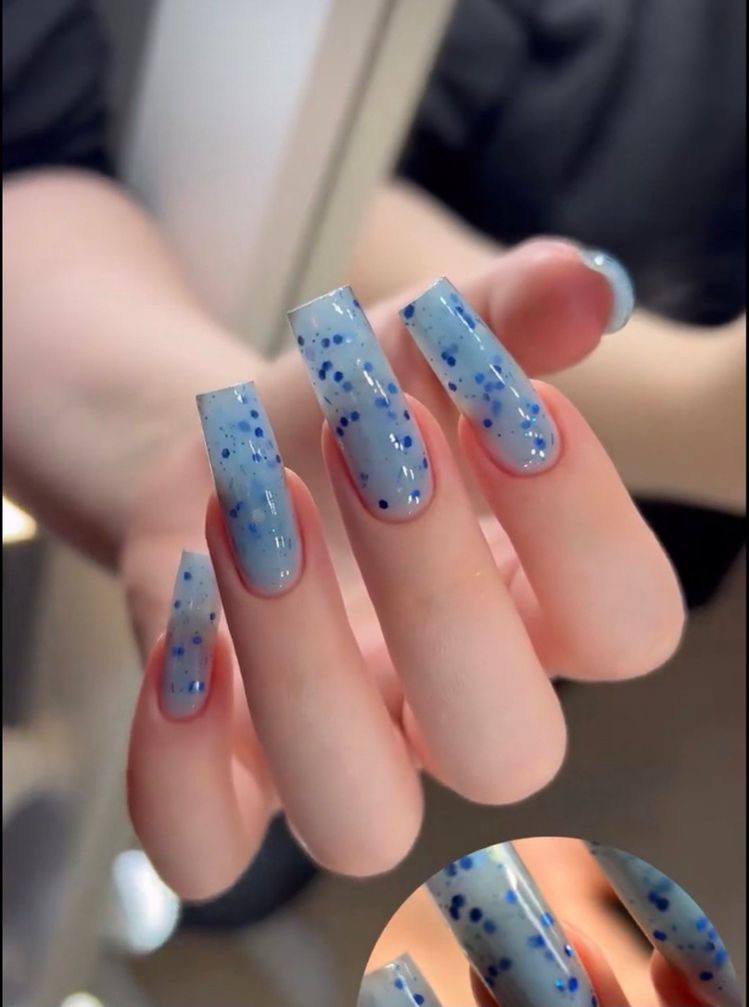
Try the Butter Yellow Nail Trend for the Sunniest Spring Manicure
A soft, creamy hue we’ll be wearing all season.
The air has finally shifted, carrying that specific, crisp scent of damp earth and waking gardens. You are walking through a local flower market on a slow Saturday morning, the kind where the sunlight filters through canvas awnings in long, hazy strips. Around you, bundles of primroses and pale tulips lean against wooden crates, their petals a soft, muted gold that feels more like a whisper than a shout. There is a coolness to the breeze that still requires a light knit cardigan, but the warmth on your skin suggests that the heavy layers of winter are officially a memory.
You are likely not standing in a flower market right now—you are perhaps scrolling through your phone during a coffee break or winding down in your favorite chair—but you can carry that same sense of optimism and softness with you. It is a mood that translates perfectly to your fingertips, replacing the dark, moody tones of January with something that feels like a fresh start. You can capture this specific, light-filled energy with a butter yellow manicure.
What Are Butter Yellow Nails?
Butter yellow nails are characterized by a pale, desaturated yellow hue that sits exactly between a pastel and a neutral. Unlike the high-visibility neon yellows of summer or the sugary, translucent tints of a traditional spring pastel, this shade is creamy and opaque. It mimics the color of clarified butter or a primrose petal, offering a soft saturation that looks intentional but understated. The finish is typically a high-gloss cream, though it can be adapted to a soft satin glow, providing a look that is clean, opaque, and warm.
Behind the Trend
This shift toward butter yellow is a natural evolution of the neutral obsession that has dominated the last few years. For a long time, the aesthetic leaned heavily on milky whites, sheer beiges, and the various shades of a latte-inspired palette. While those tones offered a sense of polished minimalism, there is a growing desire for a bit more personality without sacrificing that same “quiet” feeling. Butter yellow provides that middle ground; it is a color, but it functions like a neutral, pairing easily with denim, linens, and the soft greens of the season.
When compared to the starkness of a classic French manicure or the boldness of a cherry-red tip, butter yellow feels more approachable and nostalgic. It evokes a certain 1990s softness, reminding us of the muted palettes found in vintage knitwear and old polaroids of family vacations. It resonates now because it feels optimistic. After a season of heavy blacks and deep plums, this shade acts as a visual palate cleanser, mirroring the way we naturally gravitate toward lighter fabrics and open windows as the days grow longer.
How to Get Butter Yellow Nails
Achieving this look starts with a clean, smooth canvas, as the light nature of the pigment can sometimes highlight ridges in the nail plate. Begin by gently buffing the nail surface to remove any imperfections and pushing back the cuticles to maximize the nail area. Apply a clear base coat to protect the natural nail and provide a tacky surface for the color to grip.
For the color, you will want a cream nail lacquer in a pale yellow shade. The key to this trend is the opacity; you want a polish that looks like a solid, creamy wash of color rather than a sheer glaze. Apply the first coat in thin, sweeping motions, focusing on the center of the nail and then pulling toward the edges. Do not worry if the first layer looks slightly streaky or uneven; the goal is to establish a base of color without creating bulk.
Wait a few minutes for the first layer to set before applying a second coat. Two thin coats read more true-to-trend than one thick layer, which can lead to bubbling or a finish that looks too heavy. The second coat will smooth out the pigment and create that dense, buttery saturation that defines the look. Ensure you cap the free edge of the nail with the brush to prevent premature chipping.
Finish the manicure with a high-shine top coat. A glossy finish is essential here because it mimics the luminous quality of springtime light and gives the pale yellow a polished, professional appearance. If you prefer a more modern, understated vibe, a satin top coat can soften the look, making the color appear more like a velvet ribbon than a lacquer.
To take this trend a step further, you can experiment with a subtle contrast. Try adding a single, thin white line across the tip of the nail for a modernized take on the French manicure, or apply a sheer, pearlescent glaze over the yellow to add a multidimensional glow that catches the light as you move your hands.