Try the Jelly Bloom Nail Trend for the Sweetest Spring Manicure
A soft, tactile look for the season ahead.
The morning air carries a specific kind of weight in late April—a damp, cool freshness that settles on the skin like a fine mist. You walk through a garden just as the sun begins to crest the treeline, and there is that fleeting moment where the light hits the dew on a peony, making the petals look almost translucent, as if they were carved from sugar or sea glass. Everything feels soft, blurred at the edges, and deeply hydrated by the spring rain.
You might not be spending your Tuesday morning wandering through a damp garden, but you can bring that sense of light and texture into your daily routine through a Jelly Bloom manicure. It is a way to carry a bit of that seasonal softness on your fingertips, regardless of whether you are in a meadow or sitting at a desk.
What Are Jelly Bloom Nails?
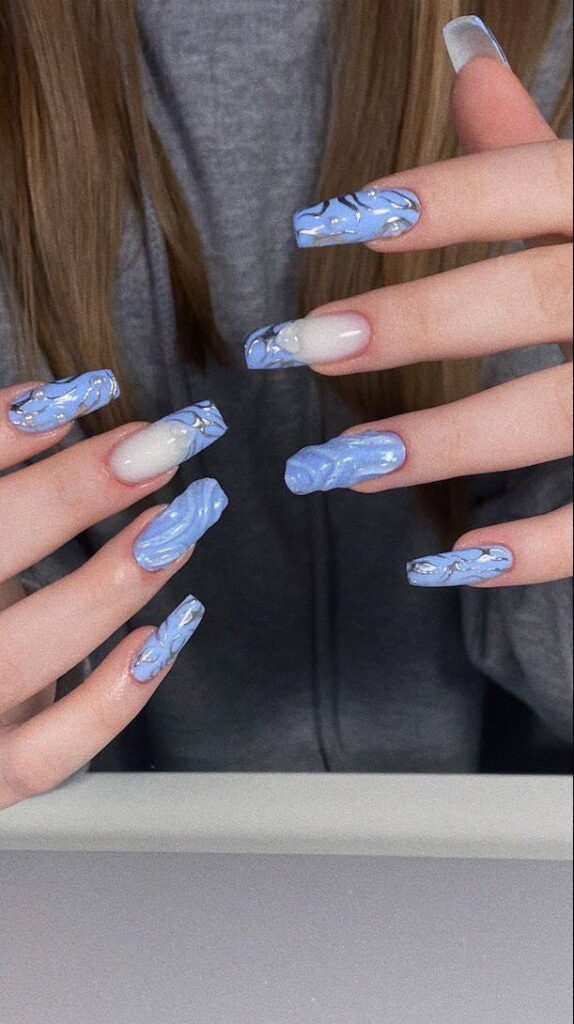
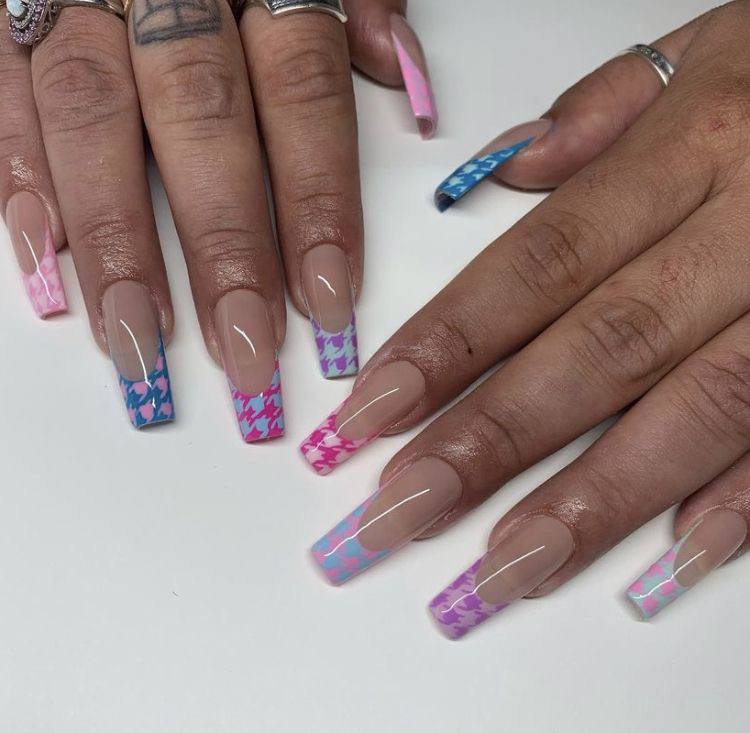
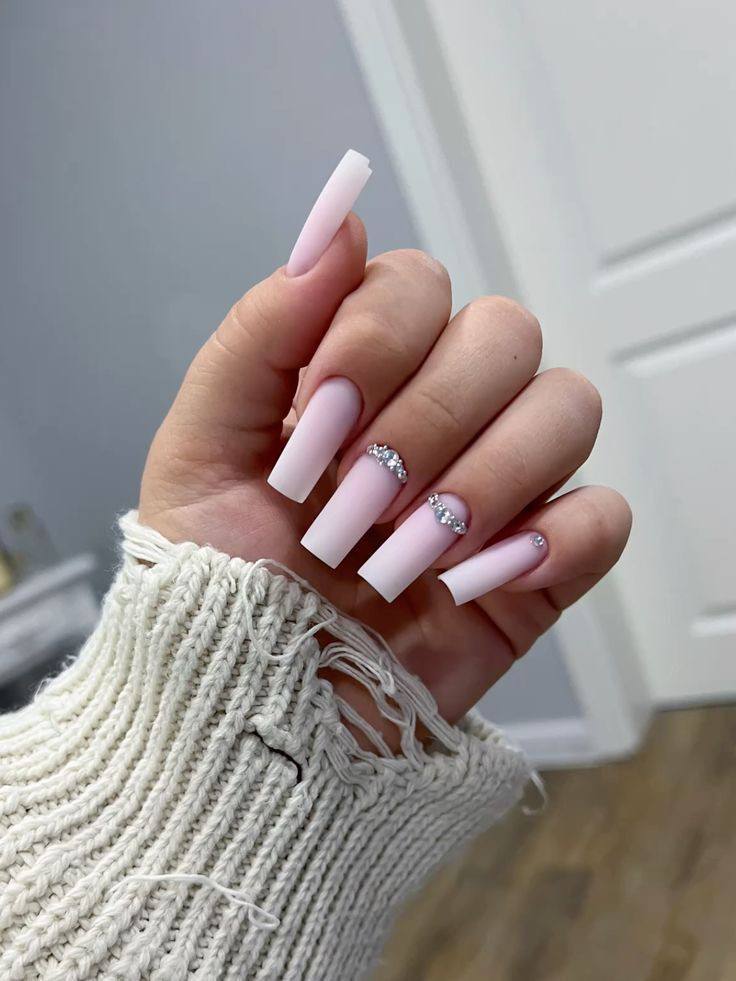
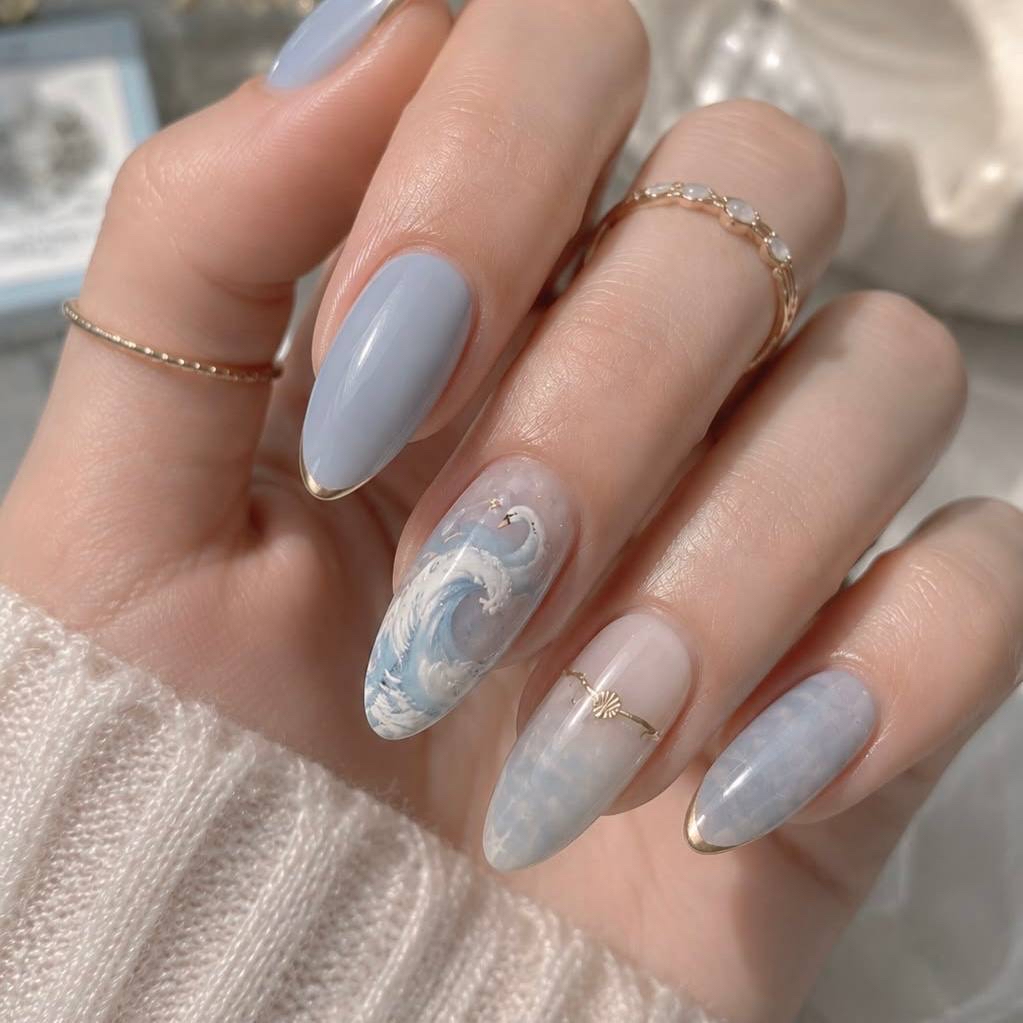
Jelly Bloom nails are defined by a high level of translucency and a three-dimensional, tactile finish. The base of the manicure utilizes a jelly polish—a sheer, pigment-light lacquer that allows the natural color of your nail bed to show through, creating a glass-like or water-colored effect rather than a solid block of color. This is paired with a traditional French tip, typically in an opaque white, to provide a clean structural border. The focal point of the trend is the addition of raised, sculptural elements, usually small floral motifs, which are built up using a thick, viscous sculpting gel. This creates a physical texture that sits above the surface of the nail, catching the light and inviting a sense of touch.
Behind the Trend
This trend arrives at a moment when the nail world is shifting away from the stark, hyper-minimalist “clean girl” aesthetic and the high-octane, futuristic shine of chrome finishes. While those previous trends prioritized smooth, mirror-like surfaces or almost invisible nudes, Jelly Bloom nails embrace a more romantic and textural middle ground. There is an inherent softness here that feels restorative. It taps into a subtle sense of nostalgia, reminiscent of the translucent, candy-like textures of childhood sweets or the delicate, watercolor washes used in early art classes. It provides a way to express femininity and seasonal change without the heavy, saturated pigments that defined past maximalist eras. Instead, it leans into the quiet beauty of light and depth, making it feel more like an extension of a natural landscape than a heavy application of cosmetic art.
How to Get Jelly Bloom Nails
To achieve this look, you will first need to select a jelly polish in a soft, petal-inspired shade like pale pink, peach, or even a very light lavender. The key to a successful jelly application is the thickness of your layers. You should aim for two very thin coats rather than one heavy one; if the polish is too thick, you lose that essential, light-refracting transparency that makes the trend work. Once your sheer base is set, you can use an opaque white polish to create a slim, delicate French tip. Keeping the tip narrow and slightly rounded helps maintain the soft, organic feel of the manicure, preventing it from looking too sharp or clinical.
The most technical part of the process involves building the three-dimensional flower. For this, you will need a sculpting gel or a highly viscous builder gel. Unlike standard polish, this category of product is designed to hold its shape and provide height. Using a fine detail brush, you will work with the gel to create the flower by laying down small, teardrop-shaped beads of product in a circular pattern. These beads should be slightly raised so that they form the physical shape of the petals. Once the gel has been cured to a hard finish, apply a high-shine top coat to the entire nail. This seals the sculpture and gives the jelly base that dewy, glass-like appearance that ties the whole look together.
If you want to try a more sophisticated version of this style for a formal event, consider swapping the pink floral element for a single, tiny pearl or a fine application of gold leaf tucked into the curve of the French tip. This maintains the tactile interest while shifting the aesthetic toward something a bit more refined.