The Evolution of the Graphic French Tip
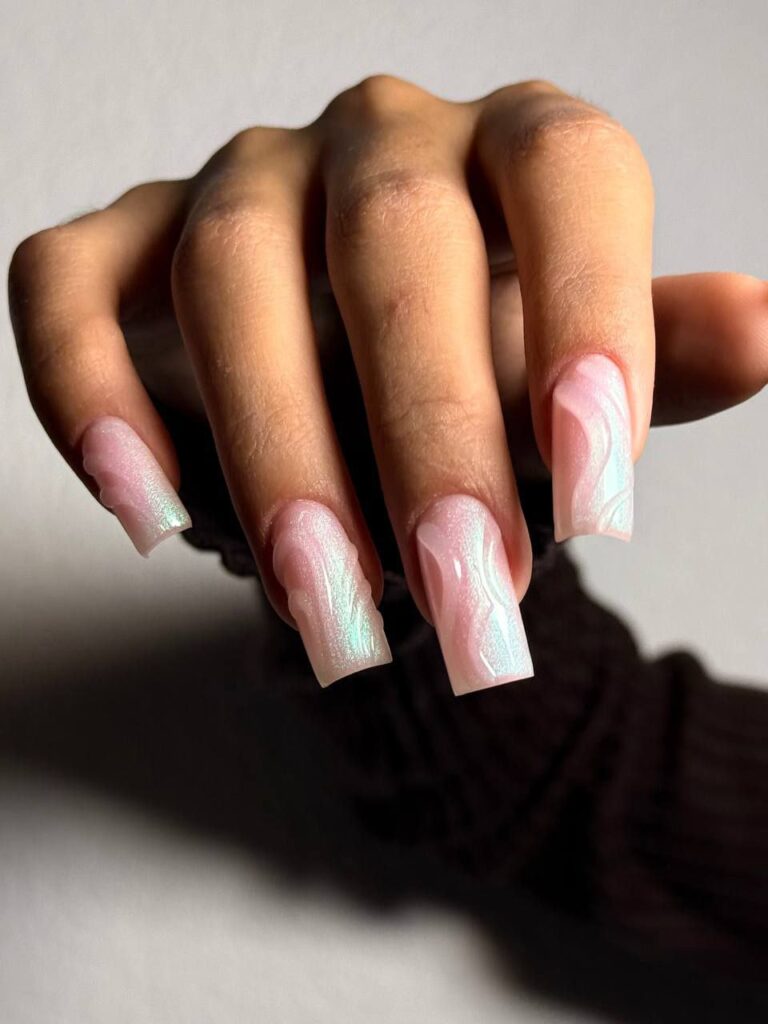
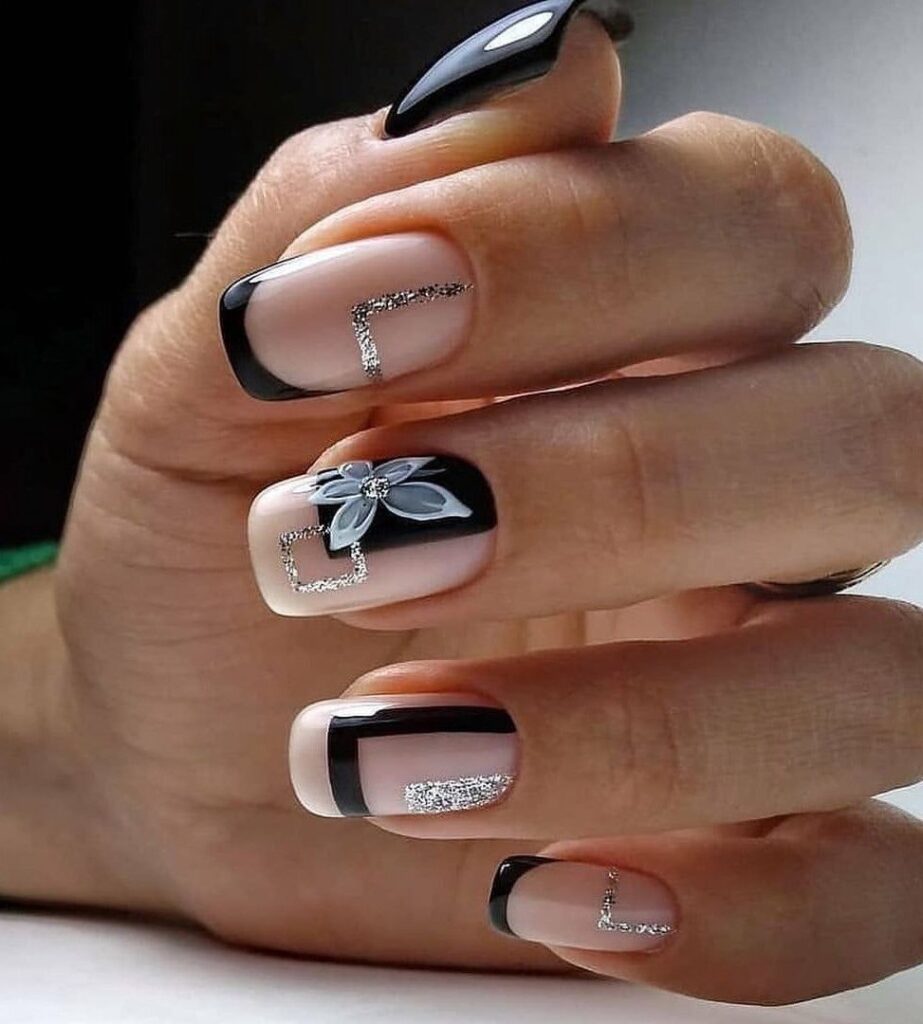
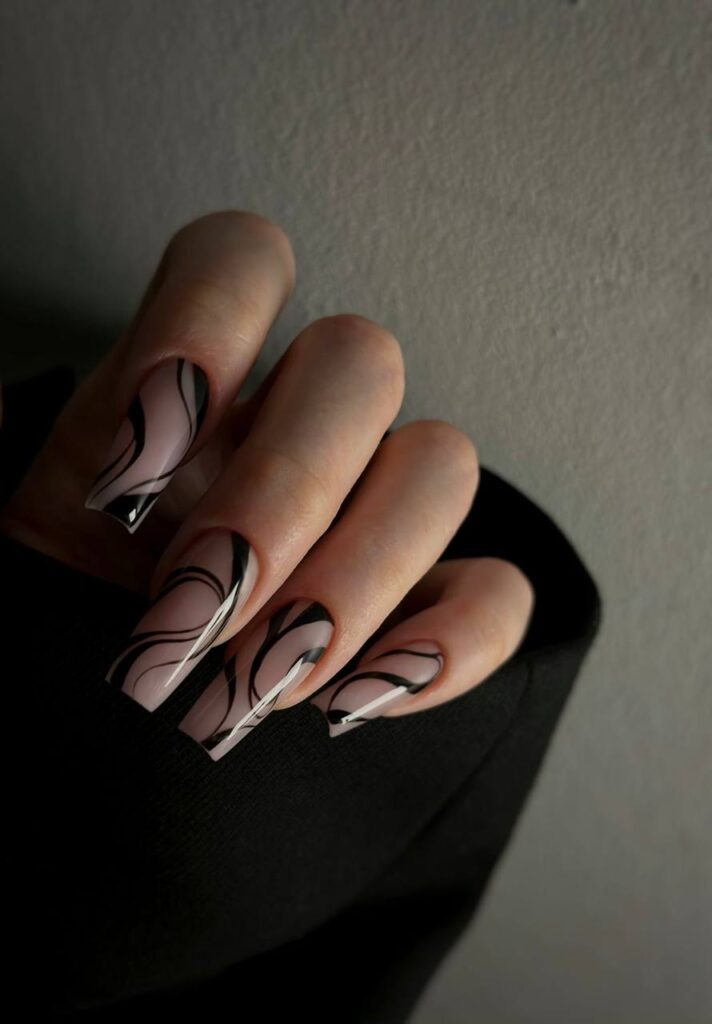
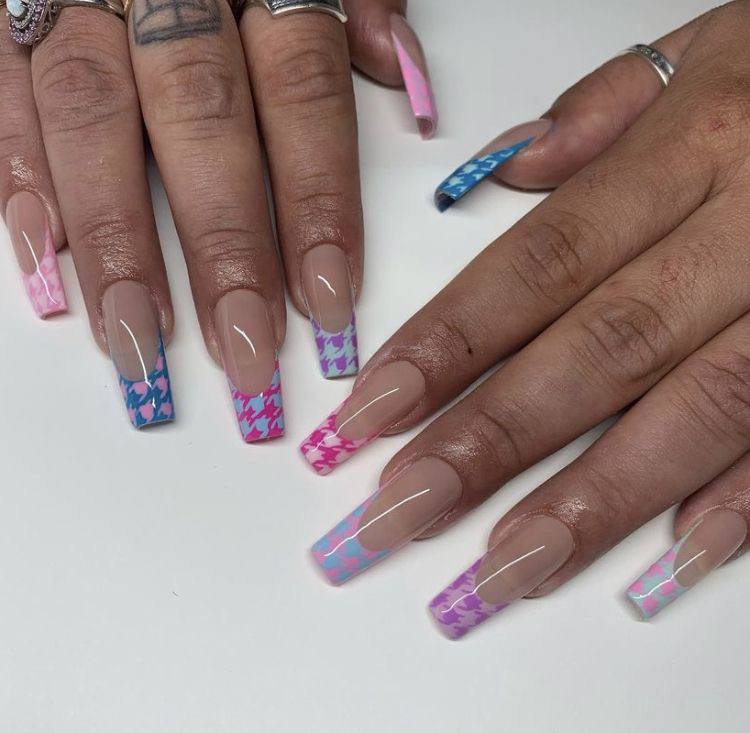
The traditional white smile line of the classic French manicure is receding, making way for a more intentional, graphic approach to nail design. While the standard manicure focuses on a clean, quiet minimalism, the modern iteration leans into high-contrast tension. By pairing a sheer, translucent nude base with a densely patterned tip, you create a visual dialogue between the natural nail bed and an aggressive, artistic statement. This specific aesthetic, often seen in long coffin or ballerina shapes, relies on the interplay of negative space and saturated pigment to command attention without appearing cluttered.
The Anatomy of the Graphic French Tip
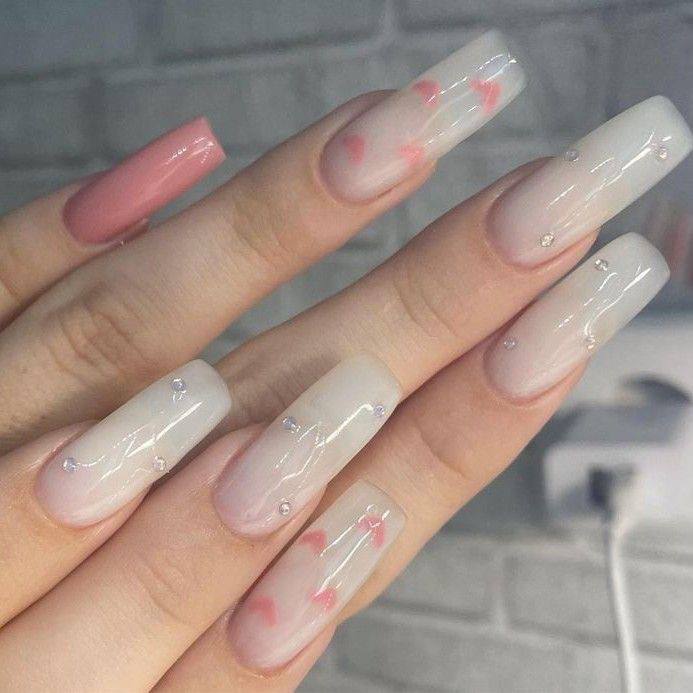
The success of this look hinges on the quality of the base. Rather than using a heavy, opaque beige, the objective is to utilize a sheer jelly-like nude. This translucency allows the natural light to pass through the nail, mimicking the healthy appearance of a natural nail bed while providing a smooth, even canvas. When the base is too thick or opaque, the transition to the patterned tip can feel abrupt and heavy. By maintaining a lightweight, semi-transparent foundation, you allow the focus to remain entirely on the intricate details of the printed tip.
The pattern itself serves as the focal point. Unlike the uniform sweep of a traditional French tip, these designs often incorporate abstract motifs—think organic marble swirls, micro-animal prints, or irregular geometric blotches. This creates a sense of movement across the free edge of the nail. Because the pattern is concentrated only at the tip, the length of the nail is visually elongated, a phenomenon enhanced by the tapered sides of the coffin shape.
Structural Integrity and Technical Application
Achieving a long coffin shape requires more than just filing the sides into a taper; it requires precise apex placement to ensure durability. When you extend the nail length to this degree, the structural strength must be concentrated at the center of the nail bed to prevent snapping under pressure. A well-constructed apex provides the necessary support for the weight of the tip and the added thickness of the art layers.
For the application of the pattern, precision is paramount. If you are working with gel paints, a fine liner brush is the primary tool for defining the boundary where the nude base meets the print. To avoid a muddy appearance, the edge of the French line must be crisp before the pattern is layered on top. If you are attempting this at home, using a stamping plate or high-quality nail decals can provide the level of micro-detail that is difficult to achieve freehand. Once the pattern is set, a thick, high-shine top coat is required to encapsulate the design. This not only protects the pigment from chipping but also creates a smooth, glass-like surface that blends the various layers into a single, cohesive unit.
Color Theory and Shape Coordination
The color palette of the graphic French tip offers significant flexibility, but it performs best when it embraces a sense of organized chaos. In the current trend, we are seeing a shift toward clashing pastels—lavender, cobalt, and bubblegum pink—working in tandem. These colors provide enough contrast to be legible from a distance, yet their shared saturation levels prevent them from feeling disjointed.
When selecting a shape to complement these prints, the coffin shape is the most effective choice. The straight, architectural lines of the coffin silhouette provide a structured frame for the fluid, organic shapes within the pattern. If you prefer a softer look, a squoval shape can work, but it will reduce the visual impact of the elongation. For those seeking a more avant-garde appearance, an extreme stiletto shape can heighten the drama of the print, though it requires even more rigorous apex management to maintain strength.
Maintaining the Artistry
Because these designs rely on the clarity of the nude base and the sharpness of the tip, maintenance is a matter of preserving both color and structure. As the nail grows out, the gap between the cuticle and the nude base will become more apparent. To keep the look fresh, regular manicures are necessary to manage the regrowth and ensure the apex remains correctly positioned.
Protecting the integrity of the pattern is equally important. To prevent the print from dulling or chipping at the free edge, you should apply a nourishing cuticle oil daily. This creates a moisture barrier that keeps the natural nail and the surrounding skin healthy, which in turn prevents the gel from lifting at the edges. Additionally, avoid using your nails as tools; the mechanical stress on a long coffin shape can cause micro-cracks in the top coat, which eventually leads to the degradation of the intricate pattern underneath.
You have the tools to move beyond the predictable and embrace a design that reflects a more complex, curated sensibility. Whether you are requesting this at a salon or refining your own technical skills, the focus remains on the balance of structure and artistry.