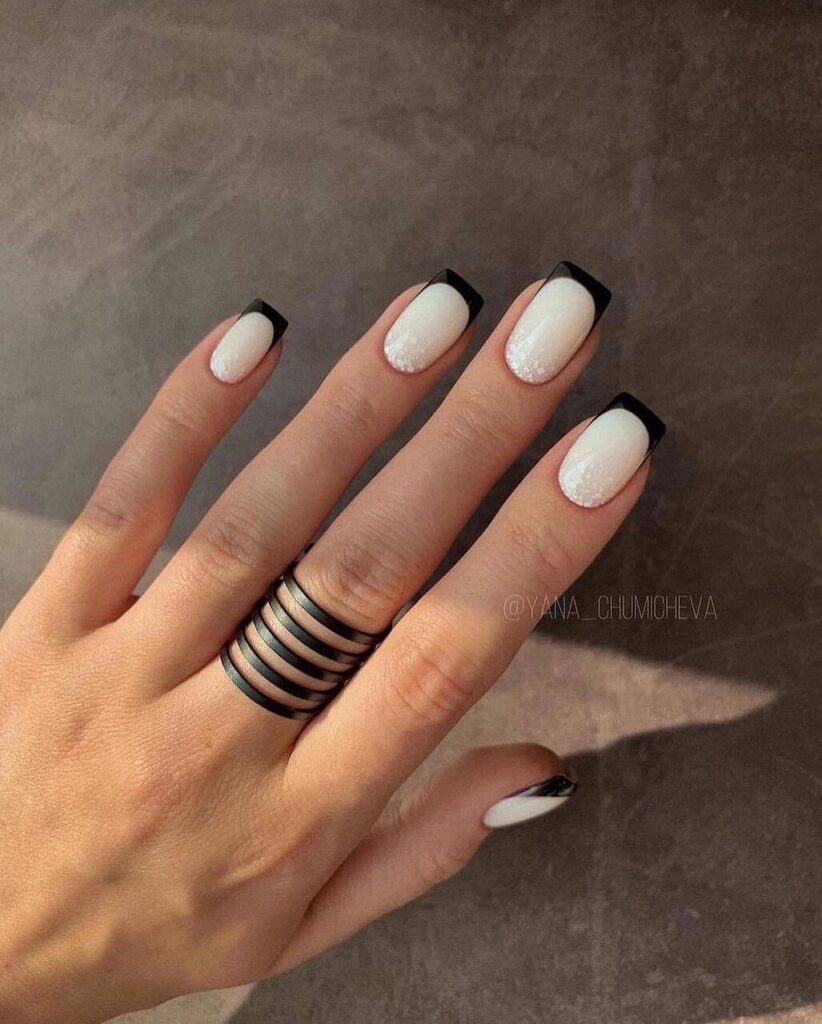
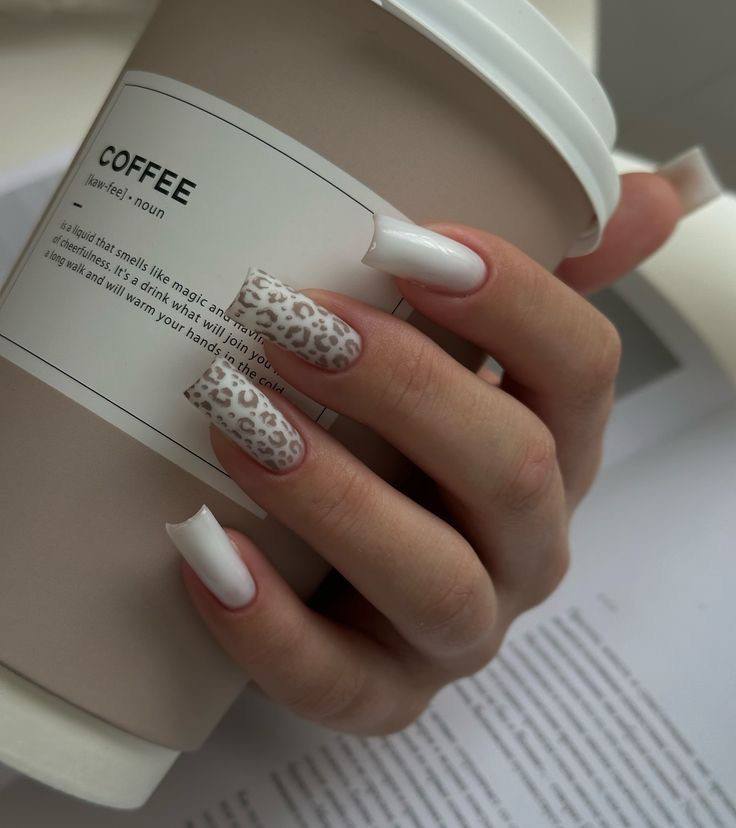
Try the Butter Yellow Nail Trend for the Softest Spring Manicure
We’ll be wearing it all season.
You are sitting at a small, wrought-iron table on a terrace in the early morning. The air is still cool, carrying the scent of damp stone and blooming jasmine. Before you sits a bowl of chilled peaches and a glass of sparkling water, the condensation beading on the glass in slow, rhythmic drips. The sunlight is just beginning to crest over the horizon, casting a pale, buttery glow across the linen tablecloth and turning the world a soft, filtered gold. It is the kind of morning that feels slow and deliberate, where the only requirement of the day is to exist in the quiet.
You likely aren’t currently waking up in a Mediterranean villa, but you can carry that same sense of airy, optimistic warmth with you throughout your workday or your weekend errands. The mood of a slow, sunny morning is easily translated into your beauty routine, specifically through a manicure that mirrors the lightness of the season. By swapping your winter neutrals for a creamy, pale yellow, you can bring a bit of that terrace sunlight to your own fingertips.
What Are Butter Yellow Nails?
Butter yellow nails are defined by a desaturated, pale yellow hue that leans heavily into cream and vanilla tones. Unlike the high-intensity saturation of a neon yellow or the sharp, acidic tone of a lemon, this shade is muted and soft. The finish is typically a solid, opaque cream that provides full coverage without appearing heavy or thick. When finished with a high-shine top coat, the result is a smooth, glass-like surface that mimics the look of polished ceramic or a fresh pat of salted butter. It is a color that acts as a bridge between a traditional neutral and a bright pop of color, offering a glow that feels natural rather than artificial.
Behind the Trend
This shift toward a softer palette comes as a response to the heavy, moody tones that typically dominate the colder months. For a long time, the transition from winter to spring meant a jump straight into bright pastels or sheer, milky pinks. Butter yellow offers a third option. It aligns with the current preference for a more understated approach to luxury, where the goal is to look polished and intentional without appearing to try too hard. It is a quiet statement, providing a sense of cheerfulness that remains sophisticated.
When compared to the metallic chrome finishes that have stayed popular over the last year, butter yellow is a return to pigment and simplicity. While chrome nails rely on a reflective, almost futuristic layer to catch the light, butter yellow relies on the purity of the color itself to create a feeling of brightness. It also contrasts with the bold, dark reds and deep browns of the previous season, replacing intensity with a sense of openness. There is a nostalgic quality to the shade as well, evoking memories of vintage spring dresses, old-fashioned kitchen linens, and the first sight of daffodils pushing through the soil after a long freeze.
How to Get Butter Yellow Nails
To achieve this look, start by preparing the nail bed to ensure the pale pigment lays flat and smooth. You will want your nails shaped into a soft oval or a short, rounded square, as these shapes mirror the gentleness of the color. After gently pushing back your cuticles, apply a clear base coat. This step is essential when working with yellow pigments, as they can occasionally leave a faint stain on the natural nail if applied directly. Let the base coat dry completely to create a sealed barrier.
Next, select a cream-finish polish in a pale, desaturated yellow. The application process requires a light hand. Begin by swiping a thin layer from the center of the nail toward the tip, keeping a tiny gap between the polish and the cuticle to ensure a clean, professional edge. Avoid the temptation to load the brush with too much product, which can lead to streaking or bubbling. Allow this first layer to set for a few minutes before adding a second. Two thin coats read more true-to-trend than three going for full opacity, as a slight softness in the color prevents the manicure from looking like heavy paint and instead maintains that buttery, translucent quality.
Once the color is applied, take a small cleanup brush dipped in acetone to sharpen the perimeter of the nail and remove any stray marks on the skin. The final and most important step is the top coat. Use a high-shine, quick-dry top coat to seal the pigment. This creates the liquid-like depth that makes the pale yellow pop against your skin tone, whether you have a deep, cool, or warm complexion. The gloss finish is what transforms the color from a simple pastel into a sophisticated, polished look.
If you want to take the trend a step further, try incorporating a tiny bit of variation. A thin, white micro-French tip across the edge of the butter-yellow nail adds a touch of structure and a nod to classic manicure styles. For those who prefer a more modern, velvety feel, swapping the high-shine top coat for a matte top coat creates a soft-touch finish that looks like suede. This version of the trend is particularly effective for a more muted, architectural aesthetic that pairs well with oversized linen blazers and neutral knitwear.