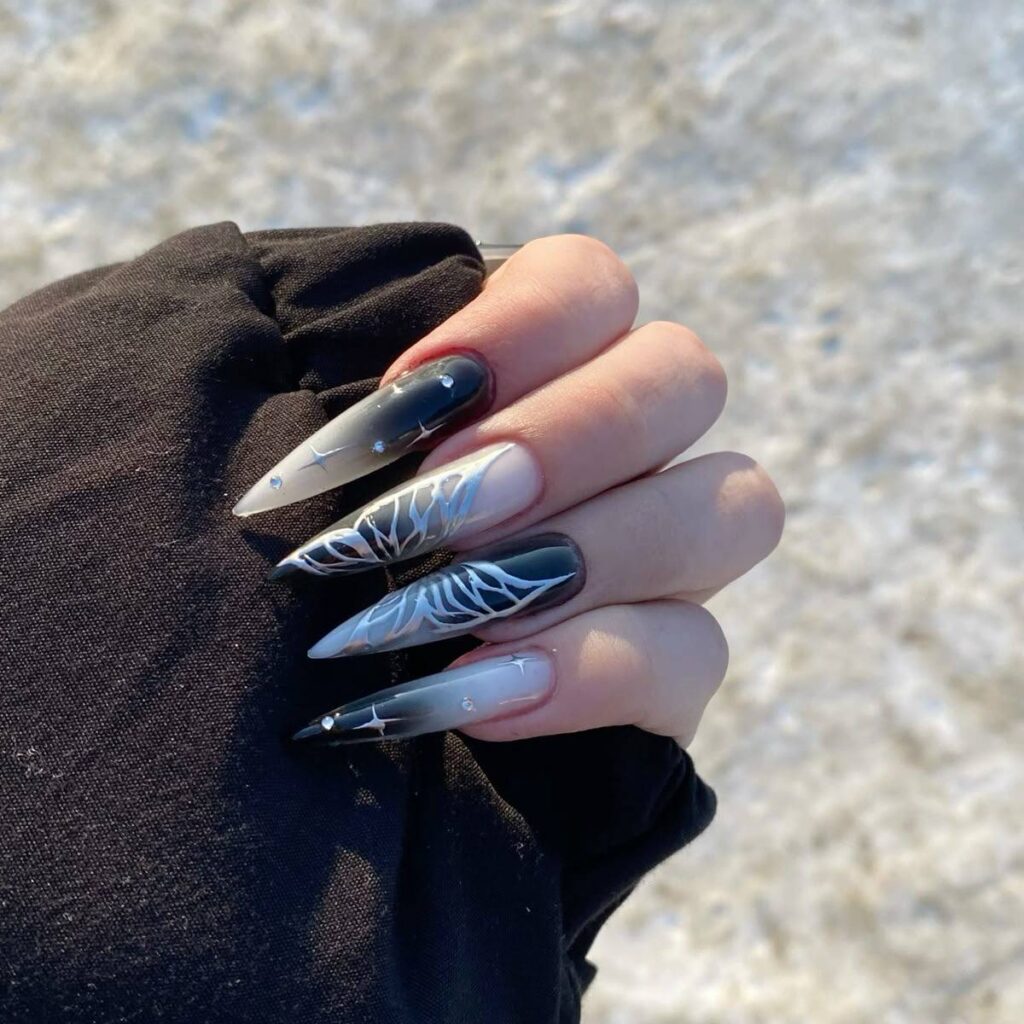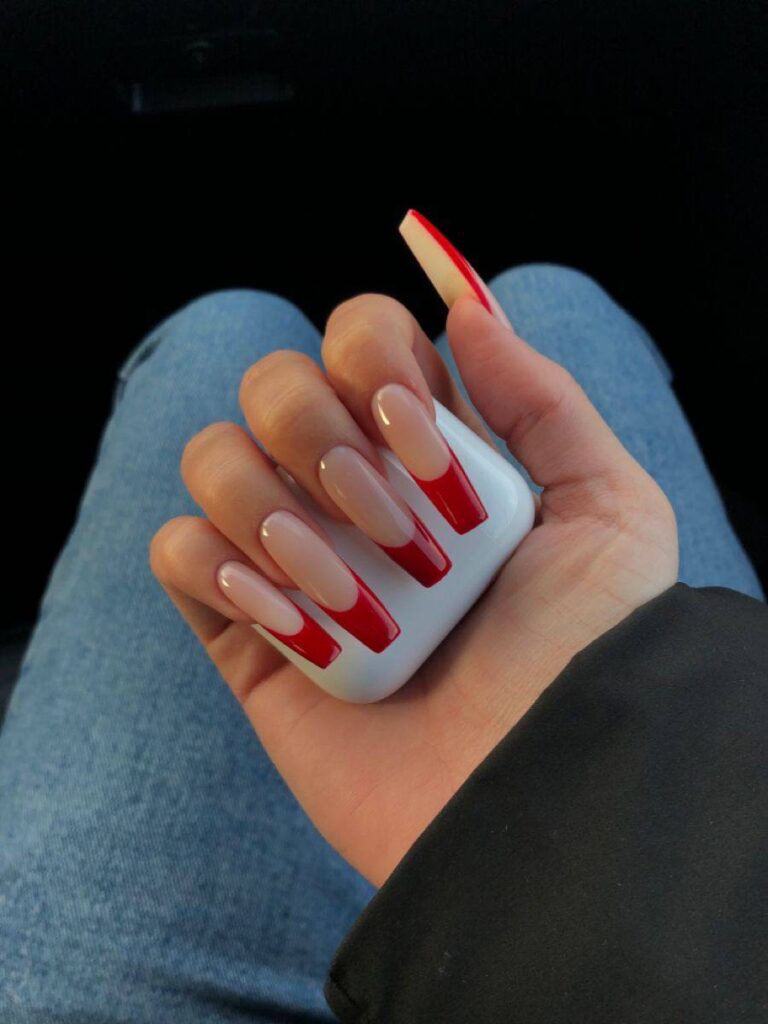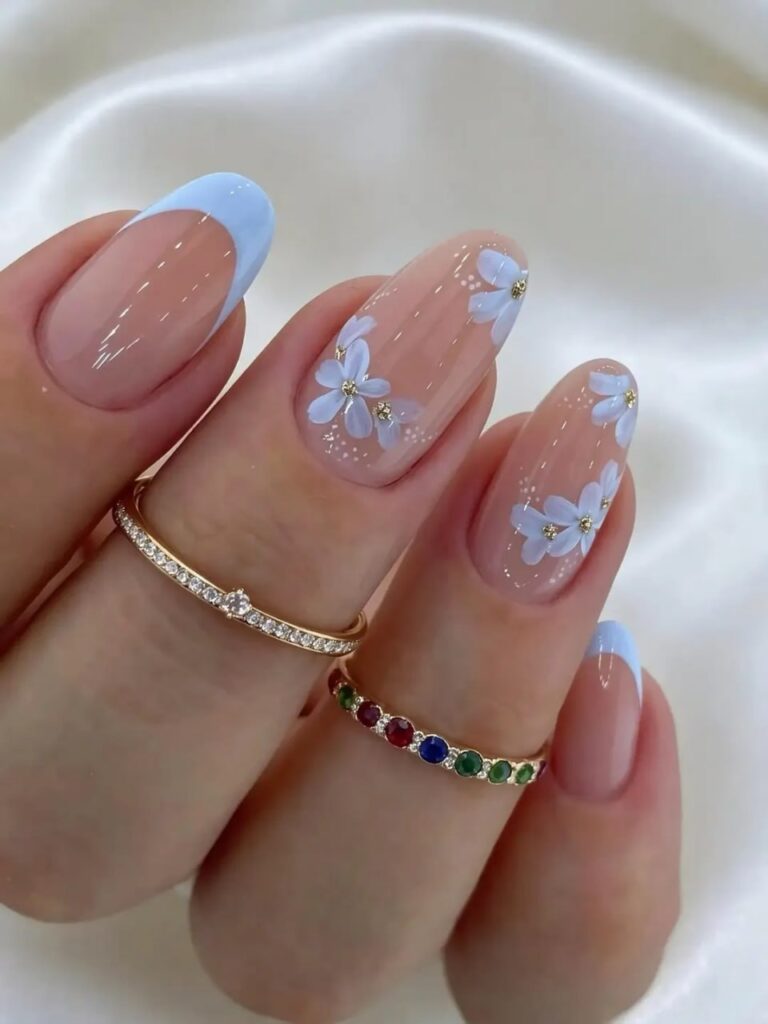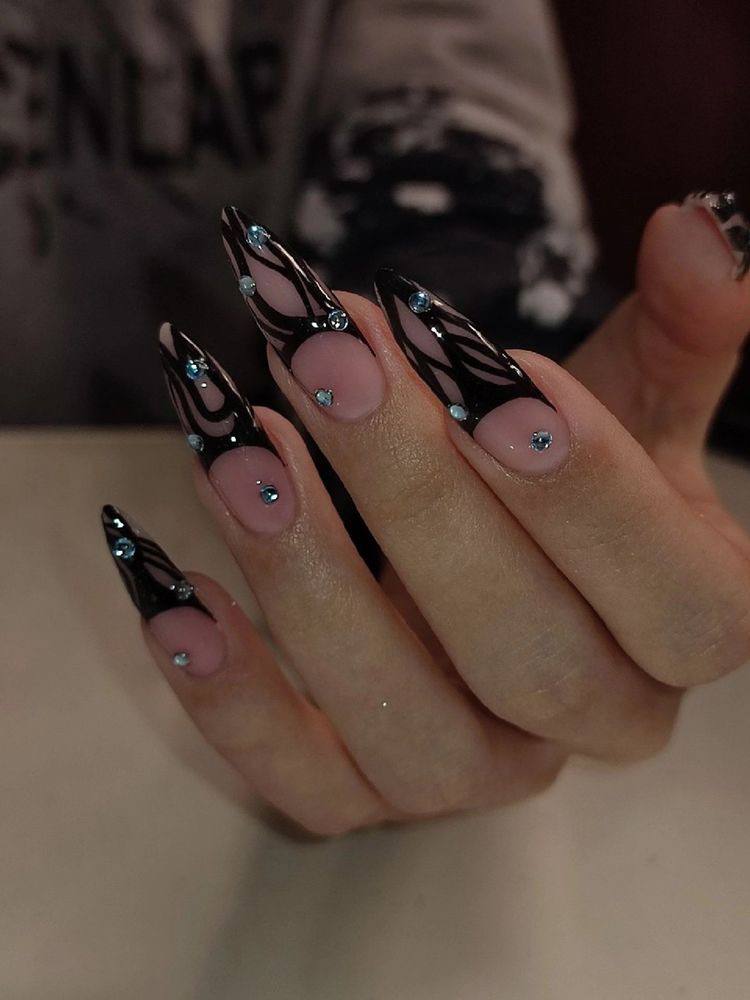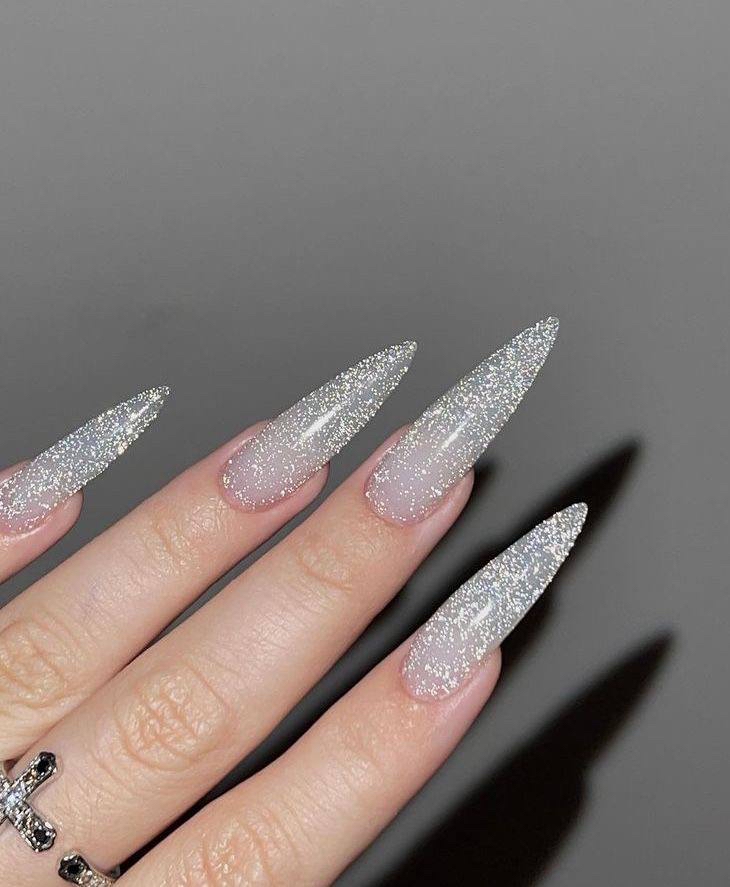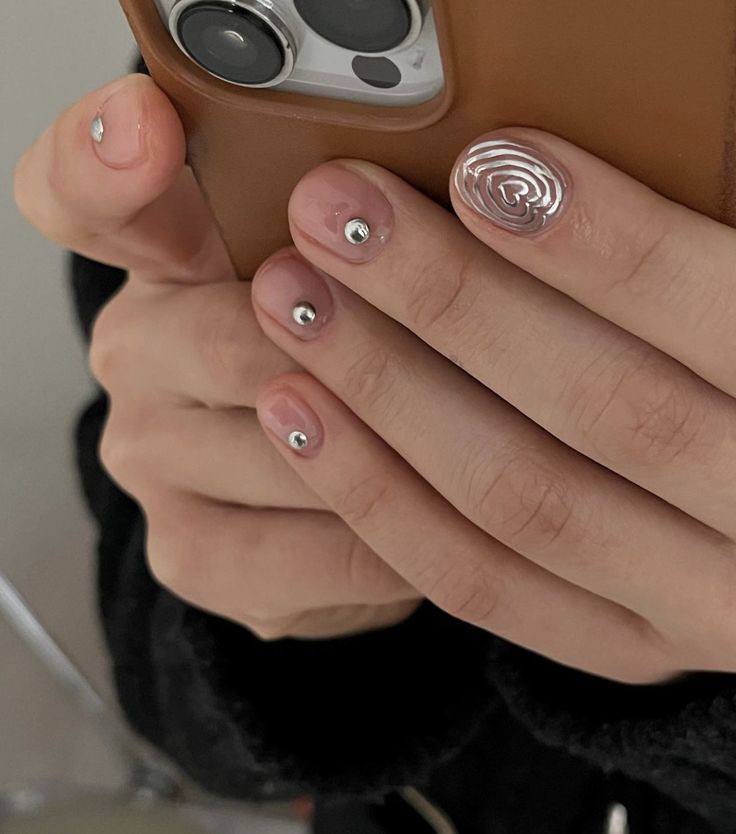
The visual tension created by a single, high-shine silver sphere resting near the cuticle against a translucent, skin-toned base is unmistakable. It is a study in deliberate contrasts: the organic softness of a jelly-finish manicure meeting the industrial precision of metallic hardware. This aesthetic moves away from the heavy, opaque color palettes of previous seasons, opting instead for a look that feels light, breathable, and highly curated. By focusing on texture and light refraction rather than pigment density, you create a manicure that feels more like a piece of fine jewelry than a simple coat of polish.
The Foundation of the Jelly Base
To achieve this specific level of depth, you cannot rely on standard cream polishes. The goal is a syrup nail effect, which requires a gel with low pigmentation and high translucency. You want the polish to act more like a tinted filter than a mask, allowing the natural color of your nail bed and even the lunula to remain visible beneath the surface. This visibility is what provides the organic, clean foundation that makes the metallic elements appear so striking.
Achieving this look is a layered process. You begin with a very thin layer of sheer builder gel to establish a smooth, even surface. Subsequent layers of jelly-pigmented gel are applied in controlled, thin applications, allowing the light to refract through the varying thicknesses. This builds a visual dimension that mimics the look of glass or heavy syrup. If you are requesting this at a salon, ask for a sheer, jelly-toned builder gel to ensure the base has enough structural integrity to support the weight of any 3D accents.
Architectural 3D Chrome Elements
The silver accents are the focal point, and their success depends entirely on the method of their application. In this aesthetic, we see two distinct types of metallic execution. The first involves the use of spherical studs or silver-pigmented beads. These are often created using a high-viscosity builder gel that is placed strategically near the cuticle line. Once the bead is shaped, it is buffed with silver chrome powder to achieve a mirror-like finish. This powder is a fine metallic pigment that, when rubbed into the surface of the gel, creates a reflective, high-shine surface that catches the light with every movement.
The second element is the more complex, swirling pattern. This requires a 3D sculpting gel—a much thicker, non-leveling product that holds its shape without spreading. By manipulating the gel with a fine liner brush, you can create concentric, heart-shaped ridges that provide a tactile, sculptural quality. The precision of these lines is what defines the look. Because the gel is thick, it requires careful curing under a UV or LED lamp to ensure the shapes remain sharp and do not settle into a flatter, less interesting form.
Proportions and Shape Selection
The silhouette of the nail dictates how the 3D elements are perceived. While long, tapered extensions can accommodate more intricate designs, the minimalist approach thrives on shorter, more natural lengths. A squoval or a soft, natural oval shape provides a balanced canvas that prevents the hand from looking cluttered. Because the hardware adds physical dimension and visual weight, keeping the length close to the fingertip ensures the manicure remains sophisticated rather than overwhelming.
The apex placement—the highest point of the nail’s natural curve—must be carefully considered when working with 3D elements. If the apex is too low, the weight of the chrome beads can make the nail appear unbalanced or structurally weak. A well-placed apex provides the necessary support to keep the 3D elements secure and ensures the nail profile looks refined and intentional.
Versatility and Styling
This aesthetic is remarkably versatile because it avoids the extremes of either overly bright colors or starkly dark tones. The sheer base makes it appropriate for professional environments, where it appears clean and manicured, while the metallic hardware adds enough visual interest for evening wear. The look is particularly effective when paired with minimalist jewelry, such as silver bands or simple hoop earrings, to create a cohesive, curated appearance. Because the design is centered on texture rather than color, it serves as a sophisticated accessory that complements your wardrobe rather than competing with it.
Preserving the High-Shine Surface
Maintaining the clarity of a jelly base requires consistent attention to the surrounding skin. As the polish wears, the contrast between the sheer color and the cuticle can become pronounced. Applying a high-quality cuticle oil daily creates a moisture barrier that prevents the skin from looking dry or ragged, which would detract from the clean aesthetic.
To protect the chrome, ensure that your technician uses a high-shine, non-wipe top coat that is specifically formulated for 3D art. This prevents the silver from dulling and ensures the sculpted ridges remain sharp and bright. If you notice any slight lifting at the edges of the metal elements, it is vital to address it immediately to prevent moisture from being trapped beneath the gel. Regular maintenance of both the nail surface and the surrounding skin ensures the manicure retains its polished, high-end feel for as long as possible.
There is a quiet confidence in a manicure that prioritizes texture and light over loud pigment. Whether you are requesting this at your next appointment or experimenting with sculpting gels at home, the key lies in the precision of your application and the restraint of your design.