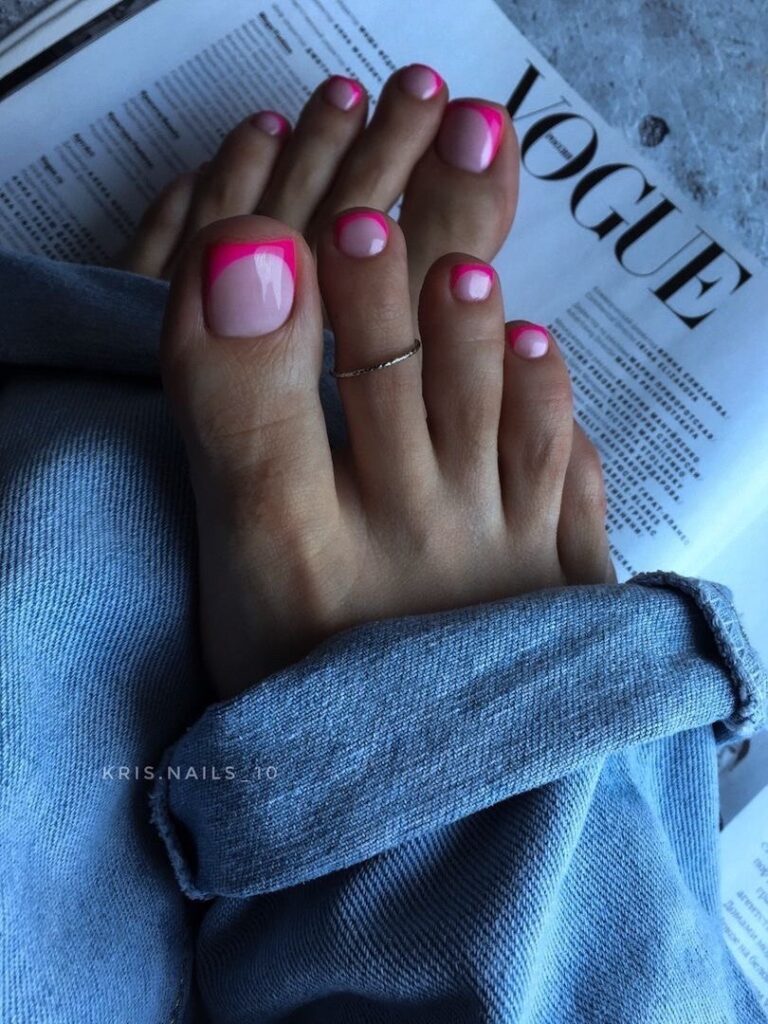
Try the Pink Jelly French Nail Trend for the Dreamiest Spring Manicure
A translucent twist on a classic we know by heart.
There is a specific kind of light that only seems to exist in the early hours of a spring morning. It is a pale, filtered glow that catches the mist rising from the garden and turns the world into a soft-focus watercolor. You might find yourself sitting on a porch, a warm mug between your palms, watching the way the sunlight moves through a glass of water, turning it into a prism of dancing, refracted shapes. It is a moment of pure, quiet translucency.
While you probably aren’t sitting in a dew-dampened garden right this second, you can certainly carry that sense of lightness and luminosity with you. It is a feeling that can be captured in a single, subtle detail: the way light interacts with your fingertips. You can achieve that same airy, sun-drenched quality through a manicure that prioritizes depth and light over heavy, solid pigment.
What Are Pink Jelly French Nails?
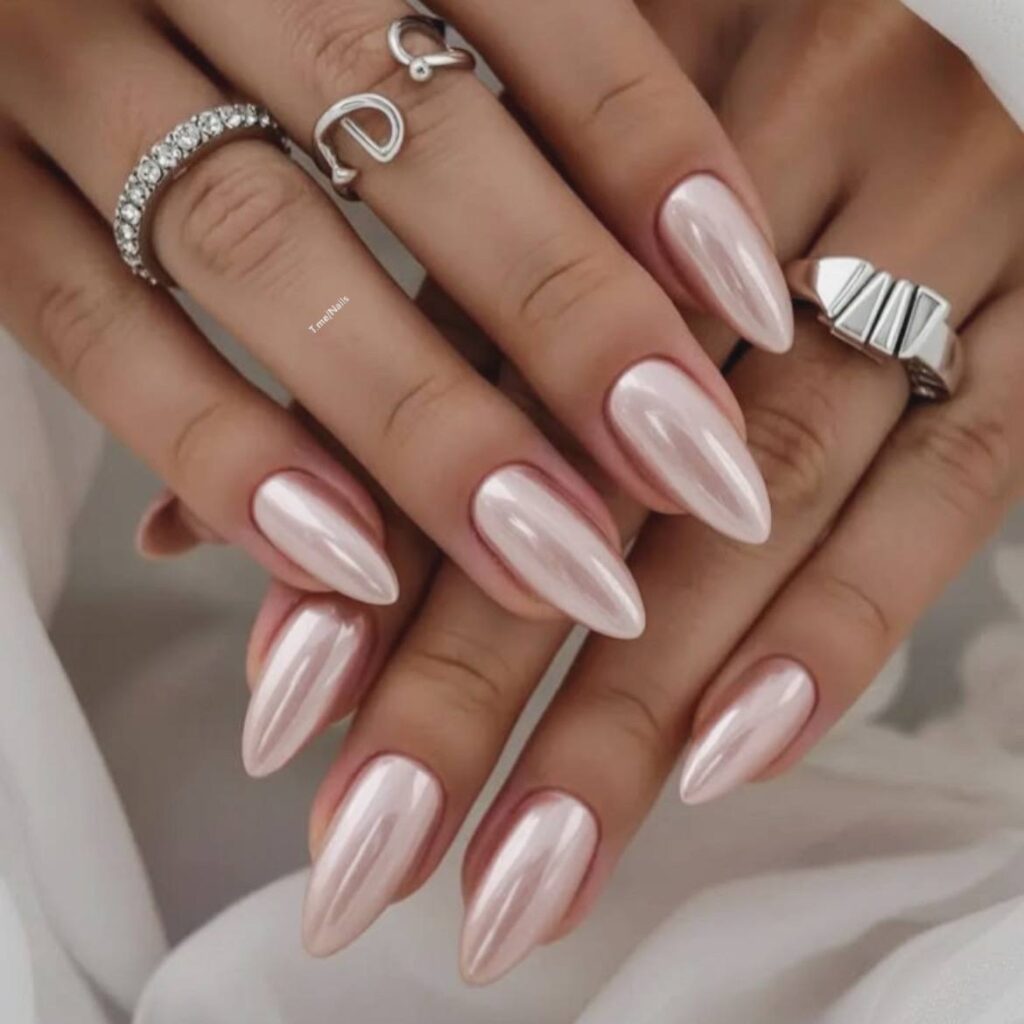
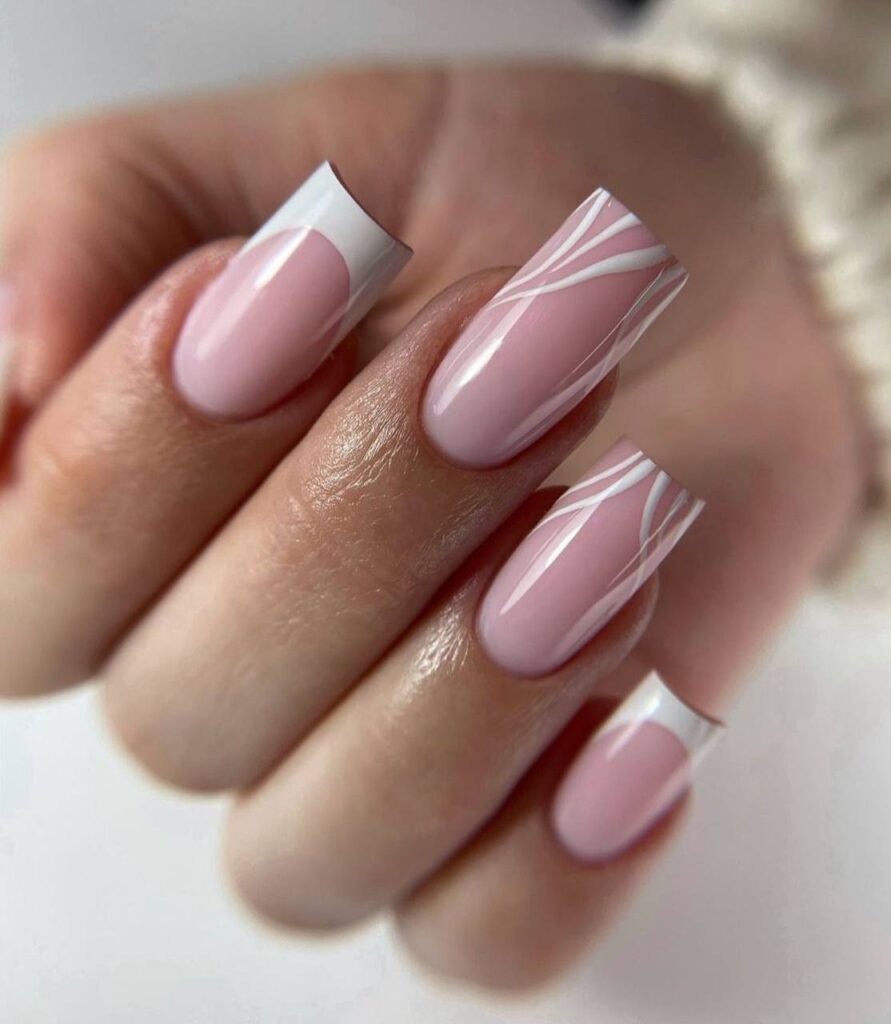
At its core, the pink jelly French manicure is a study in translucency and light refraction. Unlike a standard French manicure, which uses an opaque white or colored polish to create a distinct, hard boundary at the tip of the nail, this technique utilizes semi-sheer, jelly-textured pigments. These polishes are engineered to be see-through, much like a stained-glass window or a piece of colored sea glass. When applied, the pigment does not sit on top of the nail like a solid coat of paint; instead, it seems to meld with the base, allowing the underlying tones to influence the final hue. The result is a soft, luminous gradient where the pink appears to glow from within the nail rather than simply resting upon it, finished with a high-shine, liquid-like surface.
Behind the Trend
There is a subtle shift happening in how we approach color and texture. For a long time, the pendulum has swung toward a very structured, almost clinical minimalism—a style defined by sheer nudes, matte finishes, and a sense of strict, architectural precision. While there is beauty in that order, it can sometimes feel a bit heavy or even unapproachable. The rise of the pink jelly manicure signals a move toward something more fluid, emotive, and relaxed. It is a reaction against the rigid and the dense, favoring movement over stillness.
Where a traditional French manicure feels like a structured frame, the jelly version feels like a wash of color. It captures a sense of playfulness that isn’t quite childish, but certainly isn’t serious. It shares a lineage with the soft-focus photography of past decades and the translucent, dewy textures we see in seasonal skincare. It feels less like a heavy layer of lacquer and more like a natural tint, offering a way to wear vibrant color that remains breezy and unstudied. This trend resonates because it feels light—it feels like a breath of fresh air after a long season of darker tones and heavier, more opaque textures.
How to Get Pink Jelly French Nails
The process begins with creating a canvas that allows light to pass through rather than bouncing off a solid surface. You will want to start with a milky, semi-sheer base coat rather than a stark, opaque white. This milky layer acts as a soft backdrop, providing enough coverage to even out the natural color of your nail bed while maintaining a sense of depth. Once this layer is set, the real work begins with your color selection. Seek out a jelly-finish polish in a soft rose or a bright peony shade. Because these polishes are formulated to be translucent, they provide that characteristic “lit from within” glow that is central to the look.
When you begin applying the pink pigment to the tips, abandon the idea of a perfectly straight, sharp line. The most successful versions of this look feature a soft, diffused edge that looks almost as if it were painted with watercolors. Using a fine-tipped detail brush, sweep the color from the edge toward the center of the nail in very thin, light strokes. If the color appears too concentrated in one spot, take a clean brush dipped in a clear top coat and gently buff the edge of the pigment to blur the transition between the pink and the milky base. It is better to build the color through two or even three incredibly thin, translucent layers than to attempt to achieve the look with one heavy application. A thick coat will result in a flat, opaque finish that loses the magic of the jelly effect.
To finish, a high-gloss, glass-like top coat is non-negotiable. You are looking for a finish that is as smooth as possible; this extra layer of shine acts like a lens, magnifying the color and giving the manicure its signature three-dimensional quality. The shine is what truly bridges the gap between a simple color and a textured, light-catching manicure.
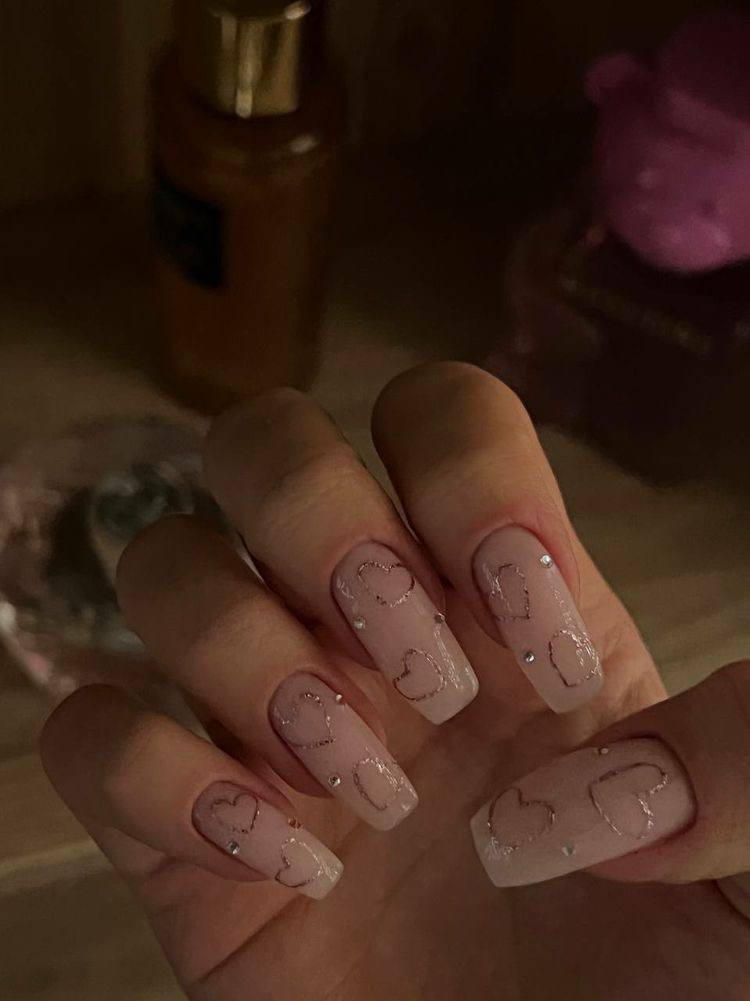
For those who want to lean into a more decorative aesthetic, try adding a touch of gold leaf or a very thin metallic line along the curve of the pink tip. This introduces a bit of texture and luxury, transforming the soft, watery look into something that feels a bit more intentional and polished for a late-spring evening out.