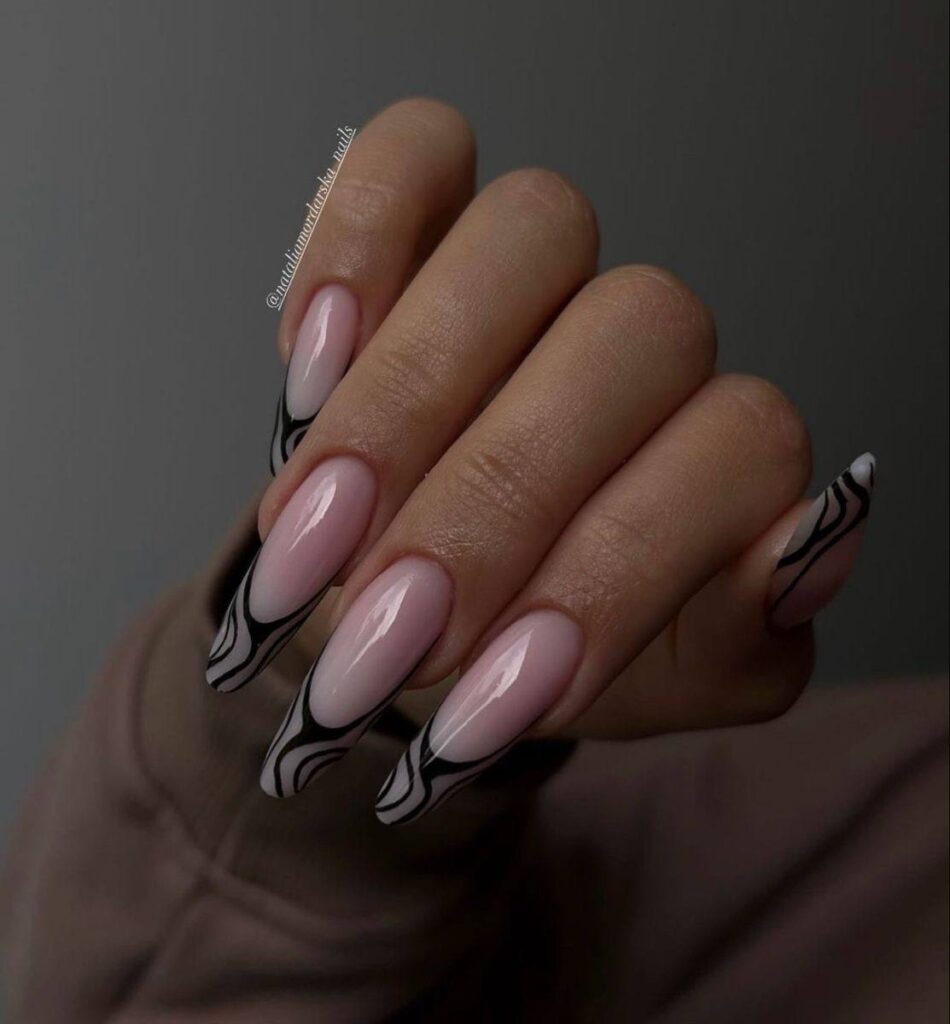
Try the Lavender Jelly Art Trend for the Dreamiest Spring Manicure
A soft, translucent look that carries you through the season.
The morning light feels different this time of year. It arrives not with the sharp, biting clarity of January, but with a diffused, pearlescent quality that seems to soften the edges of everything it touches. You might find yourself sitting by a window, watching the way the sun catches the dew on a lilac bush or how the pale purple of a spring sky bleeds into the horizon just before the clouds move in. There is a specific quietude in those colors—a sense of breathing more deeply, of things beginning to bloom again after a long, heavy dormancy.
While you may be currently navigating a busy commute or sitting at a desk rather than wandering through a garden, that sense of airy, light-filled calm is something you can carry with you. It is a feeling that translates surprisingly well to the small, intentional details of your daily life, starting with the way your hands move through the world.
The latest movement in nail artistry is leaning directly into this sense of translucency and light, moving away from the heavy, opaque finishes that dominated recent seasons. Instead of a solid wall of color, there is a shift toward something more diaphanous and fluid.
What Are Lavender Jelly Art Nails?
Lavender jelly art nails are defined by a high-shine, translucent base that mimics the appearance of colored glass or soft gelatin. Unlike standard cream polishes that provide full, opaque coverage, a jelly finish allows light to pass through the pigment, creating a sense of depth and dimension on the nail plate. This look is typically paired with abstract, fine-line art—usually in a darker, more saturated shade of purple or violet—that moves across the nail in organic, swirling patterns. The result is a manicure that feels layered and complex, yet remains visually light and ethereal.
Behind the Trend
This trend arrives as a natural counterpoint to the “latte nail” and the heavy, moody neutrals that felt so anchored to the colder months. While those styles were about warmth, weight, and a certain grounded minimalism, lavender jelly nails are about buoyancy and movement. They sit in a unique space between the strict “clean girl” aesthetic of sheer, milky whites and the more chaotic energy of maximalist nail art. It is a form of “micro-maximalism,” where the canvas remains soft and understated, but the hand-painted details provide a focal point of personality.
There is also a subtle nod to nostalgia here. The jelly finish recalls the playful, candy-colored aesthetics of the late nineties and early two-thousands, but the lavender palette and the sophisticated, abstract line work strip away the “bubblegum” connotations. It feels less like a costume and more like a watercolor painting brought to life on your fingertips. It captures that specific seasonal ritual of watching the world turn green and lavender again, offering a way to wear the changing landscape as a form of quiet, personal expression.
By playing with transparency, this trend also addresses a growing desire for nails that feel “skin-like” and integrated rather than applied. When you look down at your hands, the jelly finish doesn’t look like a heavy coat of paint; it looks like a luminous tint that enhances the natural shape of your nails.
How to Get Lavender Jelly Art Nails
To achieve this look, the most important component is a jelly-finish polish in a pale lavender or lilac shade. Because these polishes are sheer by design, the way you apply them dictates the final depth. You should aim for two or three very thin, even layers rather than one thick coat. Applying multiple thin layers allows the light to travel through the pigment more effectively, creating that coveted “glass” effect. If you find the color is too sheer after two coats, add a third, but be patient with the drying time between each layer to ensure a smooth, even surface.
Once your base is set and you have a consistent, translucent field of color, you will need a fine-liner brush and a highly pigmented gel or polish in a deeper shade, such as a rich plum or a dark violet. This contrast is what gives the manicure its structure. Rather than attempting perfect geometric shapes, allow your hand to move in fluid, sweeping motions. Think of the way ink moves through water; the lines should be thin, slightly irregular, and organic. You might try a single continuous swirl that travels from the cuticle to the tip, or perhaps a series of small, disconnected arcs that dance around the edges of the nail. The goal is to mimic the movement of nature rather than the precision of a machine.
The final step is perhaps the most critical for maintaining the illusion of depth: a high-gloss top coat. A gel-based top coat is particularly effective here because it provides a thick, protective layer that mimics the surface of a polished gemstone. As you apply it, work carefully to avoid any tiny bubbles, which can disrupt the clarity of the jelly base. A smooth, glass-like finish will pull the entire look together, making the abstract lines appear as though they are suspended inside the color itself.
If you want to add a bit of extra light to the look, you can try a seasonal twist by incorporating a tiny amount of silver micro-shimmer into your darker accent color. This creates a celestial, starlit effect that feels particularly appropriate as the evenings begin to lengthen, adding a hint of magic to an already ethereal manicure.