Try Lace Detail Nails for the Softest Spring Manicure
It is a texture you will want to touch all season.
There is a specific kind of quiet that exists in a sun-drenched breakfast nook on a Sunday morning. You are sitting there, the air is still cool, and you are wrapped in the weight of a heavy linen robe. You reach for a cup of tea, and your fingers brush against the edge of a vintage porcelain saucer—the kind with the tiny, irregular imperfections that tell you it was made by hand. The light catches the fine, webbed patterns of a lace tablecloth draped over the table, casting soft, interlocking shadows across your lap.
You aren’t currently sitting in a quiet nook with heirloom china, but you can bring that same sense of intricate, tactile delicacy to your fingertips. It is a way to carry a bit of that slow, intentional morning feeling with you, even when you are rushing through a Tuesday afternoon.
What Are Lace Detail Nails?
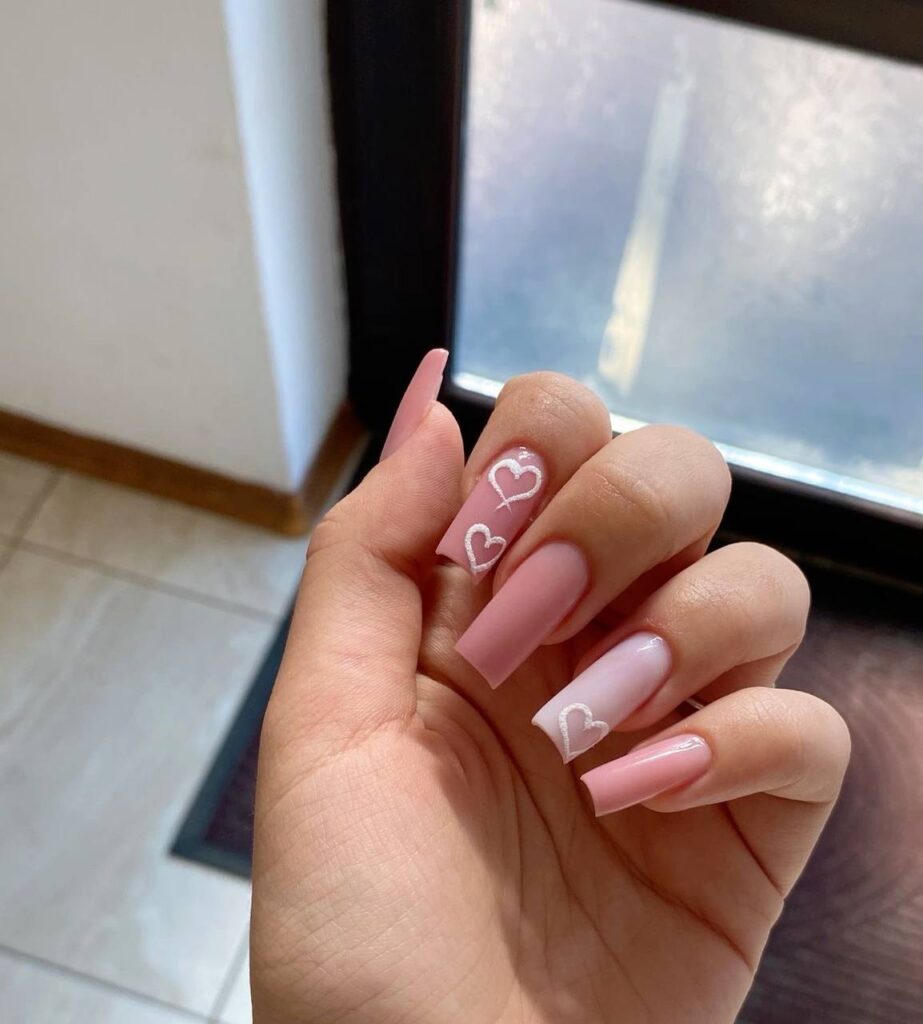
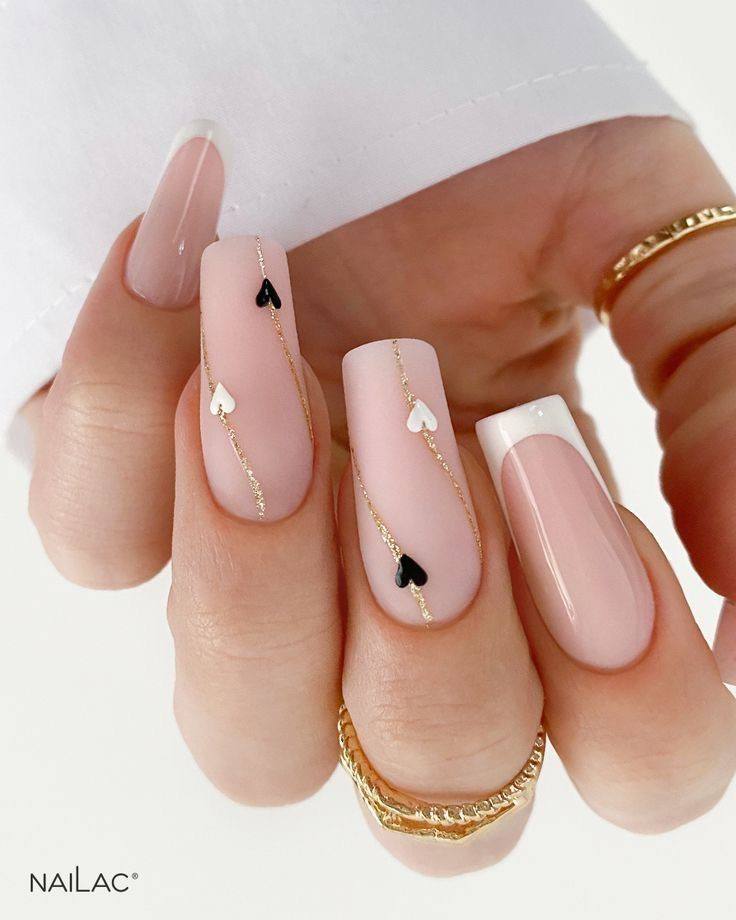
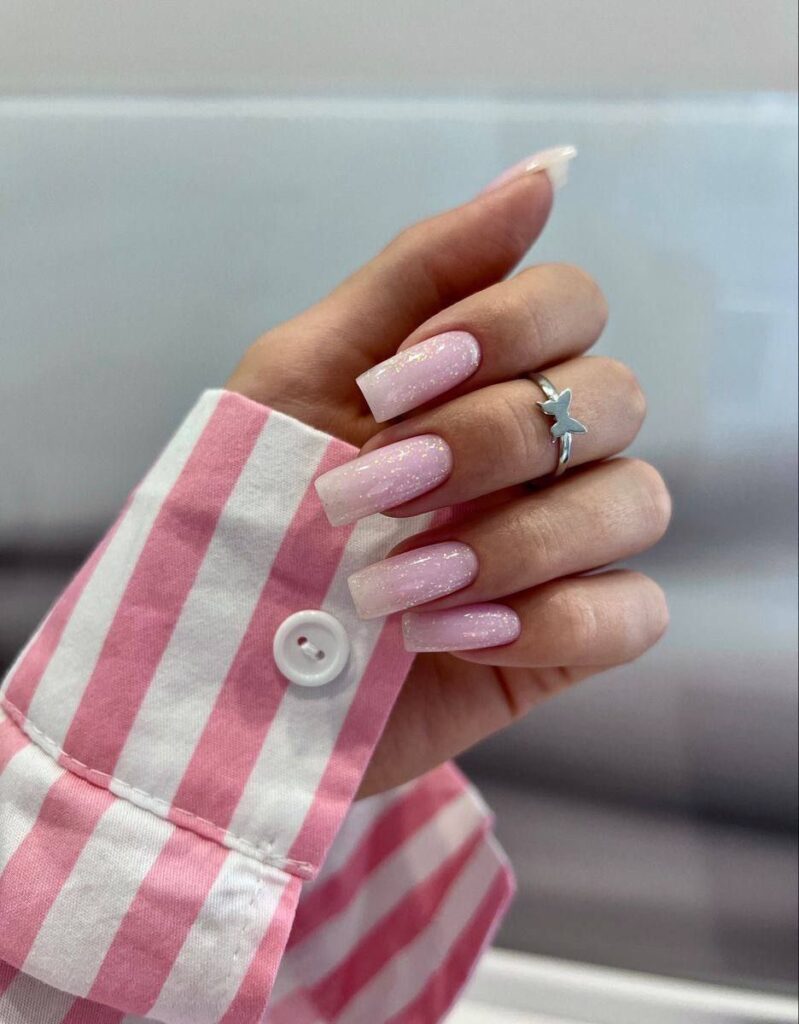
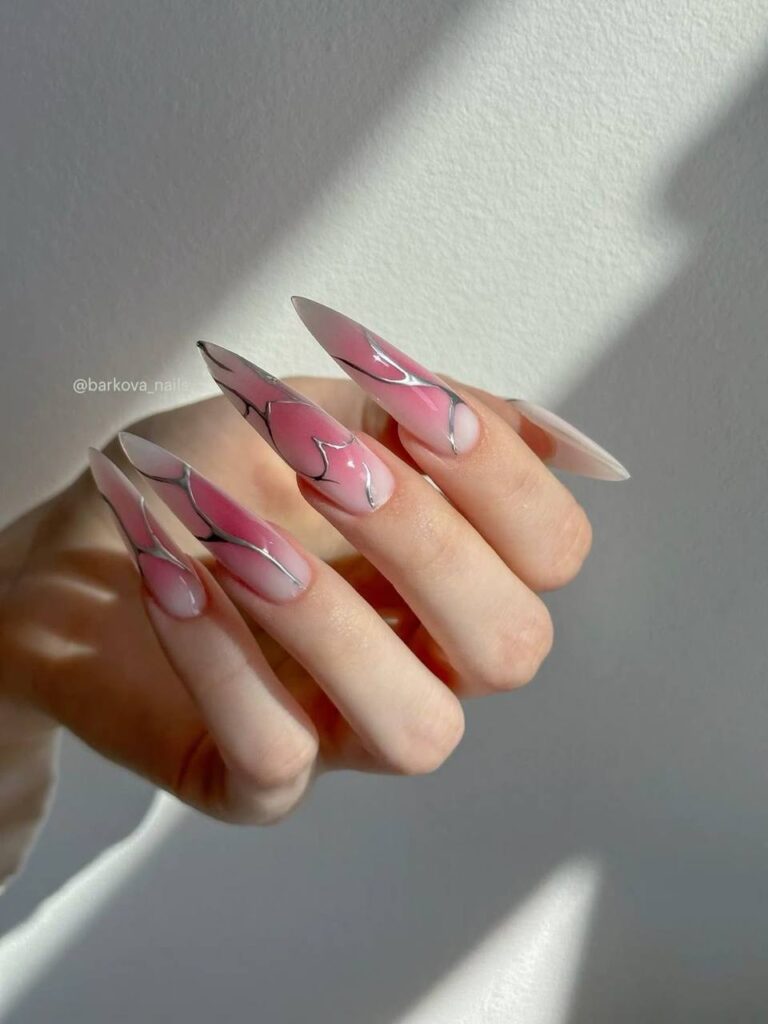
Lace detail nails consist of a semi-translucent, nude or pale pink base coat that allows the natural warmth of your nail bed to show through. Over this sheer foundation, a fine white pigment is applied in organic, non-geometric patterns. The result is a visual texture that mimics the look of fine lace, the delicate veining in marble, or the tiny cracks found in glazed porcelain. The lines are thin and irregular, avoiding the sharp precision of traditional French manicures in favor of something that looks more fluid and natural.
Behind the Trend
For much of the past year, the nail world has been captivated by the high-shine, monochromatic sheen of the “glazed” look. While that trend focused on a seamless, almost liquid-like reflection, lace detail nails represent a subtle shift toward visual texture and complexity. This movement moves away from the mirror-smooth finish and toward something that feels more artisanal and layered. It is a way to achieve a sense of detail without the heavy, three-dimensional charms or overwhelming glitter that defined previous maximalist eras.
This trend taps into a widespread cultural leaning toward “quiet luxury”—the idea that true sophistication lies in the details that are only visible upon closer inspection. There is also a strong element of nostalgia at play here. Much like the resurgence of vintage slip dresses and heirloom jewelry, these nails evoke a sense of the old-world and the handmade. It feels less like a modern chemical application and more like a piece of fine art, connecting the wearer to a sense of history and softness that feels grounding in a fast-paced digital age.
How to Get Lace Detail Nails
Achieving this look at home requires patience and a steady hand, but the process is deeply meditative if you approach it with intention. You will begin with a clean, well-buffed nail to ensure your base is smooth. The key to the “lace” effect is the transparency of the foundation. Instead of using a heavy, opaque cream polish, reach for a sheer jelly polish in a nude, petal pink, or a milky white. Applying two thin coats of a jelly-finish polish provides enough coverage to even out your nail bed while maintaining that essential sense of depth. If your base is too thick, the lace pattern will sit on top like a sticker rather than appearing to be part of the nail itself.
Once your base is dry, you will need a fine-liner detailing brush and a highly pigmented white nail art paint or a gel paint. Unlike standard polish, a paint or gel provides the control needed to create those tiny, irregular lines. To begin the pattern, do not attempt to draw perfect circles or symmetrical shapes. Instead, think of the movement of a vine or a spiderweb. Start by making a few small, wandering lines, then allow them to intersect and branch off. The beauty of this trend lies in the imperfection; if a line is slightly too thick or a shape is lopsided, it only adds to the organic, lace-like quality. If you find your hand shaking, rest your pinky finger against the table to create a stable anchor point.
After you have mapped out your pattern across all fingers, let the detail work set completely. To finish, apply a high-gloss top coat. This is a vital step because a thick, clear top coat mimics the protective glaze found on fine ceramics, pulling the entire design together and giving the white lines a dimension that looks as though they are suspended within the nail. Avoid matte top coats for this specific look, as they can make the pattern appear flat and chalky rather than delicate and luminous.
If you want to take this look a step further for an evening event, try incorporating a single drop of gold leaf or a tiny fleck of metallic pigment into the intersections of your white lines. It adds a hint of warmth that catches the light without breaking the soft, ethereal mood of the manicure.