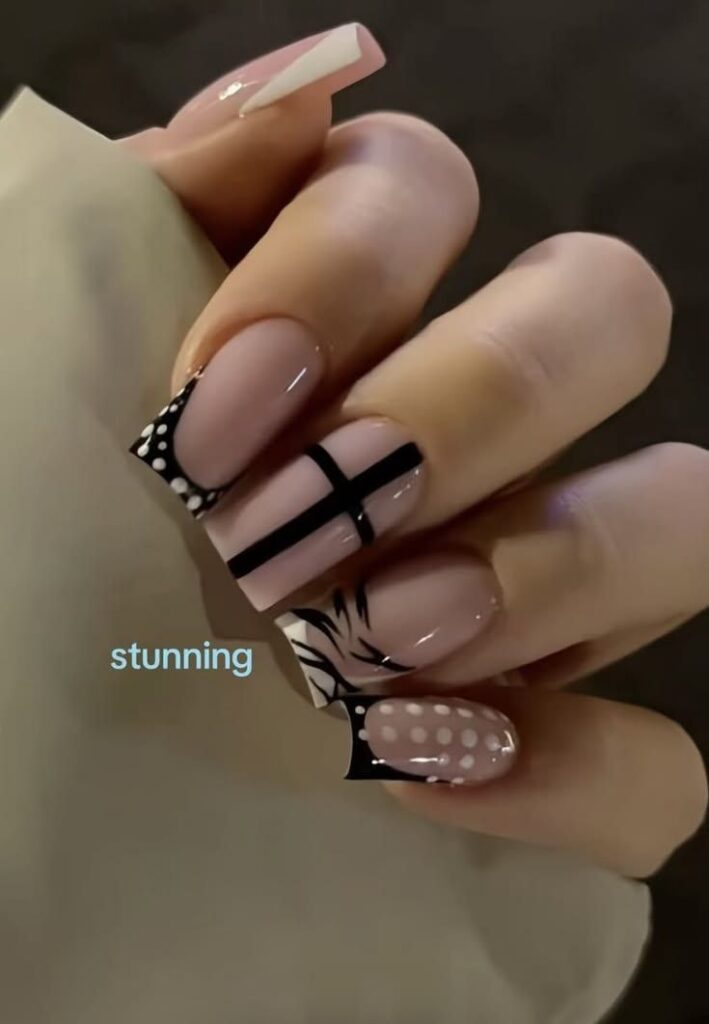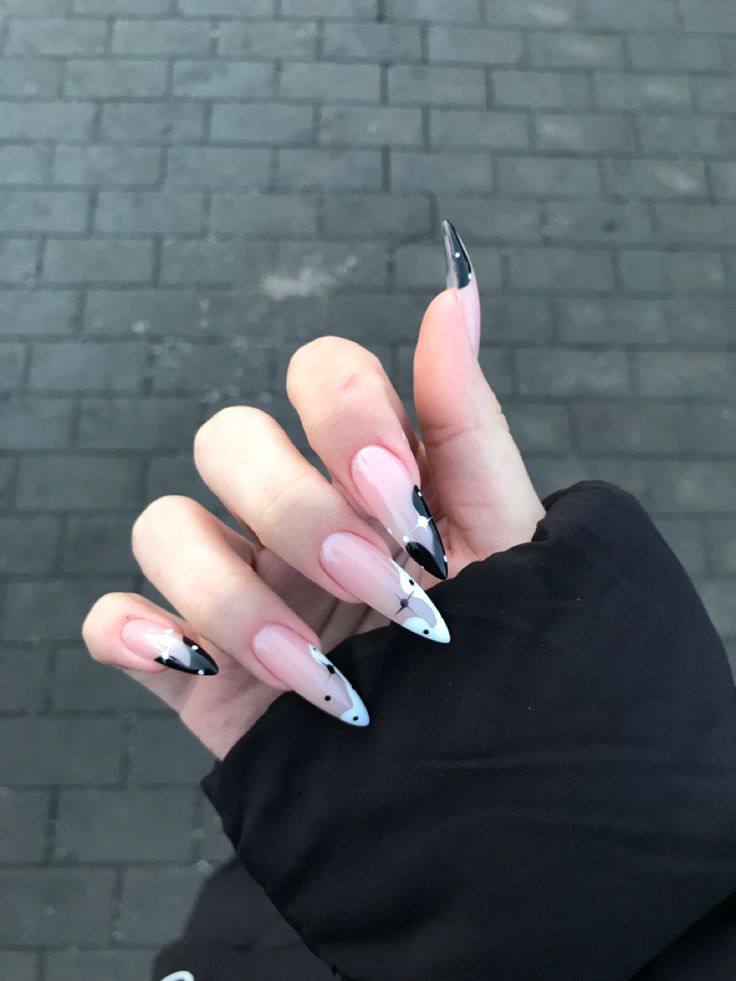
Try the Ink-Wash Nail Trend for the Atmospheric Fall Manicure
A moody, fluid look that feels like wearable art.
Imagine the specific, heavy stillness of a late October afternoon. You are tucked into a velvet armchair, the kind that feels slightly worn and infinitely comfortable. Outside, the light is turning a bruised, golden hue, filtering through trees that have already begun to shed their weight. There is the faint, rhythmic sound of rain tapping against the glass, a steady percussion that makes the warmth of your tea feel even more intentional. Everything is soft edges and deep, saturated shadows.
You likely aren’t currently ensconced in a library or a quiet corner of a café, but you can bring that exact sense of quiet, moody drama to your daily life. It starts with a manicure that feels less like a cosmetic choice and more like a personal atmosphere.
What Are Ink-Wash Nails?
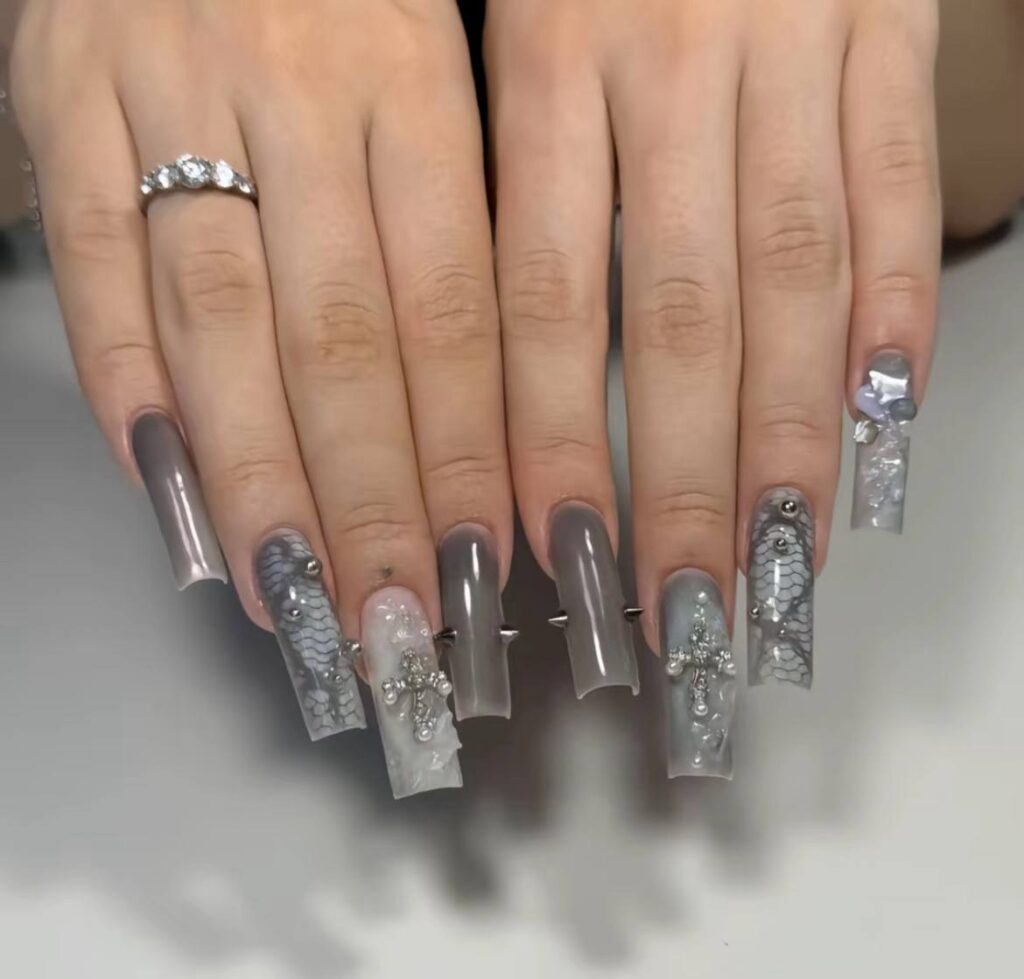
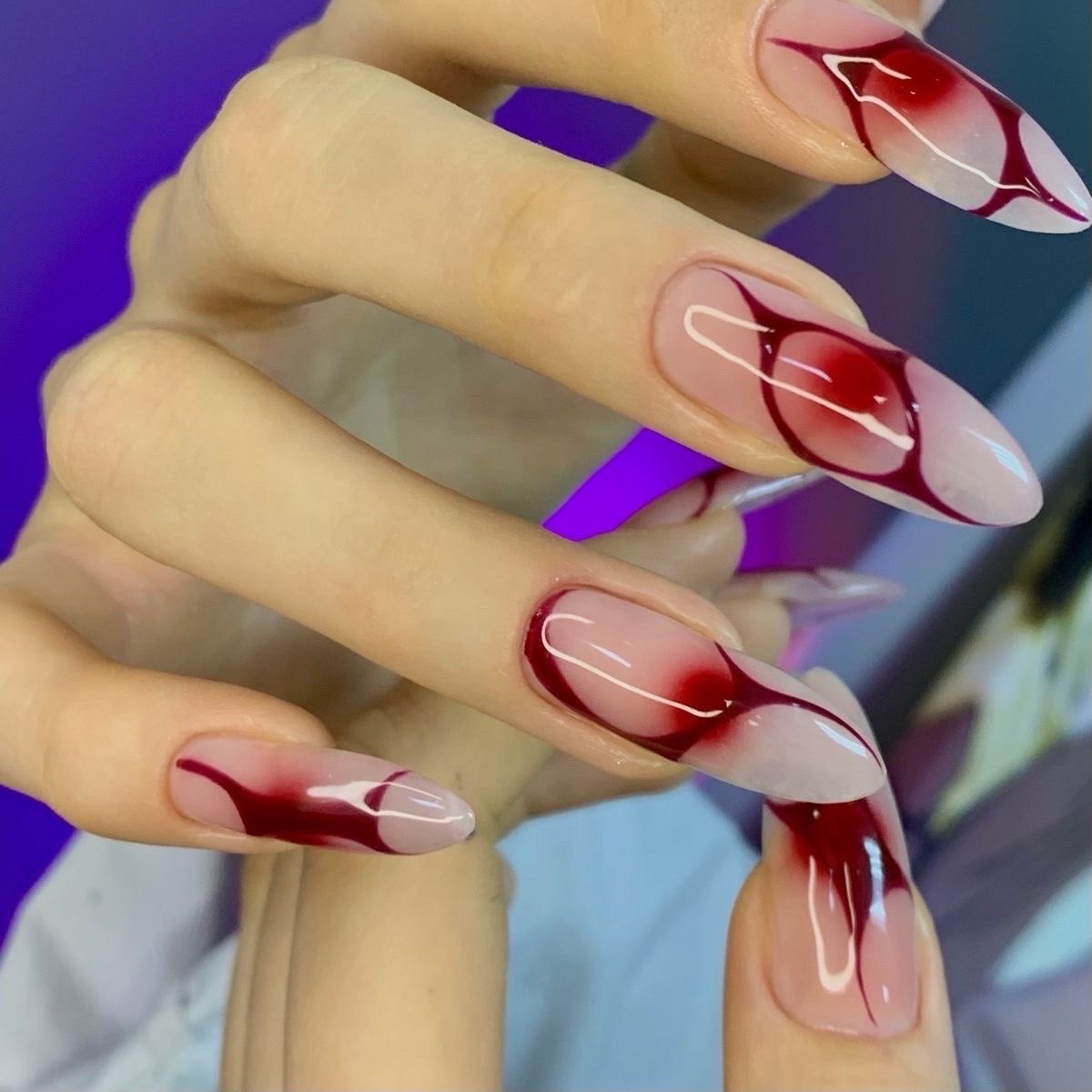
Ink-wash nails are characterized by a sense of fluid motion and controlled randomness. The technique relies on a translucent, milky base—think sheer peach, pale rose, or a semi-transparent nude—that mimics the look of clear water. Over this foundation, concentrated pigments in deep, saturated tones like oxblood, forest green, or navy are applied in organic, sweeping shapes. Rather than the sharp, defined edges of traditional nail art, these designs feature soft, feathered borders where the color appears to bleed or bloom into the base, creating a three-dimensional, liquid effect that catches the light.
Behind the Trend
This trend is emerging as a soulful response to the highly structured, almost clinical precision of recent years. For a long time, the clean aesthetic dominated, prioritizing perfectly manicured, sheer-but-uniform nails and rigid, minimalist lines. While there is a place for that crispness, there is a growing desire for something that feels more human and expressive. Ink-wash nails sit in a beautiful middle ground between minimalism and maximalism. They aren’t cluttered with charms or heavy rhinestones, yet they possess a depth and personality that a simple solid color cannot achieve.
There is also a strong element of nostalgia at play here. The movement of the pigment evokes the feeling of watching watercolor paints swirl in a jar or seeing ink bloom on a heavy sheet of parchment. It feels artisanal, almost as if each nail were a tiny, individual canvas. As the seasons shift and we move toward the more introspective, darker months of the year, this preference for rich, moody, and slightly unpredictable patterns feels instinctively right. It mirrors the way the natural world begins to soften and blur as the year draws to a close.
How to Get Ink-Wash Nails
Achieving this look requires a focus on layering and patience rather than sheer speed. Begin by ensuring your nails are prepped and shaped; an almond or slightly tapered stiletto shape works best to provide the necessary length for the fluid designs to travel across the nail bed. Your first step is to apply a sheer, semi-transparent base coat. A milky, translucent nude or a very pale pink is ideal, as this provides the water for your ink to dance in. This base layer should be applied in thin, even coats to ensure the natural nail is still faintly visible beneath, which creates the illusion of depth.
Once your base is set, you will need a highly pigmented liquid gel or a specialized painting polish in a deep, jewel-toned color. A dark burgundy or a rich crimson is the classic choice for fall. Instead of attempting to draw a specific shape, use a very fine-tipped detail brush to place small, concentrated dots of color onto different parts of the nail. While the pigment is still wet, use the brush to gently pull and swirl the color outward. You want to move with a light hand, letting the pigment bloom into soft, feathered edges rather than forcing it into a hard line.
A key editorial tip for a professional result is that two thin layers of color will read more true-to-trend than one thick, heavy application. If you find the pigment is becoming too opaque or losing its wash quality, you can use a clean brush dipped in a tiny amount of clear top coat to soften the boundaries where the color meets the base. Finally, the look is completed with a generous application of a high-shine, long-wear top coat. This final layer is essential, as it smooths out any texture from the painting process and provides that glass-like finish that makes the swirling colors appear as though they are suspended in liquid.
If you want to experiment further, consider a monochromatic approach by using two different shades of the same color family—perhaps a deep plum and a slightly lighter berry—to create a more layered, atmospheric effect. Alternatively, a single, tiny streak of gold leaf tucked into one of the swirls can add a touch of unexpected light to an otherwise moody palette.