Try the Frosted Glaze Nail Trend for the Crispest Winter Manicure
A chilly aesthetic we’ll be wearing until the first thaw.
The air has turned sharp, the kind of cold that makes your lungs feel wide open and turns your breath into a momentary cloud of white. You are walking through a neighborhood where the streetlights have just flickered on, casting a pale glow over lawns that have been dusted in a fine, silver rime. There is a stillness to the world, a quiet hush that settles in when the temperature drops just enough to turn the dew into ice crystals, clinging to every blade of grass and every dormant branch of the oak trees.
You are likely tucked away inside with a heavy knit blanket and a warm drink rather than wandering through a frozen meadow, but you can still capture that specific, crystalline energy. The look is less about a costume and more about a mood, and you can translate that frozen stillness directly onto your fingertips with a manicure.
What Are Frosted Glaze Nails?
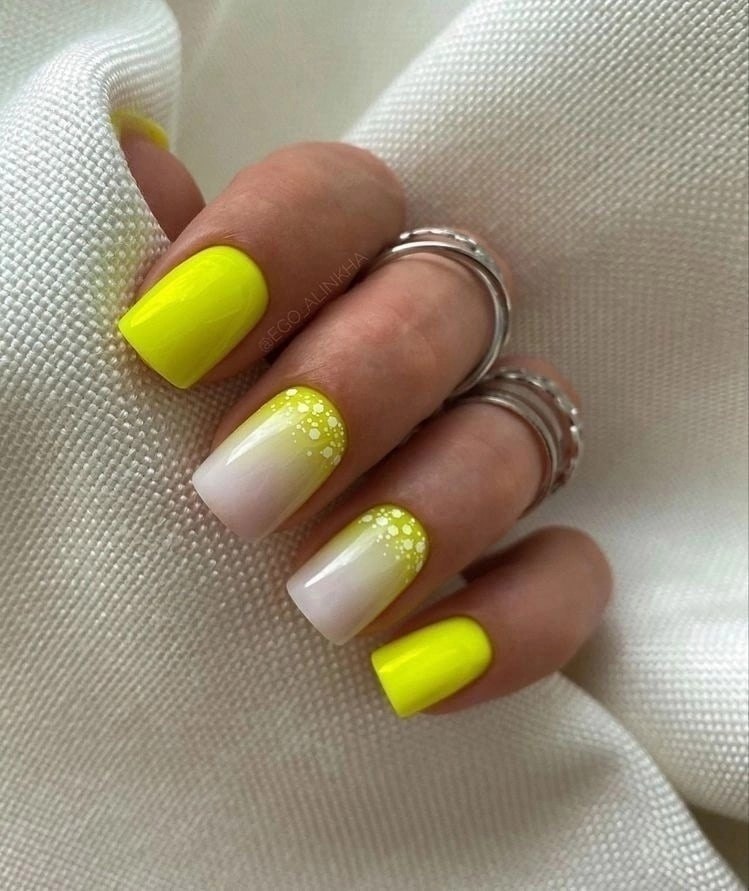
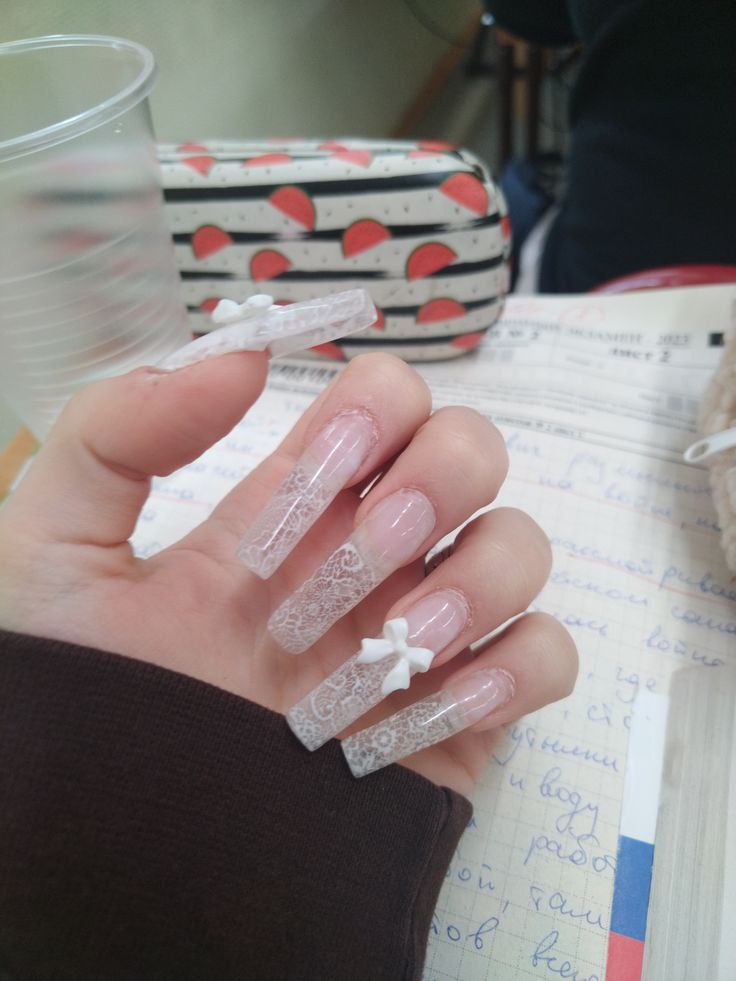
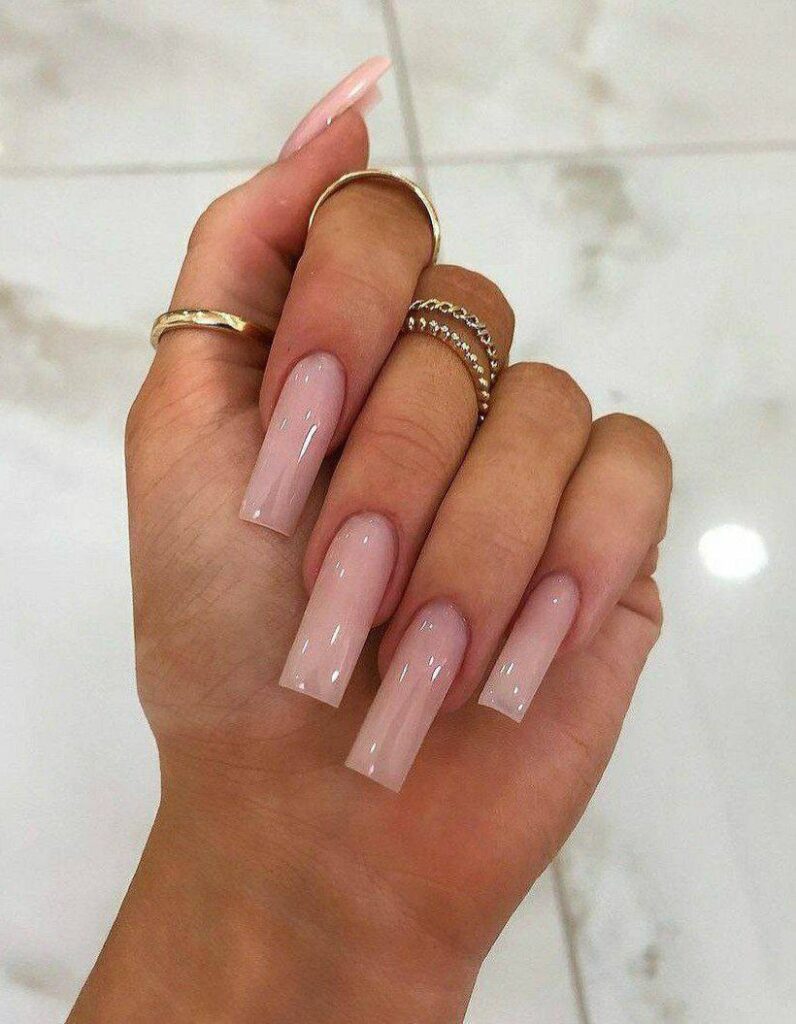
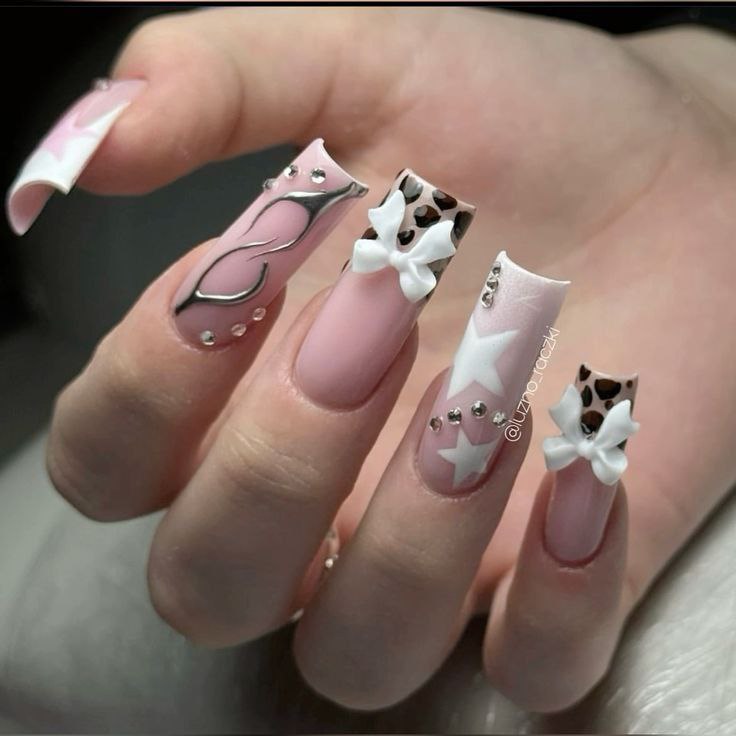
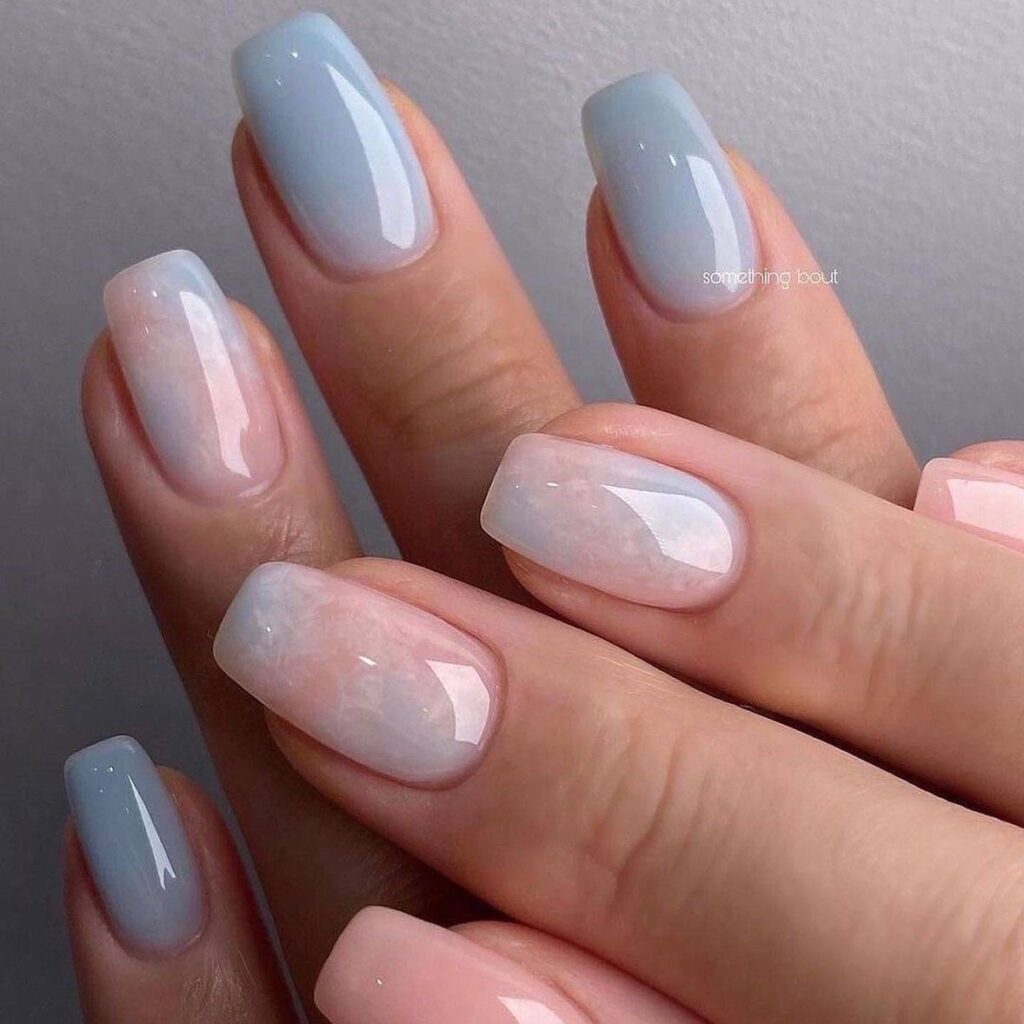
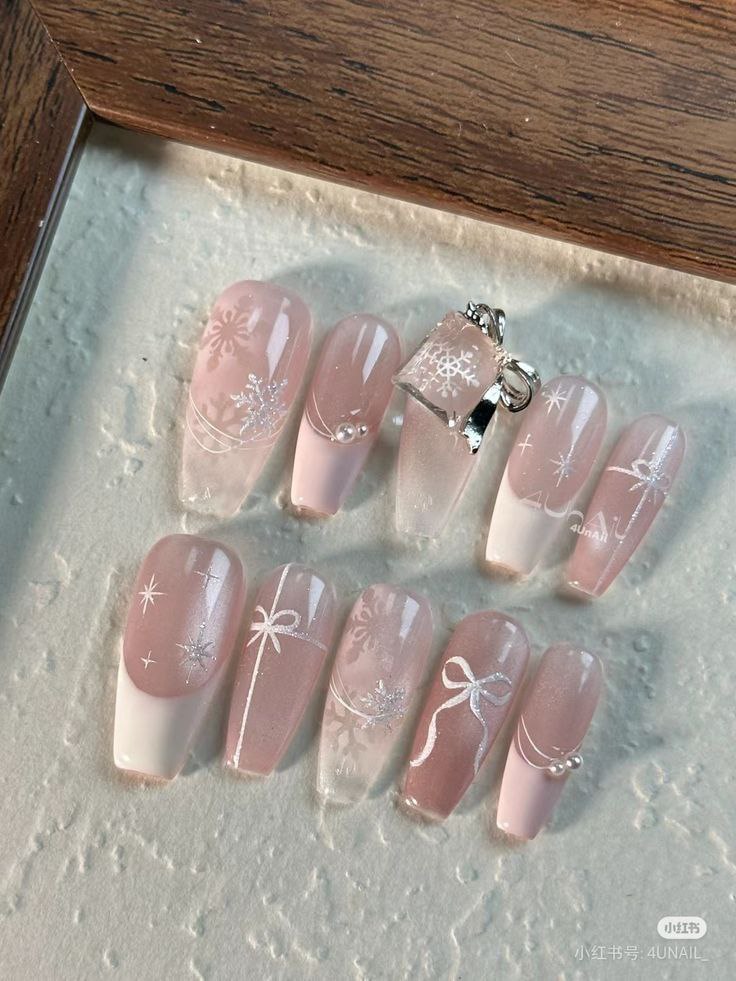
Frosted glaze nails are defined by a semi-translucent, milky base topped with a reflective, iridescent finish. Unlike a traditional opaque polish, this look utilizes a jelly-like transparency that allows some of the natural nail bed to peek through, creating a sense of depth. The finish is a fine-milled shimmer, often achieved through a rubbing powder, which gives the nail a glass-like or pearlescent sheen. The result is a surface that looks less like paint and more like a thin layer of ice or a polished seashell, often accented with stark white lines or soft, clouded gradients.
Behind the Trend
This look arrives as a soft pivot from the high-shine, almost metallic chrome trends of the previous year. While the earlier iterations of glazed nails were about a bold, futuristic glow, the frosted version is more muted and organic. It reflects a broader shift toward a quieter beauty aesthetic, moving away from heavy pigments and toward luminosity and light. In a season where many gravitate toward deep espressos, moody oxbloods, or heavy blacks, frosted glaze offers a breathable alternative that feels light even in the darkest months of the year.
There is an inherent nostalgia to the color palette, reminiscent of the window frost patterns you might have traced with a finger as a child. It captures a feeling of purity and stillness that matches the winter solstice. By combining the clean lines of a classic French manicure with the ethereal quality of an iridescent finish, the trend bridges the gap between a professional, polished look and something more imaginative and airy.
How to Get Frosted Glaze Nails
To achieve this look, you start with a base from the jelly polish category. These polishes are formulated to be sheer rather than opaque, which is essential for creating that aqueous, ice-like depth. Choose a soft milky white or a very pale, cool-toned pink. Applying two thin coats reads more true-to-trend than three going for full opacity, as the goal is to keep the nail looking translucent and light.
Once the base is set, the characteristic glow is added using an iridescent chrome powder. Using a small applicator or a sponge, you rub the fine powder into the surface of the nail. The friction creates a seamless, mirror-like veil that catches the light without looking like chunky glitter. This step is what transforms a simple milky manicure into a frosted one, giving the nails a reflective quality that mimics the surface of a frozen pond.
For those who want a more structured look, a crisp white polish is used to create a thin French tip or a delicate curved line across the nail. This provides a sharp contrast to the softness of the glaze and anchors the design. The key is to keep these lines thin and precise to maintain the airy feel of the overall aesthetic. Finally, a high-shine top coat is applied to seal the powder and create a smooth, glass-like finish that protects the iridescent layer from wearing down.
If you are working from home, you can mimic this effect by layering a sheer, iridescent polish over a milky white crème, though the rubbing powder method provides the most seamless, seamless transition of light. Regardless of the method, focusing on thin, buildable layers prevents the manicure from looking heavy or artificial.
To take the look a step further, you can introduce a magnetic gel polish in a pale silver. When a magnet is held over the wet polish, it pulls the metallic particles into a shimmering line or a cat-eye effect, adding a three-dimensional quality that looks like a shard of ice trapped beneath the surface of the nail.