Try the Butter Yellow Nail Trend for the Sunniest Spring Manicure
A creamy classic we’ll be wearing all season.
You are sitting at a small, round bistro table on a Tuesday morning in April. The air still carries a sharp, cool edge, but the sun is finally doing the heavy lifting, warming the back of your neck while you wait for your coffee. On the table sits a thick slice of toasted sourdough, topped with a generous, melting slab of salted butter that glows a pale, rich gold in the natural light. There is a quietness to the moment, a softness in the way the light hits the white linen napkin and the pale yellow petals of a nearby vase of primroses.
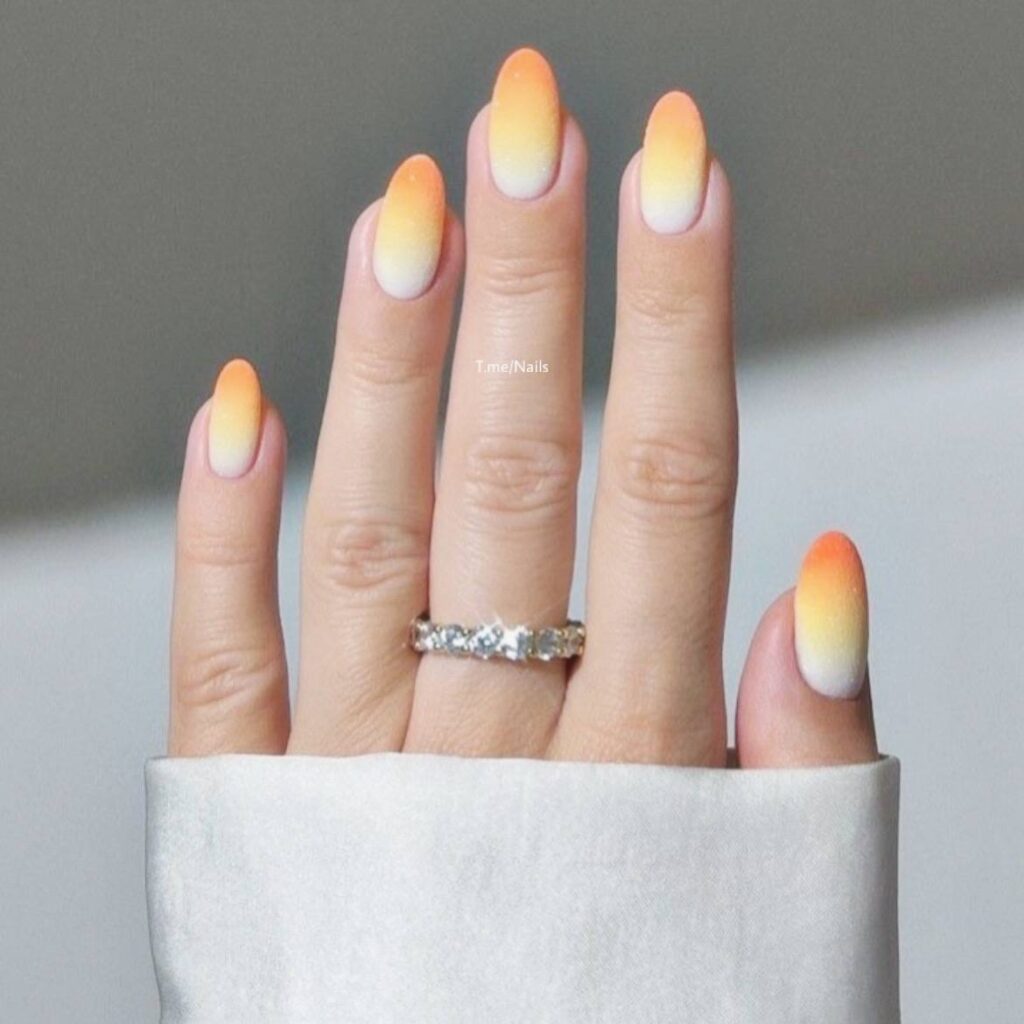
You might not be spending your morning at a sidewalk cafe, but you can carry that same sense of light and warmth with you throughout the day. That particular, creamy hue—somewhere between a pale custard and a soft primrose—has migrated from the breakfast table to the nail salon, creating a look that feels optimistic without being loud.
What Are Butter Yellow Nails?
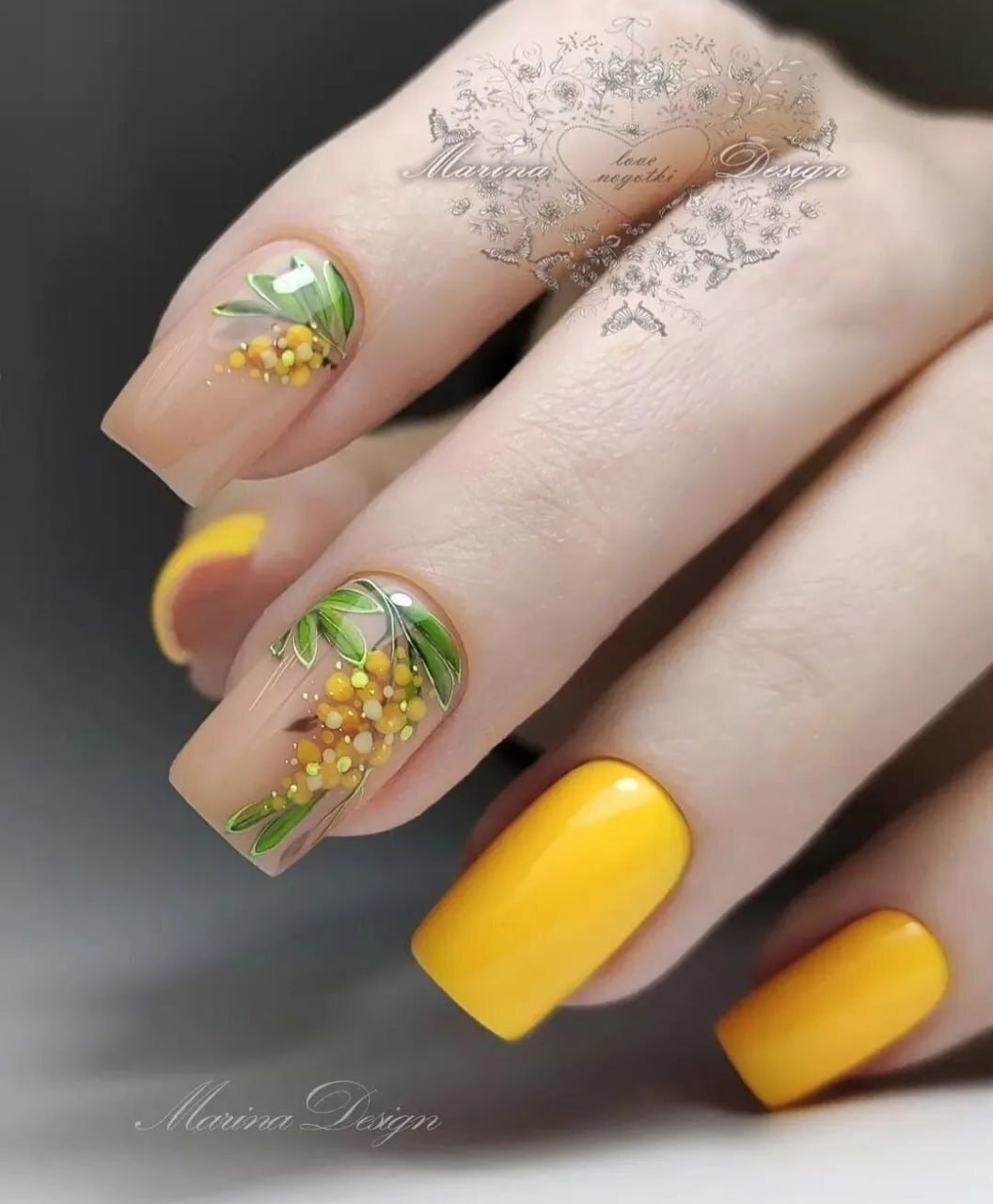
Butter yellow nails are defined by a specific, muted saturation. Unlike the neon yellows of high summer or the sheer, milky tints of winter, this trend focuses on a creamy, opaque finish with warm, buttery undertones. The texture is smooth and dense, appearing almost like a liquid satin when finished with a high-gloss top coat. It is a solid color application that avoids glitter or shimmer, relying entirely on the richness of the pigment to create a clean, monochromatic look across the fingertips.
Behind the Trend
This shift toward a soft yellow marks a departure from the hyper-minimalist era of sheer pinks and “your nails but better” aesthetics. While the clean-girl look focused on invisibility, butter yellow is about a quiet, intentional presence. It offers a middle ground for those who find traditional nudes too boring but find bright primaries too jarring for a professional or polished setting. It provides a pop of color that functions almost as a neutral, pairing easily with the linens, whites, and denim that dominate a spring wardrobe.
There is also a certain nostalgia woven into the color. For many, this specific shade evokes memories of childhood spring rituals, like the first sightings of daffodils or the pale yellow dresses worn for family photographs. Compared to the metallic chrome finishes that dominated the previous year, butter yellow feels grounded and organic. It trades the futuristic, high-contrast energy of silver and pearl for something that feels human, warm, and approachable, echoing a broader desire for softness in our daily routines.
How to Get Butter Yellow Nails
Achieving this look begins with a meticulously prepared nail bed, as the opacity of yellow pigment can highlight any unevenness in the nail surface. Start by pushing back your cuticles and lightly buffing the nail plate to create a smooth canvas. Apply a clear base coat first; this is a non-negotiable step for yellow polish, as high-pigment yellows can sometimes stain the natural nail if applied directly.
For the color, you will need a creamy yellow lacquer. When selecting your shade, look for a formula described as a cream or a solid pigment rather than a sheer or a jelly. The goal is a dense, buttery appearance that hides the natural nail completely. Begin by applying a thin, even layer of the yellow polish, starting from the center of the nail and sweeping toward the edges. Yellow pigments are notoriously prone to streaking, so avoid the temptation to apply one thick coat to get full coverage. Two thin coats read more true-to-trend than one thick layer, which can bubble or fail to dry properly.
Once the first coat has set for a few minutes, apply a second thin layer to erase any remaining translucency and build the richness of the color. To ensure the edges are crisp, use a small brush dipped in acetone to clean up any overflow along the cuticle line. The final step is the application of a high-gloss top coat. This specific category of finish is what transforms the polish from a simple yellow to a “butter” look, adding a reflective, glass-like depth that mimics the glow of sunlight on a smooth surface. Allow the top coat to cure fully before engaging in any activity, as the density of the cream pigment can take slightly longer to set than a sheer tint.
If you want to take this look a step further, consider adding a contrasting detail for a more tailored finish. A very thin, crisp white line painted along the tip of the nail—a modified French manicure—adds a modern, graphic element that keeps the yellow feeling fresh. Alternatively, adding a single, tiny white dot at the base of each nail can give the manicure a playful, artisanal quality that feels perfectly suited for a weekend spent in a garden.