Try the Butter Yellow Nail Trend for the Sunniest Spring Manicure
A soft, creamy hue we’ll be wearing all season.
The air is just beginning to lose its winter bite, and the morning light filters through sheer curtains, casting long, pale gold rectangles across a wooden breakfast table. You are wearing a heavy linen robe, holding a ceramic mug of tea, and watching the way the first primroses of the year lean toward the sun in the garden. There is a specific, quiet stillness to this time of year, a feeling of anticipation that smells like damp earth, fresh rain, and sliced citrus.
You probably aren’t spending your Tuesday morning in a countryside cottage, but you can bring that same soft, optimistic energy to your fingertips with a manicure. This particular shade of yellow captures the exact moment the world begins to wake up, offering a sense of warmth and lightness that mirrors the changing season.
What Are Butter Yellow Nails?
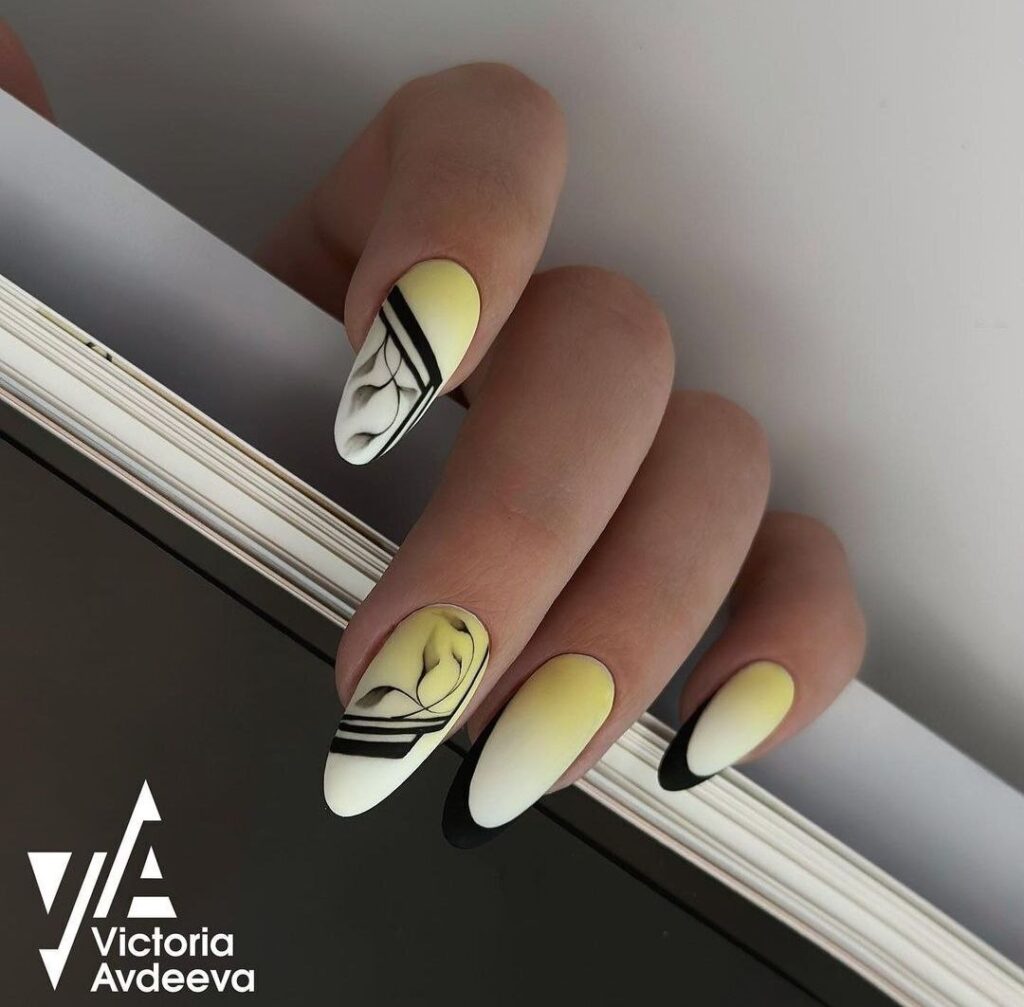
Butter yellow is a desaturated, creamy shade that sits precisely between a pale pastel and a vivid primary yellow. Unlike the sharp, acidic tones of neon or the sheer, translucent look of a jelly polish, this finish is opaque and smooth, mimicking the richness of salted butter or a heavy silk ribbon. It is characterized by a dense pigment that provides full coverage without appearing chalky, usually finished with a high-gloss top coat that gives the nails a polished, porcelain-like appearance.
Behind the Trend
The shift toward this hue marks a natural transition from the stark, cool neutrals that dominated the previous few seasons. While milky whites and sheer beiges provided a sense of minimalism and precision, butter yellow introduces a subtle, human warmth. It offers a middle ground between the loud boldness of a deep cherry red and the nearly invisible nature of a nude manicure. It is a color that feels intentional but not aggressive, allowing it to pair easily with a wide variety of spring wardrobes, from crisp white linens to floral prints.
There is also a nostalgic pull to this color palette. It evokes memories of vintage kitchen linens, old-fashioned lemonade, and the uncomplicated joy of early childhood summers. In a landscape of nail art that often swings between extreme minimalism and complex, maximalist designs, butter yellow feels like a breath of fresh air. It provides a pop of color that remains refined, catering to a desire for optimism and brightness after a long, grey winter without feeling like a costume.
How to Get Butter Yellow Nails
Achieving this look requires a focus on smoothness and opacity to ensure the color looks creamy rather than streaky. Start with a clean slate by gently pushing back your cuticles and shaping your nails into a soft oval or a tapered almond, which complements the fluidity of the color. Begin with a high-quality base coat. This is a non-negotiable step for yellow pigments, as they can occasionally stain the natural nail plate if applied directly.
For the color, select a cream-finish polish in a pale, warm yellow. To get that signature buttery look, apply the polish in thin, controlled layers. Two thin coats read more true-to-trend than three thick layers, which can lead to bubbling or a heavy, imprecise finish. Use long, sweeping strokes from the base of the nail toward the tip, ensuring you cap the free edge of the nail to prevent premature chipping.
Once the color has set, the finish is what defines the mood. A high-shine, quick-dry top coat is the standard choice here, as it creates a glass-like surface that makes the yellow appear more luminous. If you find that the color is too bright for your skin tone, you can slightly mute the intensity by applying a sheer, milky-white top coat over one layer of yellow before adding the final clear gloss.
The final touch is hydration. Because the opacity of butter yellow draws a lot of attention to the surrounding skin, applying a lightweight cuticle oil after the polish has fully cured ensures the look remains polished and clean. This prevents any dry patches from distracting from the seamless, creamy application of the color.
If you want to push the look further, try a subtle variation by adding a micro-French tip. Use a slightly deeper gold or a crisp white to create a hairline-thin border at the very edge of the nail. This adds a graphic element to the manicure while maintaining the softness of the primary color, making it a sophisticated choice for those who want a bit more detail without sacrificing the overall lightness of the trend.