Try the Butter Yellow Nail Trend for the Brightest Spring Manicure
We’ll be wearing it all season.
You are leaning against a cool marble countertop as the first real warmth of April filters through the kitchen window. On the table sits a ceramic bowl of lemons and a plate of sourdough toast, the salted butter melting into the golden crevices of the bread. The smell of fresh coffee mingles with the scent of rain-dampened earth drifting in from the garden, and for a moment, the world feels quiet. You can feel the soft texture of a linen robe against your skin and the slow, steady rhythm of a morning that has no deadline.
You might actually be sitting in a taxi on your way to the office or scrolling through your phone during a mid-afternoon break in a high-rise, but that feeling of lightness is something you can carry with you. You do not need a cottage in the countryside to evoke that specific, sun-drenched serenity. Instead, you can translate that atmosphere into your beauty routine, starting with a shift in your manicure that mirrors the soft, optimistic glow of the season.
What Are Butter Yellow Nails?
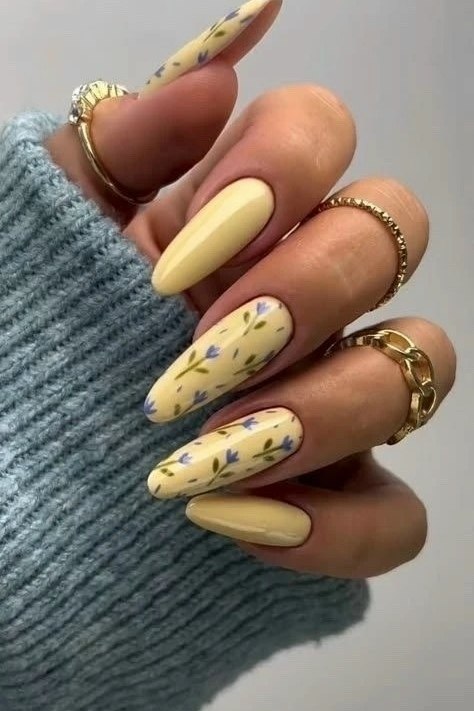
Butter yellow nails are characterized by a creamy, pale yellow hue that sits precisely between a pastel and a neutral. Unlike the jarring brightness of neon yellow or the heavy, earthy depth of mustard, this shade is soft and desaturated. The finish is typically a high-gloss cream, providing a smooth, opaque appearance that mimics the saturated tone of churned butter. It is a color that feels substantial yet airy, offering a clean look that provides more visual interest than a standard nude without demanding the attention of a bold primary color.
Behind the Trend
The rise of butter yellow is a gentle pivot away from the stark, minimalist neutrals that defined the previous few years. For a long time, the trend leaned heavily toward sheer pinks and milky whites—the hallmarks of a polished, understated aesthetic. While those looks remain a staple, there is a growing desire for a subtle injection of color that feels cheerful rather than aggressive. Butter yellow fills this gap, acting as a bridge between the quiet luxury of neutrals and the high-energy palette of dopamine dressing.
When compared to the iridescent chromes and deep, moody velvets of winter, butter yellow feels like a collective exhale. It is a color rooted in a specific kind of nostalgia, evoking memories of yellow gingham tablecloths, childhood sundresses, and the slow pace of long-forgotten school holidays. It resonates now because it suggests a return to simplicity and a slower way of living, even in the middle of a busy city.
Beyond the emotional appeal, the shade is remarkably versatile across different skin tones. On cooler complexions, the creaminess of the yellow provides a soft contrast that looks crisp and fresh. On warmer or deeper skin tones, the color blends harmoniously, enhancing the natural golden undertones of the skin. This inclusivity makes it a practical choice for anyone looking to transition their wardrobe from the heavy fabrics of February to the breathable linens and light denim of May.
How to Get Butter Yellow Nails
Achieving this look requires a focus on smoothness and opacity to ensure the color looks like a rich cream rather than a streaky paint. Begin with a thorough nail preparation, pushing back the cuticles and gently buffing the nail surface to create a flat canvas. Apply a clear base coat first; this is a non-negotiable step with yellow pigments, as it prevents the color from staining the natural nail bed and provides a tacky surface for the color to grip.
Select a cream-based polish in a soft primrose or pale gold shade. When applying the color, use the three-stroke method: one stripe down the center of the nail and one on each side. Two thin coats read more true-to-trend than three going for full opacity, as the goal is a fluid, buttery consistency rather than a thick, cakey layer. Be sure to cap the free edge of the nail by running the brush horizontally along the tip, which seals the polish and prevents the premature chipping that often plagues lighter colors.
Allow the second coat to dry completely before applying the final touch. To achieve the signature look, use a high-shine top coat. This specific category of finish is essential because it adds depth and a reflective quality that makes the yellow appear luminous. A matte finish would make the color look more like a traditional pastel, whereas a high-gloss seal gives it that liquid, polished appearance that defines the trend. Finish the process with a drop of cuticle oil to keep the surrounding skin hydrated, which ensures the bright color looks intentional and refined.
For those who want to push the look a step further, try adding a sheer pearlescent chrome powder over the dried yellow polish. By rubbing a fine, iridescent powder into the surface before the final top coat, you create a luminous, glazed effect. This variation catches the light with every movement, turning a simple seasonal shade into something that looks almost metallic under the sun, perfect for an outdoor brunch or a weekend getaway.