Try the Butter Yellow Nail Trend for the Sunniest Spring Manicure
We’ll be wearing it all season.
The air has shifted, losing its sharp winter edge and replacing it with a softness that smells of damp earth and early blooms. You are spending a slow Saturday morning in a kitchen flooded with pale, filtered light, the kind that makes everything look like an old film photograph. On the wooden table sits a bowl of perfectly ripe peaches and a ceramic mug of Earl Grey, the steam curling upward in lazy ribbons. You are wearing a lightweight linen shirt, the fabric crisp and cool against your skin, as you watch the first few daffodils sway in the breeze just outside the window.
You probably aren’t currently lounging in a sun-drenched cottage in the countryside, but you can carry that specific, optimistic light with you throughout your workday and your weekends. The feeling of a fresh start and a brightening palette doesn’t have to be limited to your surroundings; you can capture that exact mood with a manicure.
What Are Butter Yellow Nails?
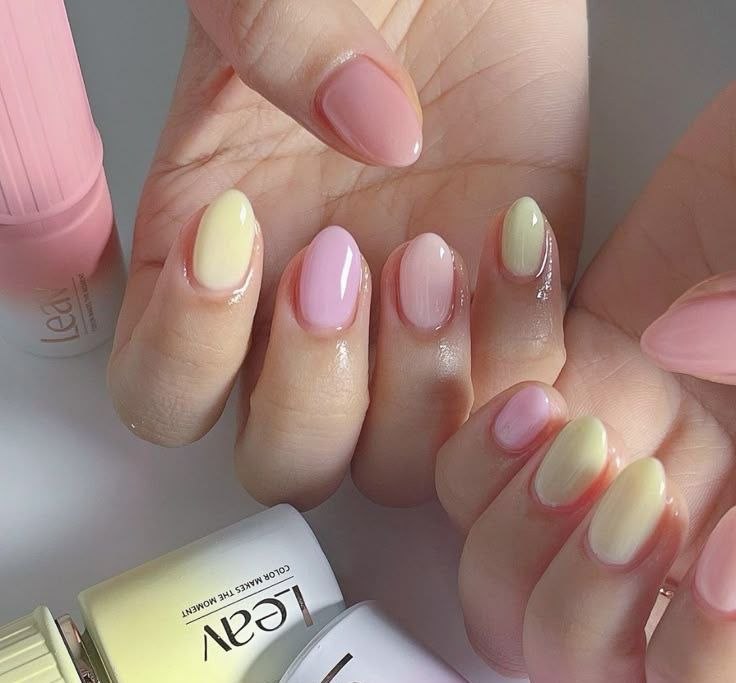
Butter yellow nails are defined by a specific, creamy hue that sits precisely between a pale pastel and a saturated gold. Unlike the neon yellows of summer or the sheer, translucent tints of a traditional nude, this trend relies on a high-opacity cream finish. The color is reminiscent of lemon curd or fresh churned butter—soft, warm, and opaque. While most iterations favor a high-gloss, glass-like shine that mimics the look of a polished stone, some prefer a satin finish that softens the vibrancy of the pigment, making the color feel more integrated with the natural tone of the nail bed.
Behind the Trend
This shift toward buttery tones is a natural evolution of the quiet luxury movement. For several seasons, the trend centered on the beige and taupe palettes of latte nails, which prioritized invisibility and seamless blending. Butter yellow offers a refreshing pivot; it retains the softness and sophistication of those neutrals but adds a layer of intentionality and cheer. It is a form of dopamine dressing for the fingertips—a way to inject a sense of joy into a look without relying on the jarring brightness of primary colors.
When compared to the deep, moody cherry reds or chocolate browns that dominated the colder months, butter yellow feels like a deep exhale. It also diverges from the iridescent, pearlescent finishes of the glazed donut trend by focusing on the purity of the pigment rather than the play of light. There is a subtle nostalgia at play here as well, evoking the minimalism of the late nineties when soft, creamy solids were the hallmark of a refined aesthetic. It feels less like a loud fashion statement and more like a seasonal ritual, mirroring the way we swap heavy wools for breathable cottons.
How to Get Butter Yellow Nails
Achieving this look requires a focus on smooth application, as yellow pigments are notorious for streaking if applied too thinly or unevenly. Begin with a high-quality base coat, which is essential not only for longevity but to prevent the yellow pigment from staining the natural nail. Once the base is dry, select a cream polish in a pale, warm yellow. The key is to find a formula with enough pigment to provide full coverage without requiring four or five layers, which can lead to bubbling or a bulky appearance.
Apply the first coat using long, confident strokes from the cuticle to the tip. Two thin coats read more true-to-trend than one thick layer, as thin layers allow the polish to level out and create that seamless, buttery surface. If you notice any streaks, allow the first layer to dry completely before applying the second; trying to fix a streak in wet polish often creates more unevenness. Focus on capping the free edge of the nail to ensure the color doesn’t chip at the tips, which is where yellow polish tends to show wear most prominently.
To finish the look, a high-shine top coat is the most traditional choice, as it provides the reflective, liquid quality that makes the butter yellow pop. If the color feels a bit too bright for your personal style, you can use a matte or satin top coat to dial back the intensity, giving the nails a velvet-like appearance that feels more muted and understated. Let the manicure cure fully before engaging in any heavy tasks, as the creamy consistency of these polishes can sometimes take a few extra minutes to set completely.
For those who want to push the look further, you can add a micro-French tip using a crisp, stark white polish to define the edges of the nail. Alternatively, try a mismatched approach by painting one accent nail in a shimmering gold chrome to add a touch of metallic contrast while staying within the warm color family.