The era of the flat, single-color manicure is yielding to a more architectural movement. While the minimalist clean girl aesthetic dominated recent seasons, a shift toward high-tactile, multidimensional design is currently redefining the modern nail landscape. This is not merely about color; it is about the interplay of light, the manipulation of depth, and the use of sculptural elements to turn the nail into a piece of wearable art. Specifically, the intersection of jelly finishes and 3D chrome textures offers a sophisticated way to play with translucency and light refraction.
The Sculptural Aesthetic
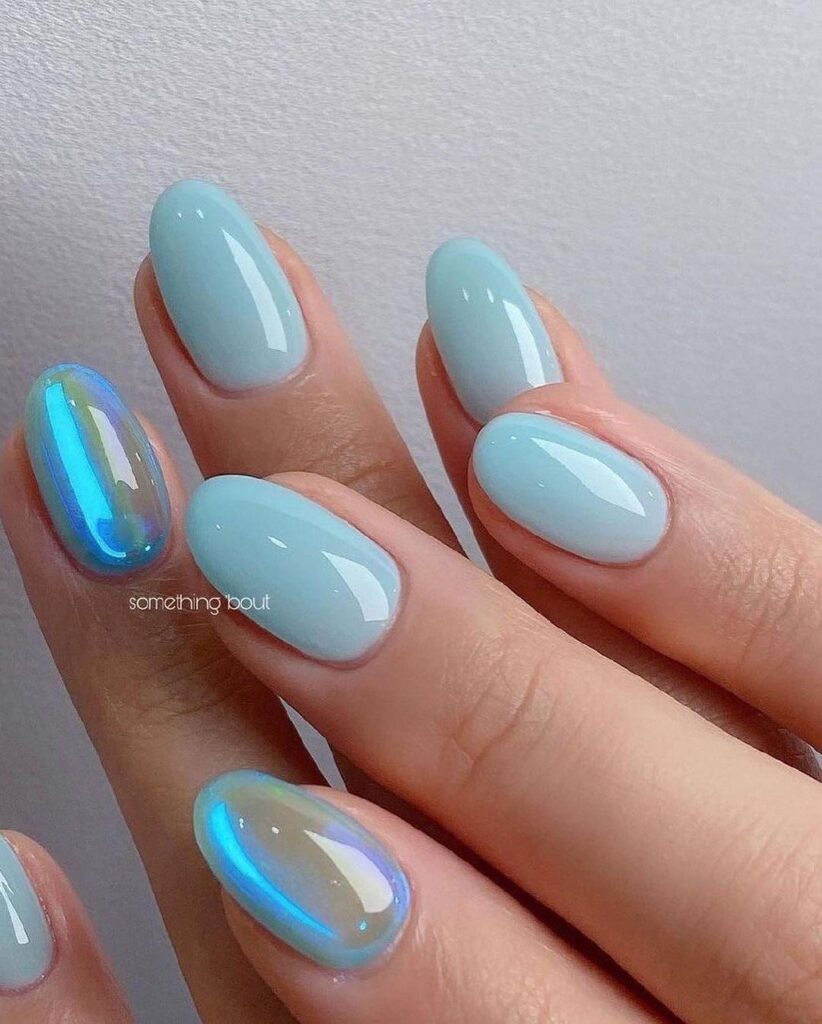
At its core, this trend relies on the contrast between two distinct finishes: the sheer, liquid-like quality of a jelly base and the heavy, reflective weight of metallic 3D elements. The jelly finish provides a sense of depth, as if the pigment is suspended within a translucent medium rather than sitting on the surface. This creates a visual lightness that prevents the more aggressive 3D textures from feeling overly heavy or costume-like.
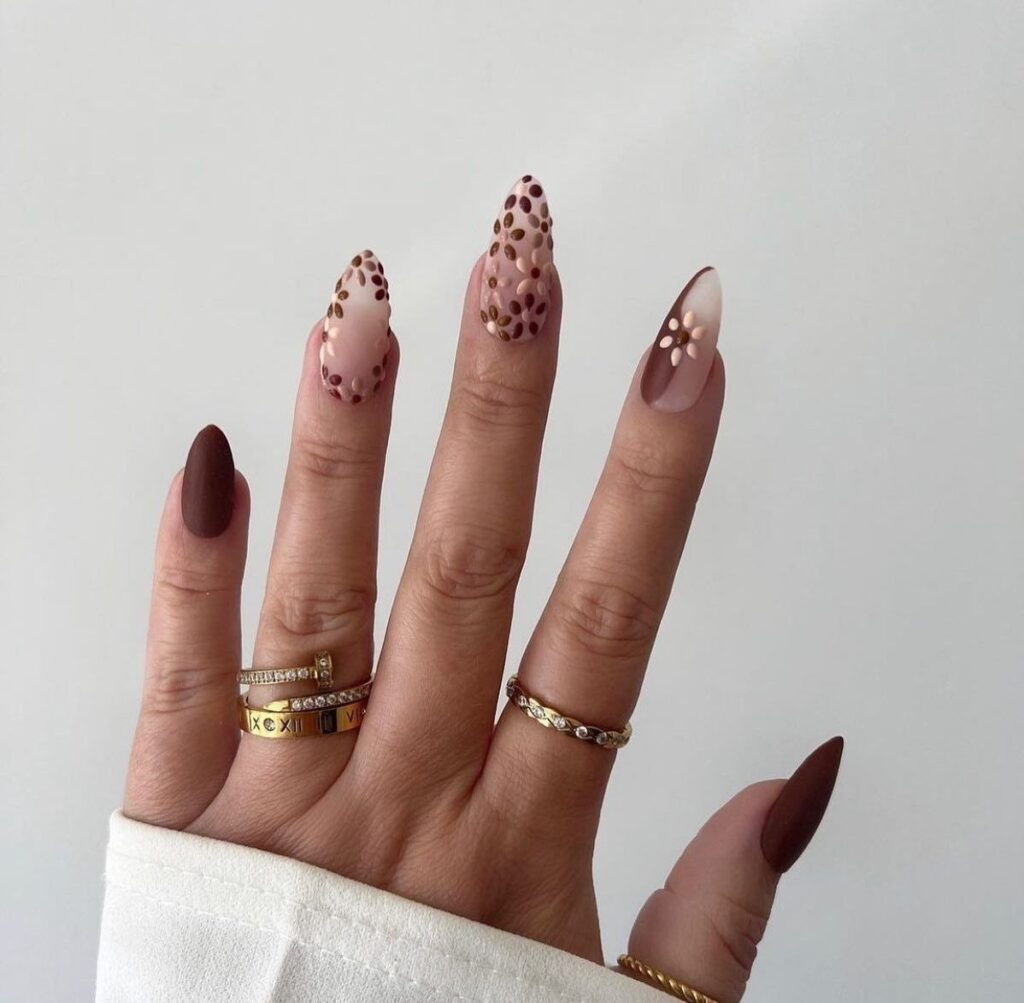
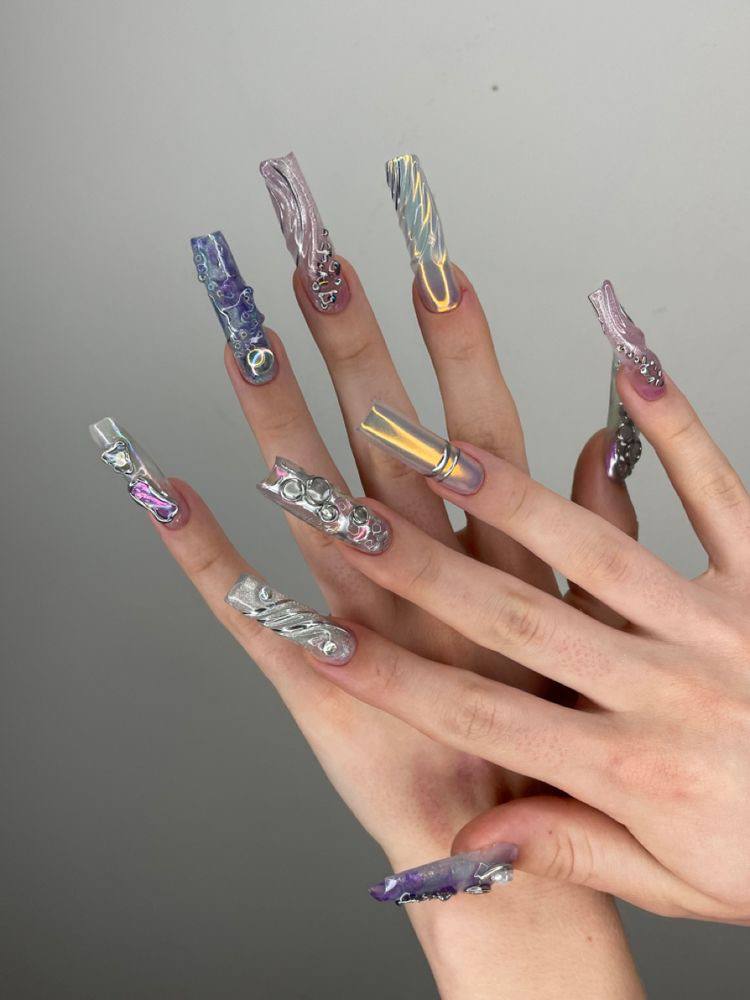
When you combine this with chrome-encrusted textures—think raised droplets, metallic ridges, or swirling patterns—the result is a sophisticated play of shadows. The light does not just hit the nail; it travels through the jelly layers and bounces off the metallic structures, creating a sense of movement even when your hands are still. This is a departure from traditional nail art, moving away from two-dimensional painting toward true three-dimensional construction.
Technical Execution and Application
Replicating this look requires a specific understanding of product viscosity and polymerization. If you are visiting a technician, you are looking for someone proficient in sculpting with builder gel or hard gel. The foundation of this design begins with a sheer, tinted jelly polish or a highly diluted gel tint. This base must be applied in thin, even layers to ensure the translucency remains clear and does not become muddy.
Once the jelly base is cured, the 3D elements are constructed. This is achieved using a high-viscosity builder gel, which holds its shape without leveling out too quickly. To create the raised, organic textures seen in recent high-fashion editorial work, the technician will use a fine liner brush to manipulate the gel into droplets, waves, or ridges. Once these structures are sculpted and cured, the chrome finish is applied.
The application of chrome powder is a precision task. For the most striking results, the powder should be rubbed onto a non-wipe top coat specifically applied to the raised 3D areas. This ensures the metallic finish adheres firmly to the sculpture, creating a liquid-metal effect that appears fused to the nail. If you are attempting a simplified version of this at home, ensure your builder gel is thick enough to maintain the apex and the raised shapes, otherwise, the design will flatten during the curing process.
Curating Color and Shape
The success of a 3D chrome design depends heavily on the relationship between the nail shape and the chosen colorway. For these more complex, textured designs, a coffin or long almond shape provides the necessary canvas. The extended length allows the 3D elements to exist without overwhelming the natural anatomy of the finger. A squoval shape can work for a more modern, blunt look, but it requires more restraint in the scale of the 3D elements to avoid looking bulky.
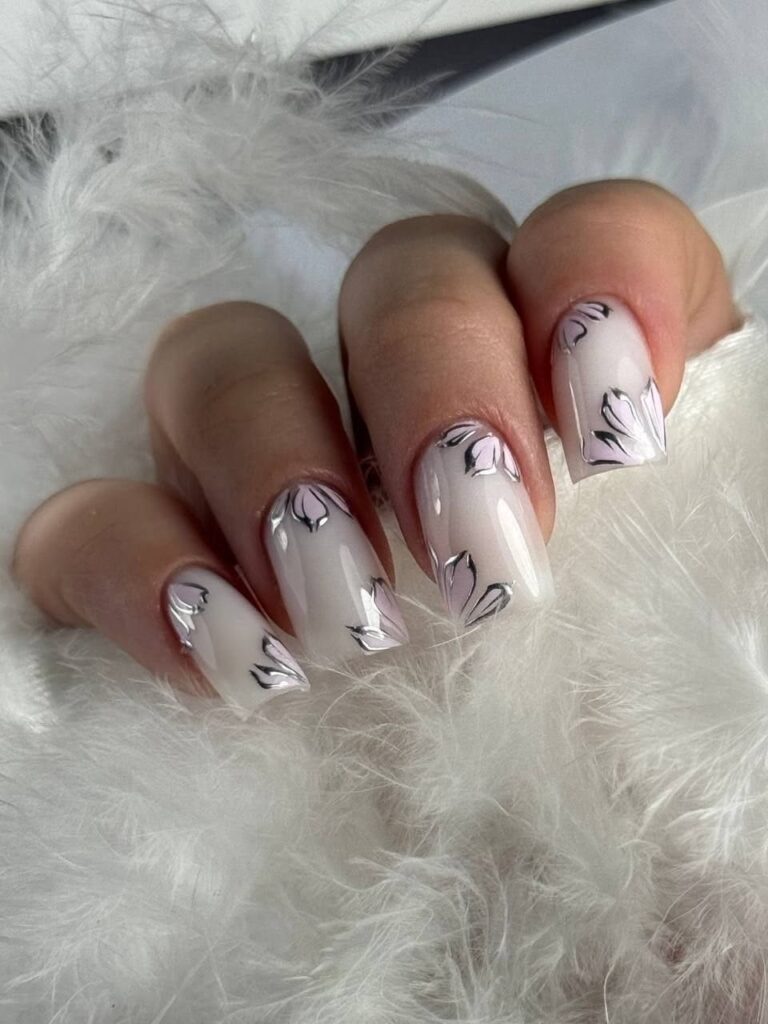
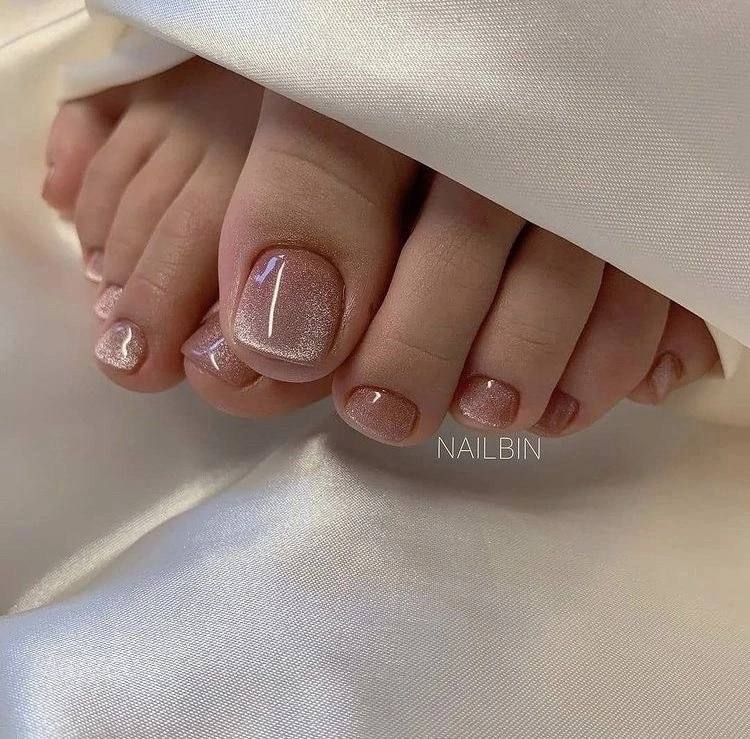
When selecting colors, consider the temperature of the metallic accents. Silver chrome paired with cool-toned jelly bases—such as lavender, pale blue, or mint—creates a futuristic, icy aesthetic. Conversely, gold or copper chrome paired with warmer jelly tints like peach, amber, or rose creates a more decadent, sun-drenched appearance. For those seeking a more understated approach, a nude jelly base with clear, sculptural droplets offers a way to experiment with texture without the high-contrast visual weight of metallics.
Maintaining Structural Integrity
Because this style relies on added dimension, maintenance and care are slightly different from a standard gel manicure. The most important factor in longevity is the integrity of the apex. As the natural nail grows out, the weight of the 3D elements can shift the balance of the enhancement. Regular salon visits for fills are required to ensure the structural strength remains intact and to prevent any lifting at the cuticle area.
You should also be mindful of how you interact with your environment. While modern hard gels are incredibly durable, the raised 3D structures can occasionally catch on delicate fabrics, such as silk or fine knits. To protect both your nails and your wardrobe, avoid using the tips of your nails for tasks that require heavy pressure.
On a daily basis, the health of the surrounding skin is paramount. The heavy use of gels and the rubbing of chrome powders can sometimes lead to dryness around the nail bed. Maintaining a consistent cuticle oil barrier is a non-negotiable part of your routine. Applying a high-quality oil twice daily will ensure the skin remains hydrated and supple, providing a clean, healthy frame for the intricate work on the nail itself.
Navigating these textures allows you to move beyond the predictable and into a space of genuine creative expression. Whether you choose a subtle, monochromatic approach or a high-contrast, multi-tonal design, you are embracing a method of beauty that is as much about architecture as it is about color.