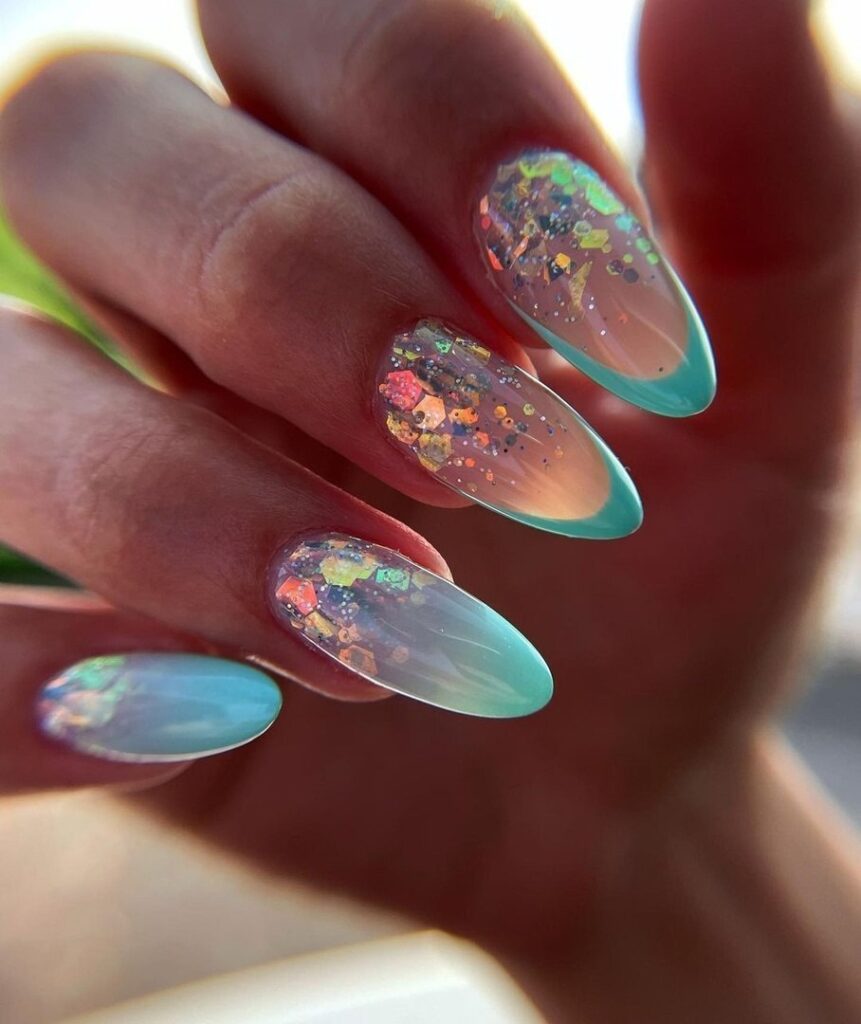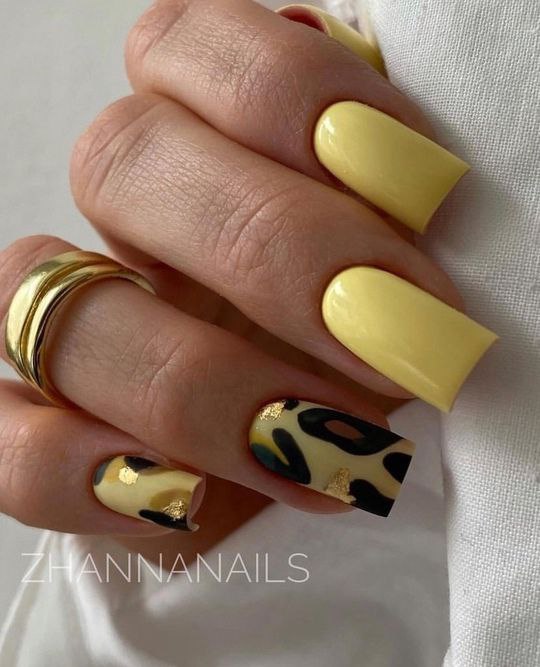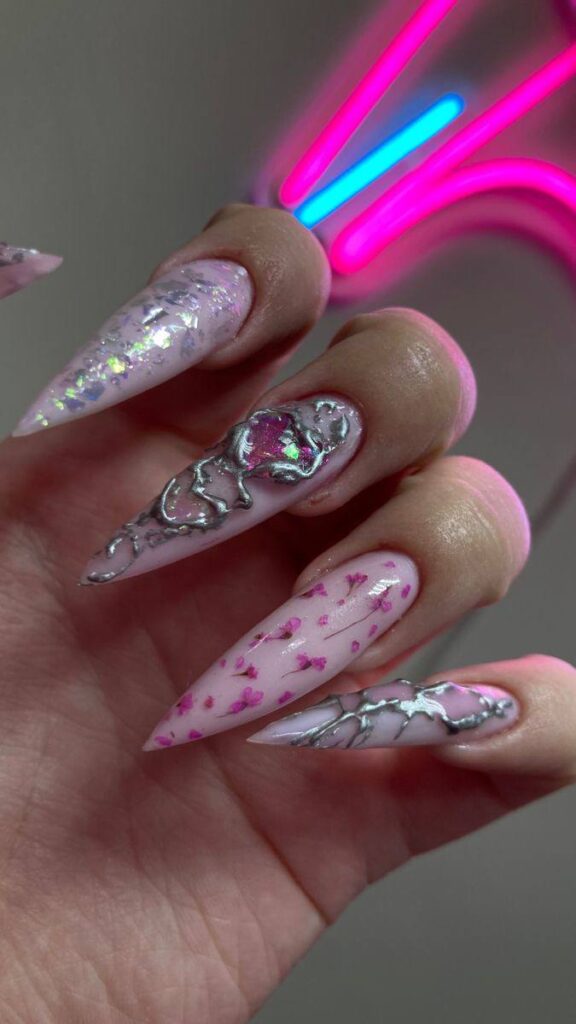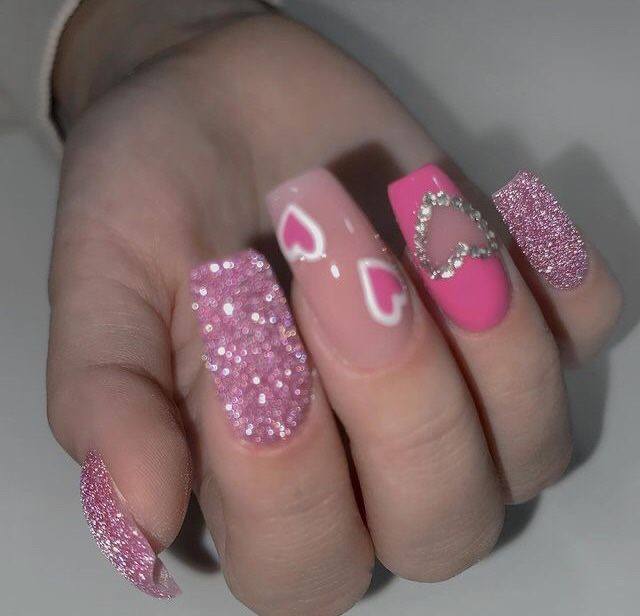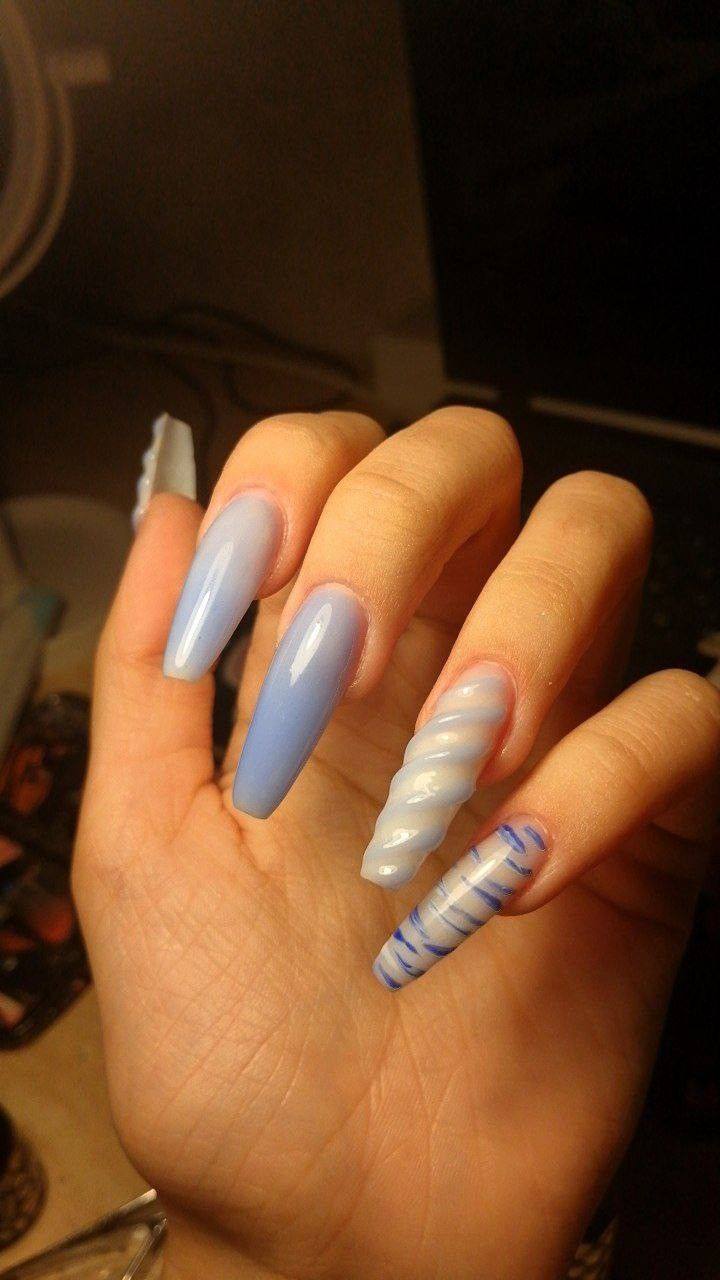
The shift in contemporary nail artistry is moving away from two-dimensional color and toward a more architectural, tactile experience. It is no longer enough for a manicure to simply sit on the surface of the nail; the current interest lies in how light interacts with depth, transparency, and physical structure. When you examine the recent movement in high-end nail design, you see a significant emphasis on the interplay between translucent jelly finishes and sculptural, three-dimensional elements. This approach moves the manicure from a mere accessory to a piece of wearable art, utilizing light refraction to create a look that feels both modern and intentional.
The Aesthetic of Translucency and Blue Tones
The foundation of this specific look relies on the concept of translucency, often referred to in professional circles as a jelly finish. Rather than using a highly pigmented, opaque polish that sits heavily on the nail plate, you are looking for sheer, tint-like colors that allow light to pass through. In this palette, we see a sophisticated use of cornflower and periwinkle blues.
To achieve this, you can use a sheer blue gel or a diluted tint applied over a milky, semi-opaque base. This creates a sense of depth, mimicking the appearance of sea glass or polished quartz. By transitioning the color from a saturated blue at the tip to a nearly clear or milky tone at the cuticle, you create a natural ombré that mimics the way color naturally disperses in water. This gradient is particularly effective because it masks the regrowth of the natural nail, providing a more polished appearance as the weeks progress.
Mastering 3D Sculptural Textures
The most striking component of this design is the introduction of three-dimensional elements, specifically the ribbon or swirl texture found on the ring finger. This is not achieved through standard polish, but through the precise application of a high-viscosity builder gel or a hard gel.
When you or your technician approach this, the technique requires a steady hand and a deep understanding of gel weight. You start by applying a thick bead of clear builder gel to the nail surface. Using a fine-tipped sculpting tool or a specialized brush, you manipulate the gel in a continuous, upward twisting motion to create the spiral. The goal is to create a raised, tactile ridge that catches the light. Because the gel is thick, it must be cured in stages to prevent the weight of the material from causing it to flatten or lose its structural integrity. When finished with a high-shine top coat, these ridges reflect light in a way that makes the blue undertones appear to glow from within the structure itself.
Integrating Patterns and Gradients
To prevent a highly textured manicure from looking cluttered, the design utilizes a calculated balance of patterns. While one nail features a heavy 3D swirl, others utilize a more subtle marble or streaked pattern. This is achieved using a fine-liner brush and a slightly more opaque blue pigment.
Instead of drawing solid lines, you are essentially swirling thin veins of blue through a milky white base. This mimics the organic movement found in natural stone. This variation in texture—from the smooth, jelly-like ombré to the raised 3D swirl and the flat marble pattern—provides visual interest without overwhelming the hand. This variety is what distinguishes a cohesive set from a collection of disconnected designs. When requesting this at a salon, you should specify a desire for “mixed media” textures to ensure the technician understands the need for both flat and raised elements.
Structural Precision and Shape
The success of long, decorated nails depends heavily on the underlying architecture. The shape shown here is a classic coffin or ballerina shape, characterized by long, tapered sidewalls that end in a straight, blunt tip. This shape provides a large enough canvas for the 3D elements while maintaining a sleek, elongated look that complements the fingers.
However, length requires strength. To prevent breakage, proper apex placement is non-negotiable. The apex is the highest point of the nail’s curve, typically located near the center of the nail bed. In a long coffin shape, the builder gel or acrylic must be applied to reinforce this area, ensuring that the weight of the extension is distributed correctly. Without a strong apex, the added weight of the 3D sculptural elements could lead to lifting or snapping at the stress points.
Longevity and Maintenance
Maintaining a manicure that features both delicate translucency and heavy 3D structures requires a specific care regimen. Because the 3D elements create new edges and crevices, they can occasionally catch on fine fabrics or hair. To mitigate this, a high-viscosity, encapsulated top coat is necessary to smooth over the transition where the 3D gel meets the flat nail surface.
Daily maintenance should focus on the integrity of the nail bed and the skin. You should apply a high-quality cuticle oil to the base of each nail daily. This maintains a cuticle oil barrier that keeps the skin hydrated and prevents the lifting of the gel at the edges. If you are performing these techniques at home, pay close attention to the curing time of your builder gels; under-cured gel can lead to premature peeling, especially in the thicker, sculptural sections.
Embracing a tactile approach to your personal style allows you to move beyond the surface of traditional beauty. By focusing on depth, light, and structural integrity, you transform a simple color choice into a sophisticated expression of modern artistry.