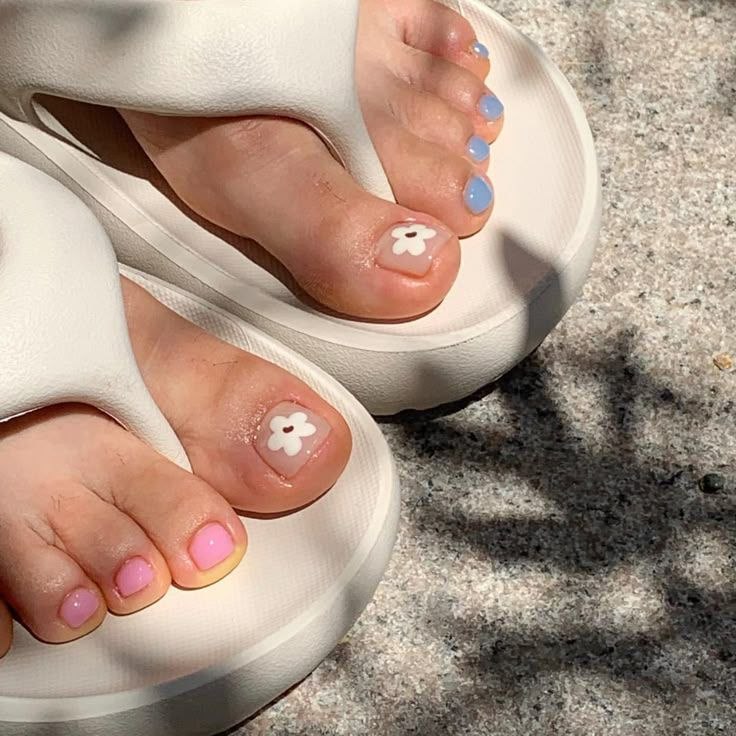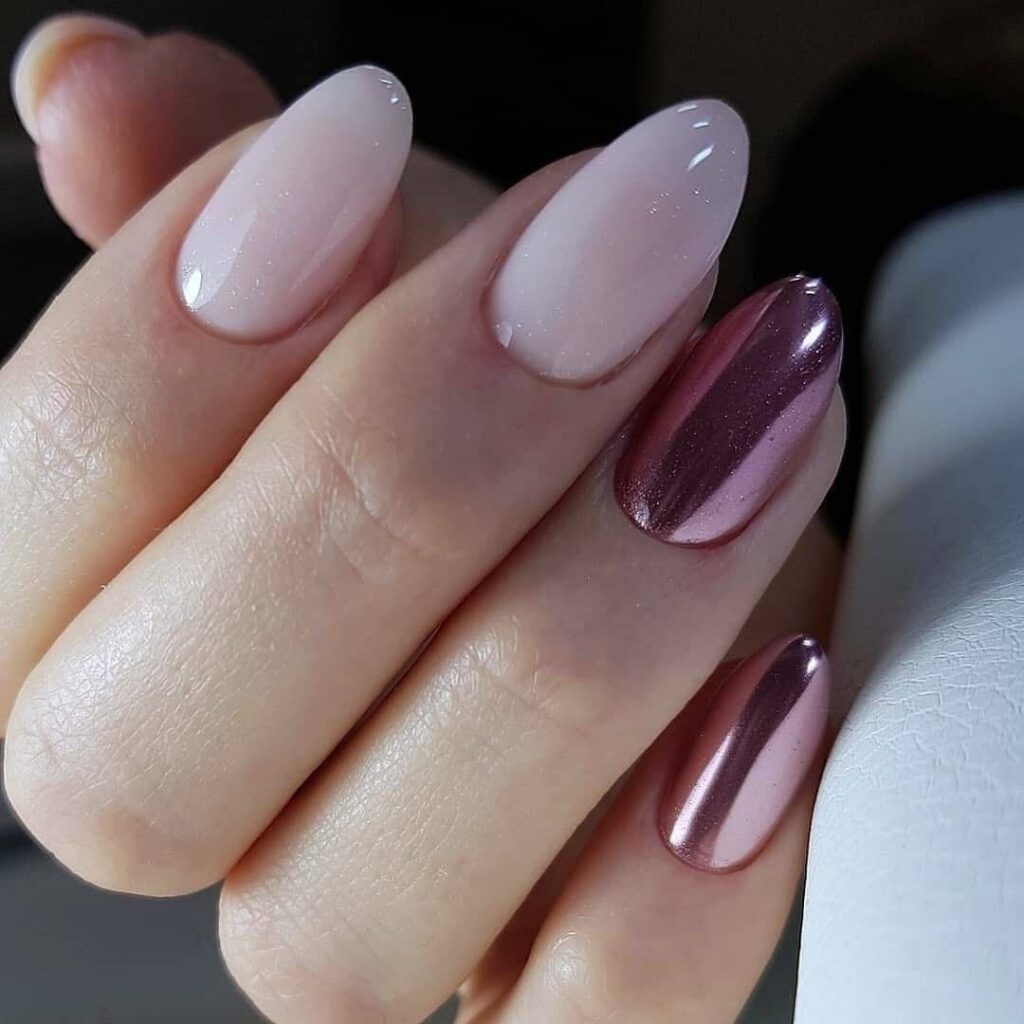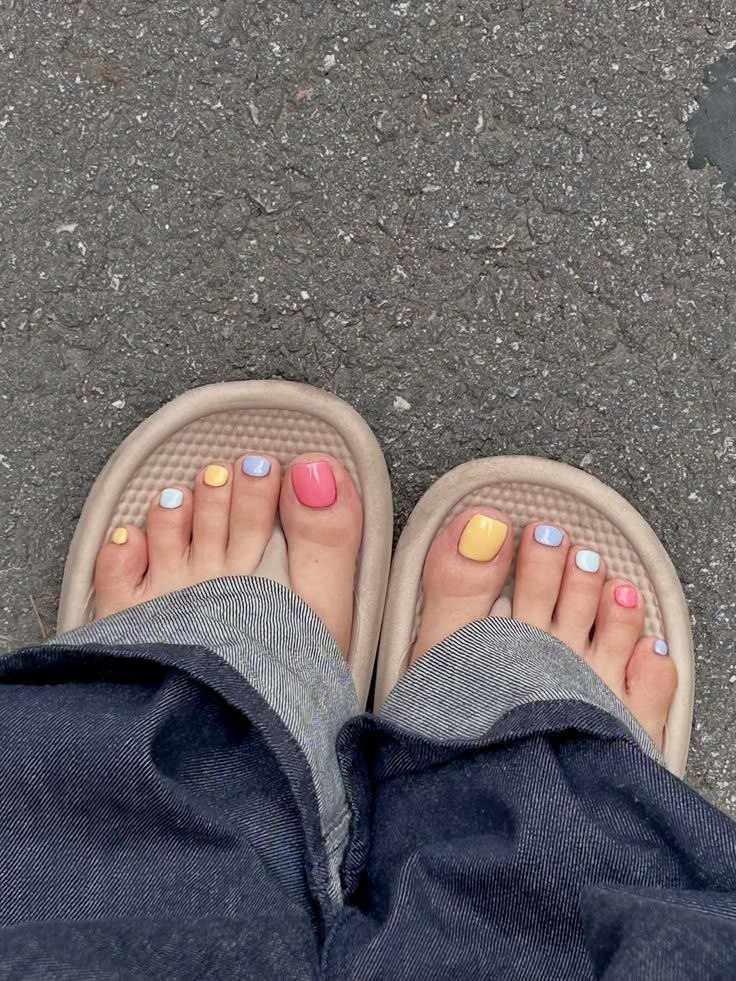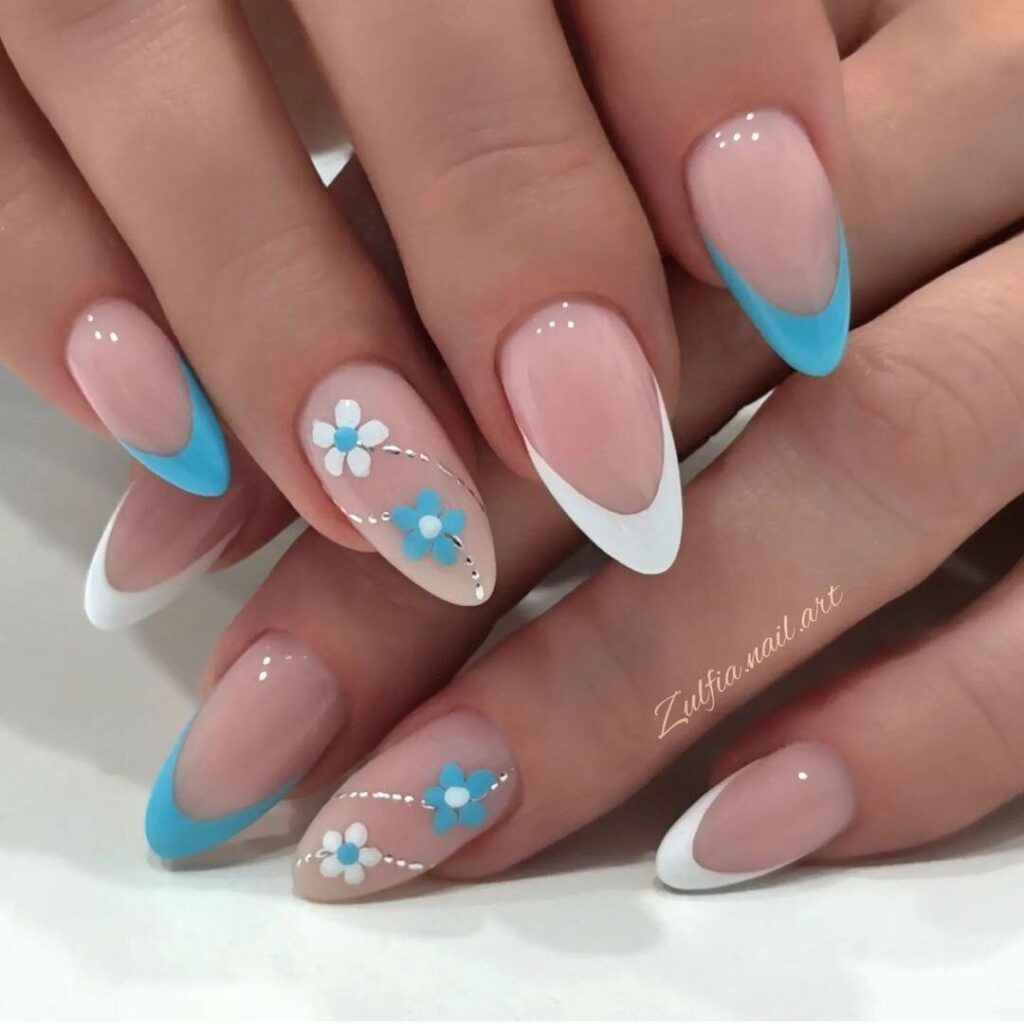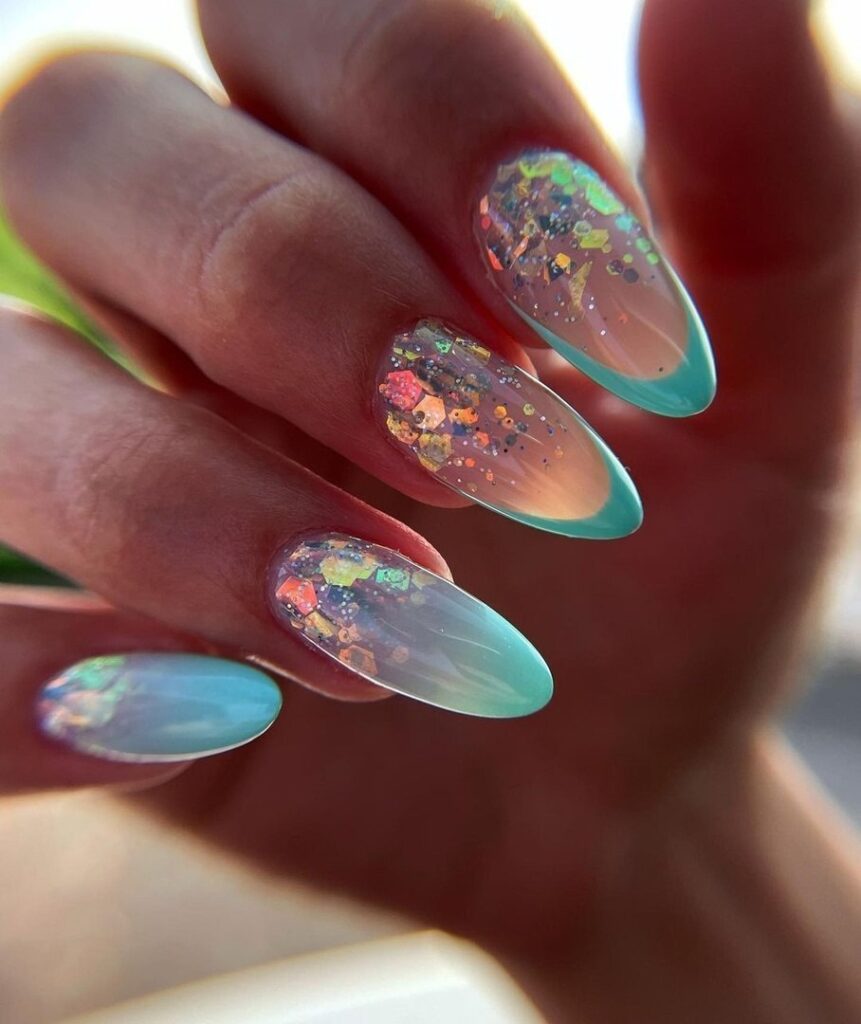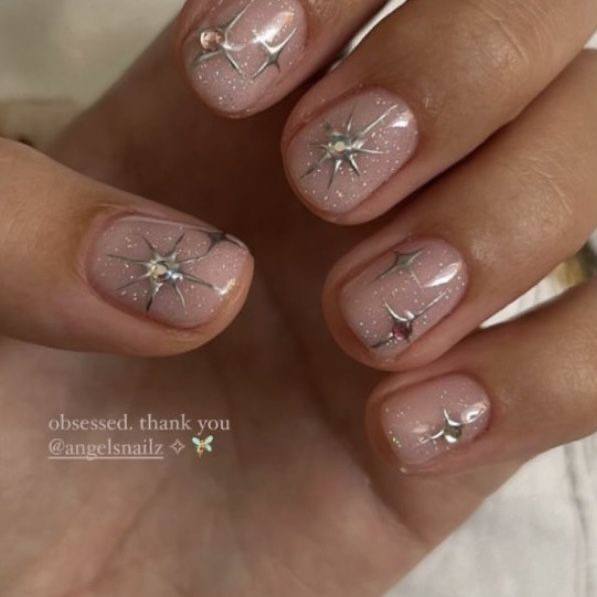
The visual pull of translucent nail finishes lies in their ability to mimic the way light passes through glass or fine silk. Rather than covering the natural nail with a heavy, opaque layer of pigment, the jelly aesthetic relies on a sense of depth and suspension. This creates a look that feels less like a coating and more like a natural extension of the finger itself. When you layer delicate, celestial motifs over a sheer, milky base, the result is a sophisticated interplay of light and shadow that captures a quiet, ethereal quality. It is a departure from the high-saturation trends of previous seasons, moving instead toward a nuanced, light-catching aesthetic that suits both professional environments and evening events.
Defining the Jelly Aesthetic
To achieve this specific look, you must first understand the science of translucency. A true jelly finish is achieved through a sheer gel or polish that possesses a high level of clarity. The goal is to create a milky, rose-toned base that allows a hint of the natural nail bed to remain visible. This prevents the color from looking flat or heavy. To add the dimension seen in high-end editorial photography, a layer of micro-shimmer is often suspended within the base. This isn’t a chunky glitter, but rather a fine, dust-like shimmer that sits deep within the color layers, catching the light only when the hand moves.
The foundation requires a steady hand and a focus on the apex placement. A well-structured nail provides the necessary canvas for such delicate work. If the base is too thin, the color will look streaky; if it is too thick, you lose the translucent quality that defines the jelly texture. The ideal approach involves building the color in thin, successive layers, allowing each to cure fully to ensure a smooth, glass-like surface.
Executing the Celestial Detail
Once the translucent base has been established and cured, the focus shifts to the celestial elements. The starbursts and thin, spindly lines require a level of precision that separates amateur attempts from professional results. To replicate this, you will need a fine-liner brush—the kind used for micro-details in fine art.
The starbursts should not be uniform or symmetrical. Part of the allure of this style is the intentional, organic placement of the shapes. You can use a silver chrome powder rubbed over a cured gel base to achieve a high-shine, metallic finish, or a highly pigmented silver gel paint for a more controlled, graphic look. For a more multidimensional effect, consider placing a single, micro-rhinestone at the center of the largest starbursts. This adds a point of physical light reflection that complements the visual shimmer of the base.
When painting the stars, start from the center and pull the lines outward with a light, sweeping motion. The lines should taper into fine points, mimicking the appearance of light refracting through a prism. By varying the length and thickness of these lines, you create a sense of movement across the nail, making the celestial pattern feel integrated into the jelly base rather than simply sitting on top of it.
Selecting Shapes and Color Pairings
While this look is versatile, the nail shape plays a significant role in how the art is perceived. A short squoval shape offers a modern, clean, and practical look that emphasizes the delicate nature of the silver linework. This shape is particularly effective for those who prefer a more understated, “quiet luxury” vibe. On the other hand, a soft almond shape provides more vertical real estate, allowing for more elongated starbursts and a more dramatic, romantic silhouette.
In terms of color, the silver of the celestial motifs works best against cool-toned, milky pinks or sheer nudes. If you prefer a warmer aesthetic, a champagne-toned sheer base can be used, though the silver will create a higher-contrast, more striking visual. For those looking to experiment, a very pale lavender jelly base can offer a celestial, twilight-inspired feel that remains sophisticated. Avoid pairing these fine lines with overly saturated or neon bases, as the heavy pigment will swallow the delicate shimmer and make the silver work appear cluttered.
Longevity and Maintenance
Because the beauty of this style relies on the clarity of the base and the precision of the fine lines, maintenance is a priority. The silver linework, especially if applied with a chrome powder, can be susceptible to micro-scratches if the topcoat is not sufficiently durable. Ensure your technician uses a high-quality, non-wipe topcoat to seal the design, creating a smooth, protective barrier that maintains the glass-like finish.
To keep the jelly base looking fresh, you must prioritize the health of the surrounding skin. A consistent cuticle oil barrier is necessary to prevent the skin from looking dry, which can distract from the clean lines of the nail art. Regular application of a lightweight oil will keep the skin supple and ensure the transition from the nail to the finger remains seamless. If you are performing this at home, be mindful of heavy manual tasks that might cause the edges of the starbursts to chip; the thinner the line, the more it relies on the integrity of the topcoat for its lifespan.
You now possess the technical understanding to approach this aesthetic with confidence. Whether you are guiding a professional through the specific requirements of a jelly finish or applying the fine-liner brush yourself, the key is patience and a focus on the interplay of light.