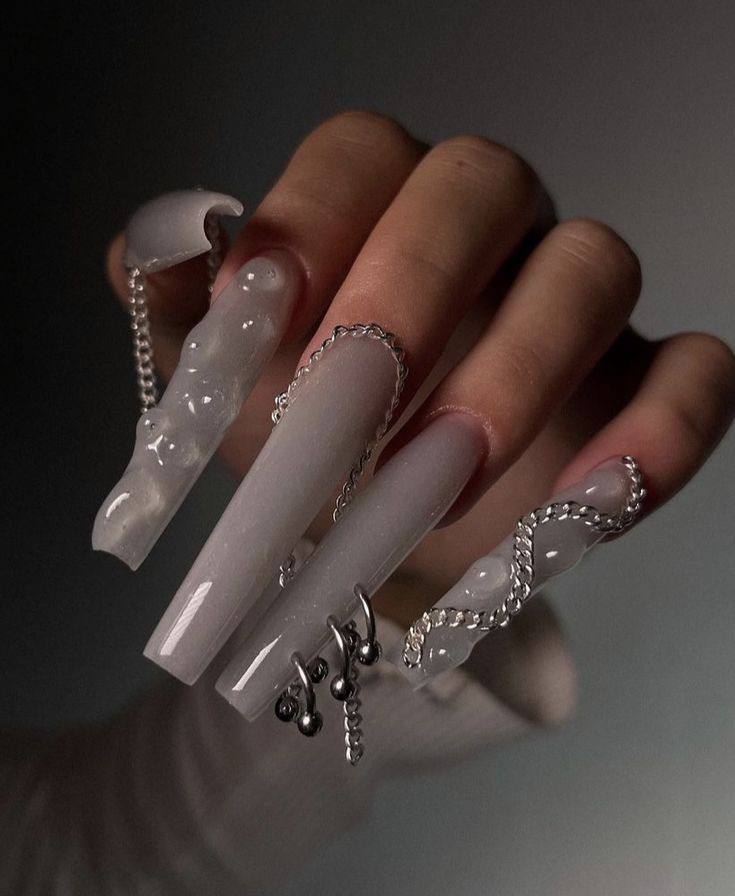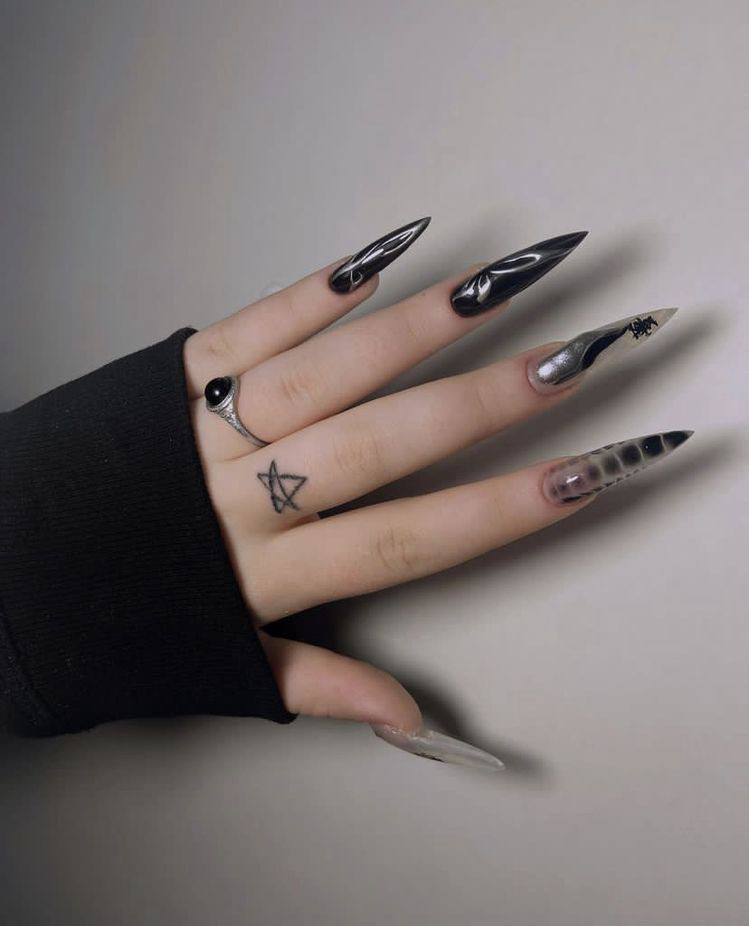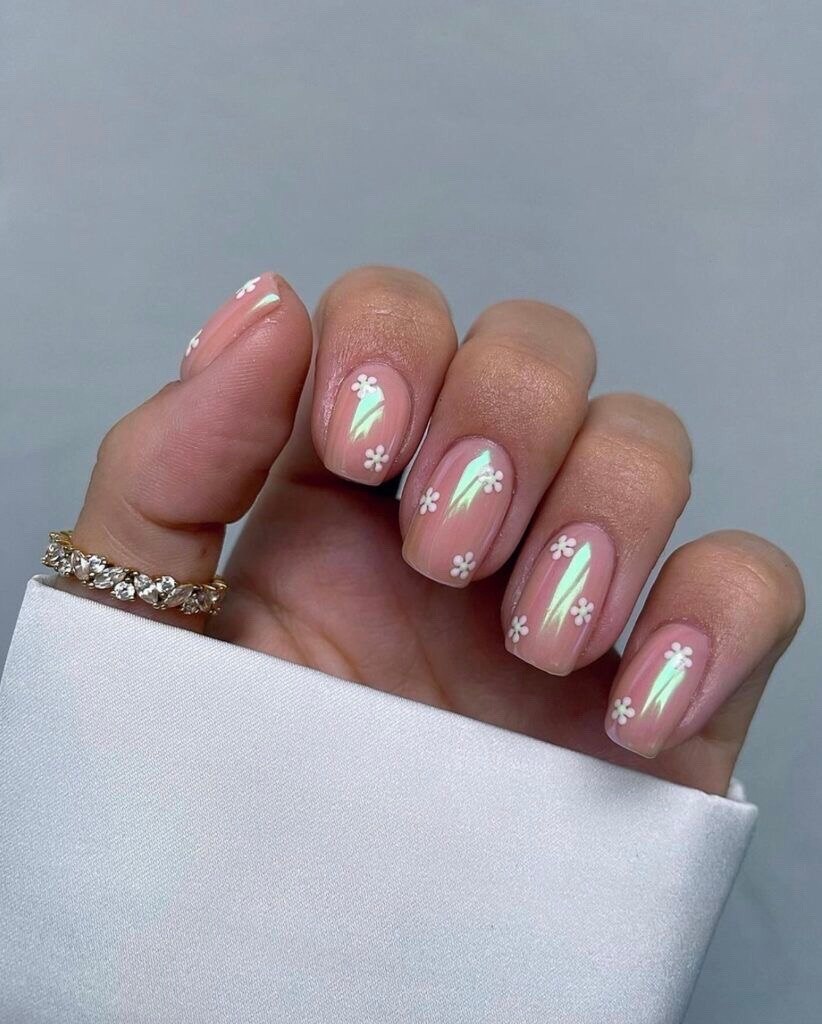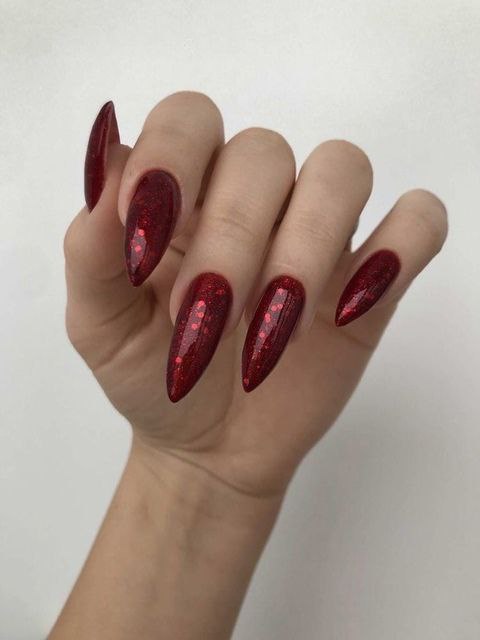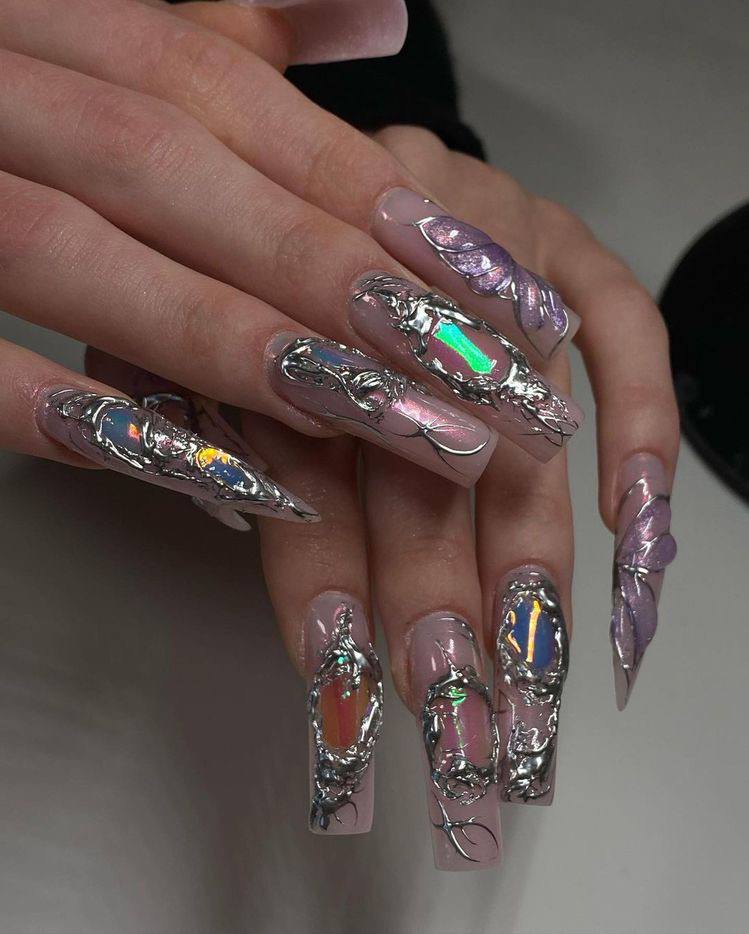
The interplay of light against a translucent surface creates a depth that standard opaque polishes cannot replicate. When you observe the current shift toward high-relief, textured nail art, the most arresting compositions rely on a specific tension between two opposing elements: the liquid, weightless appearance of a jelly base and the heavy, sculptural presence of molten chrome. This aesthetic moves beyond simple color application, treating the nail as a canvas for miniature, three-dimensional architecture.
The Physics of Translucency
The foundation of this look begins with the jelly base, a sheer, pigment-rich gel that mimics the consistency of stained glass. Unlike traditional cream polishes that sit heavily on the nail plate, a jelly base allows light to pass through the color, hitting the natural nail or an encapsulated layer beneath before reflecting back to the eye. This creates an internal glow that feels much more organic than a flat finish.
To achieve professional-grade depth, the base often incorporates encapsulated elements. This might involve suspending iridescent flakes, micro-shimmer, or even dried botanical elements within the layers of clear builder gel. When you choose a pale lilac or a soft peach jelly, you are not just choosing a color; you are choosing a medium for light. The goal is to create a sense of volume within the nail itself, making the surface appear as though it contains a suspended, shimmering liquid. Proper apex placement is critical here; the gel must be built up to provide structural strength while maintaining that deceptive, watery transparency.
Mastering the Three Dimensional Relief
Once the translucent foundation is cured and leveled, the focus shifts to the architectural component: the molten chrome. This is not the result of a simple stamping or a thin line of metallic polish. Instead, it requires the use of a high-viscosity builder gel or a specialized 3D sculpting gel. This material holds its shape without leveling out, allowing you to draw organic, vein-like structures or thick, liquid-looking droplets directly onto the nail surface.
The technique involves pulling the gel into irregular, flowing lines that mimic the way metal might melt or pool. These ridges must be cured precisely to ensure they remain sharp and defined. After the sculpted gel is hardened, the chrome powder is applied. This is typically done by buffing a fine metallic pigment over the raised areas, ensuring the reflective luster is concentrated strictly on the 3D elements. This creates a stark, high-contrast effect where the silver or gold appears to sit on top of the jelly, separated by a clear boundary of light and shadow. The result is a finish that feels tactile and weighted, contrasting the airy nature of the base.
Curating Shapes and Colorways
The success of this high-concept art depends heavily on the silhouette of the nail. Because the design is visually dense, the shape of the nail acts as the frame. A long coffin or a tapered stiletto shape provides the necessary real estate for the 3D elements to breathe. These elongated shapes allow the molten chrome to travel down the length of the nail, enhancing the sense of movement. For those preferring a more controlled, modern aesthetic, a sharp squoval shape can ground the design, making the 3D elements feel more like intentional, geometric accents rather than fluid, organic growths.
Color selection should follow a logic of temperature and contrast. A cool-toned jelly, such as a sheer mint or a frosty blue, pairs naturally with silver chrome for a futuristic, icy appearance. Conversely, a warm, amber-toned jelly base with gold chrome creates a rich, molten lava effect that feels more grounded and luxurious. If you want to minimize the visual noise, stick to monochromatic pairings—for example, a sheer pink jelly with rose gold chrome—which allows the texture to be the primary focus rather than the color.
Preserving the Sculptural Integrity
Because this style relies on physical height, maintenance requires a more disciplined approach than standard manicures. The primary concern is the mechanical durability of the 3D ridges. These raised elements are more prone to catching on delicate fabrics, such as silk or knitwear, which can lead to chipping or lifting. To mitigate this, ensure your technician uses a high-quality, non-wipe top coat that is applied with precision, sealing the edges of the chrome without filling in the valleys of the 3D design.
Longevity is also tied to the health of the surrounding anatomy. As the gel grows out, the weight of the 3D elements can shift the center of gravity of the nail. Maintaining a consistent cuticle oil barrier is non-negotiable. Keeping the proximal nail fold and the lateral nail folds hydrated prevents the skin from pulling at the edges of the gel, which is essential when dealing with complex, multi-layered applications. By treating the manicure as a structural piece of art rather than a simple color change, you ensure the clarity of the jelly and the brilliance of the chrome remain intact for the duration of your wear.
Whether you are walking into a salon with a specific reference image or attempting to refine your own technical application, the key lies in the balance of light and texture. You are not just applying color; you are manipulating how light interacts with a physical form.