Mastering the Craft: A Deep Dive into The Edge Acrylic Liquid & Powder Training Kit
Starting a journey into the world of professional nail artistry is both exhilarating and, frankly, a little overwhelming. You walk into a beauty supply store or scroll through an online retailer, and suddenly you’re faced with a mountain of monomers, polymers, primers, and specialized tools. Where do you even begin? If you are an aspiring nail technician or a dedicated hobbyist looking to transition from basic polish to structured enhancements, the first hurdle is always getting the right foundational tools without breaking the bank on individual items.
As a research analyst specializing in beauty products, I have spent considerable time investigating the tools that bridge the gap between “beginner” and “proficient.” One product that consistently surfaces in discussions regarding entry-level professional training is The Edge Acrylic Liquid & Powder Training Kit. This isn’t just a random assortment of bottles; it is a curated ecosystem designed to take a student through the entire lifecycle of an acrylic application. I’ve spent time breaking down the components, looking at how they interact, and synthesizing the general consensus from the nail community to see if this kit actually delivers on its promise of a complete training experience.
Key Features
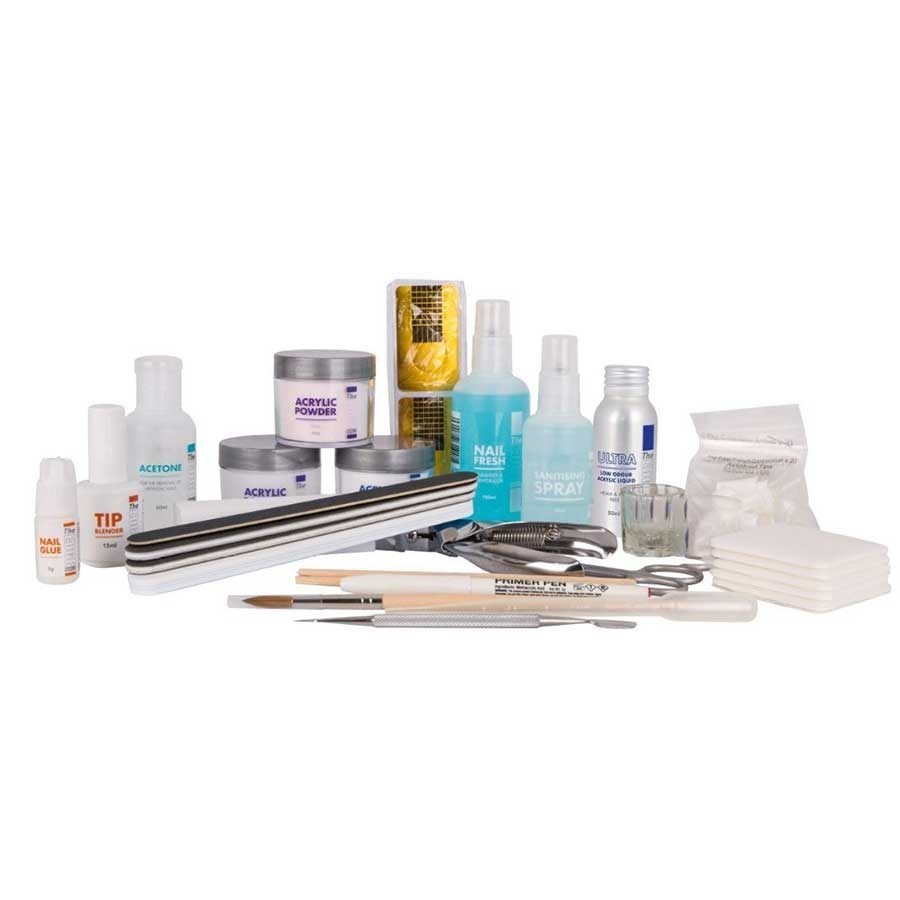
When I first looked at the composition of The Edge kit, the most striking thing was its comprehensiveness. Most “starter kits” on the market often forget the crucial prep or the finishing steps, leaving the user to scramble for extra supplies mid-lesson. This kit appears to have been designed with a specific workflow in mind.
The Core Chemistry: Acrylic Powder and Liquid
At the heart of any acrylic set is the relationship between the polymer (the powder) and the monomer (the liquid). This kit provides a substantial container of Acrylic Powder, which is the structural foundation of the nail. Accompanying this is the liquid component, including a specialized “Ultra Low Odor Liquid.” For anyone training in a home environment or a small studio, the mention of “low odor” is a significant feature. Traditional monomers can have an incredibly pungent, overwhelming scent that requires heavy ventilation; having a lower-odor option makes the learning process much more comfortable in non-industrial settings.
The Prep and Adhesion System
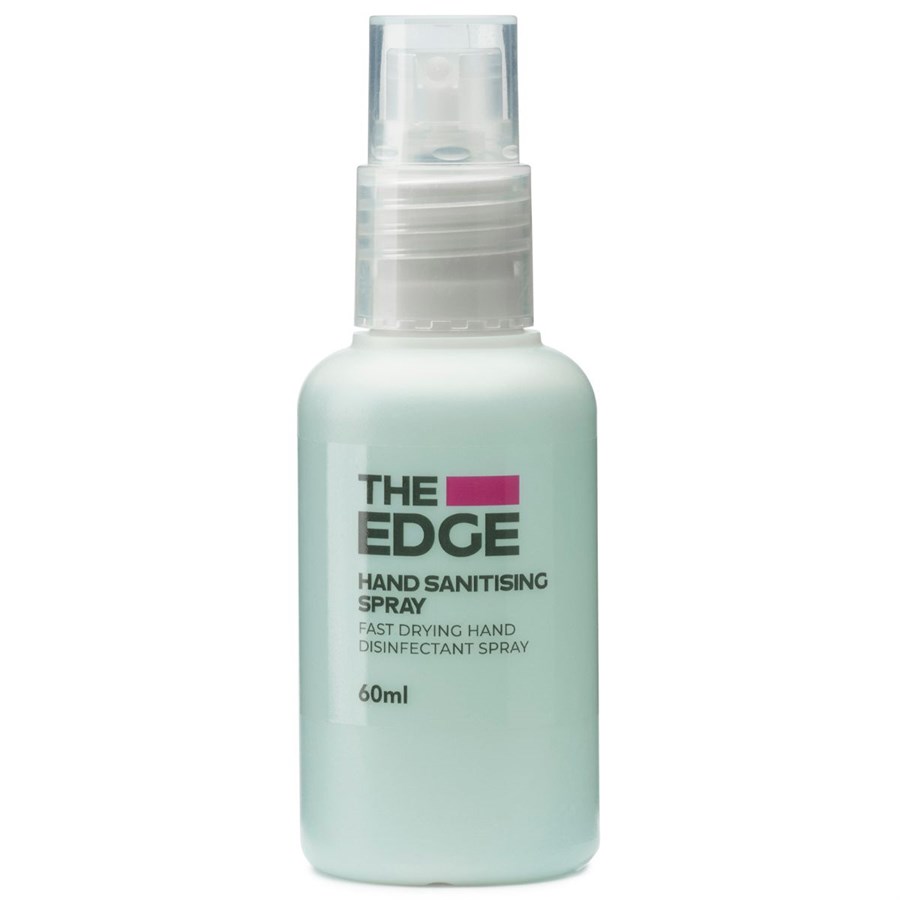
One of the biggest reasons acrylic nails lift or pop off is poor preparation. The Edge has addressed this by including a dedicated preparation suite. You have “Nail Fresh” for surface prep, a “Sanitizing Spray” to ensure a clean working environment, and, perhaps most importantly, a “Primer Pen.” In my research, the primer is often the “unsung hero” of nail longevity. The pen format is particularly user-friendly for students, allowing for precise application to the natural nail plate to ensure the acrylic bonds securely.
Specialized Application and Shaping Tools
A kit is only as good as the tools used to manipulate the product. This set includes a variety of essential hardware:
- Professional Brushes: Essential for picking up the perfect bead of acrylic.
- Tip Blender: A vital tool for beginners to help transition the artificial nail tip into the natural nail area for a seamless look.
- Nail Tips and Glue: The building blocks for extension training.
- Shaping Tools: A range of files and boards to refine the structure and shape of the finished nail.
- Cuticle and Finishing Tools: Including scissors and nippers to handle the detail work that separates a “messy” application from a professional one.
Design & Application/Wear Quality
From a design perspective, the kit is organized by function. The packaging of the liquids—ranging from the larger acetone bottle for removal to the smaller, more precise primer pen—suggests a kit designed for a step-by-step technical progression. You start with sanitation, move to prep with the Nail Fresh and primer, apply the tips using the glue and blender, build the structure with the powder and monomer, and finally shape and refine.
Regarding wear quality, the performance of acrylic is heavily dependent on the user’s technique, especially during the training phase. However, the inclusion of high-quality prep items like the primer pen and the “Nail Fresh” suggests that the kit is designed to facilitate a long-lasting bond. The “Ultra Low Odor” monomer is a thoughtful design choice that addresses a major pain point for learners, allowing for longer practice sessions without the sensory fatigue caused by traditional heavy-duty monomers. While a student is still learning to control the liquid-to-powder ratio, having a monomer that is more manageable is a significant advantage for developing muscle memory.
What Customers Are Saying
After synthesizing feedback from various beauty forums, social media discussions, and retail comments, a very clear picture emerges regarding the user experience with The Edge Training Kit. The consensus is largely positive, particularly among those who value convenience and cost-effectiveness.
A recurring theme in the praise is the “all-in-one” nature of the kit. Many users express relief that they didn’t have to make multiple trips to different suppliers to get the specialized items like the tip blender or the primer pen. There is a strong sentiment that this kit provides a “complete roadmap” for a beginner, which reduces the anxiety of missing a step in the process.
When it comes to the liquid components, the feedback regarding the low-odor monomer is consistently highlighted. Many learners mention that it makes practicing at home much more feasible, noting that it is “easier to breathe” while working compared to professional-grade, high-scent monomers. The primer pen also receives significant nods for its precision, with users finding it much easier to control than a traditional liquid primer bottle.
However, there are some common observations that act as a reality check for new buyers. While the kit is praised for its completeness, some experienced users point out that because it is a “training” kit, the volumes of powder and liquid are designed for practice rather than long-term professional use. Some customers have noted that once they move past the learning phase, they will naturally need to transition to larger, professional-sized bottles. There is also a general consensus that while the tools are excellent for learning, the learning curve itself remains steep—the kit provides the tools, but the user still needs to put in the hours of practice to master the chemistry.
Pros & Cons
Based on my research and the technical breakdown of the kit, here is a summary of the advantages and limitations:
Pros
- Comprehensive selection of both chemicals and hardware, reducing the need for additional purchases.
- Includes essential prep items (primer, nail fresh) that are often overlooked in cheaper kits.
- The low-odor monomer is a game-changer for home-based learners.
- User-friendly tools, such as the primer pen and tip blender, specifically cater to the beginner’s learning curve.
- Excellent value for money for anyone entering the nail technology field.
Cons
- Quantities are optimized for training/practice rather than high-volume professional use.
- Requires a significant amount of manual practice to master the product ratios.
- As with any acrylic kit, it requires a dedicated space with adequate lighting for best results.
Who It’s For
The Edge Acrylic Liquid & Powder Training Kit is specifically engineered for a niche audience. It is an ideal match for:
- Nail School Students: Those who need a reliable, comprehensive set to practice their technical skills during their certification.
- Aspiring Home Technicians: Individuals looking to start a side business or hobby who want to learn in a comfortable, low-odor environment.
- Beauty Enthusiasts: Anyone who wants to move beyond basic manicures and learn the art of structured nail extensions.
I would not recommend this kit for established salon professionals who need large volumes of product for daily clients, nor for those looking for a massive variety of acrylic colors, as this kit focuses on the fundamental clear/neutral training components.
Final Verdict & Tips
After a thorough investigation, my conclusion is that The Edge Acrylic Liquid & Powder Training Kit is a highly effective, well-researched entry point into the world of nail enhancements. It avoids the common pitfall of providing “just the basics” and instead provides a “workflow in a box.” By including the critical prep and shaping tools, it ensures that a student isn’t just learning how to apply powder, but is learning how to create a professional-grade, lasting manicure from start to finish.
The value proposition here is high, especially considering the specialized nature of items like the tip blender and the low-odor monomer. It is a smart investment for anyone serious about learning the craft properly.
To ensure you get the most out of this kit, I have compiled a few practical tips based on common learner patterns and product specifications:
- Master the Ratio First: Before moving to full nail applications, practice “bead control” on a practice hand or tip. Learn exactly how much powder your monomer can hold without being too runny or too dry.
- Never Skip the Primer: It may be tempting to rush the process, but the primer pen is your best defense against lifting. Ensure the natural nail is completely dry and oil-free before applying.
- Prioritize Brush Hygiene: Your brushes are your most important investment in this kit. Clean them immediately after every use with the provided cleaner or acetone to prevent the acrylic from hardening in the bristles, which can ruin the shape.
- Practice on Tips Before Real Nails: Use the included nail tips to perfect your shaping and blending. This allows you to make mistakes and learn the “feel” of the product without the pressure of working on your own (or a client’s) hands.
- Proper Storage: Keep the monomer and acetone in a cool, dark place and ensure all caps are tightly sealed. Monomers are volatile and can evaporate over time if not stored correctly.