Try the Soft Petal Matte Nail Trend for the Gentlest Spring Manicure
A quiet, tactile way to welcome the bloom.
The light changes in late March. It loses that sharp, blue winter edge and begins to feel warmer, stretching more lazily across the floorboards in the late afternoon. There is a specific scent to the air during this transition—a mixture of damp earth, the faint sweetness of thawing soil, and the first, tentative hints of jasmine or lilac drifting through an open window. It is a season of softness, where the world feels like it is waking up under a thin, silk veil.
You may not be standing in a sun-drenched garden at this exact moment, perhaps you are navigating a morning commute or sitting in a brightly lit office, but you can still adopt that sense of seasonal renewal. You can bring a piece of that quiet, organic softness to your daily life through the simple, intentional choice of your manicure.
What Are Soft Petal Matte Nails?
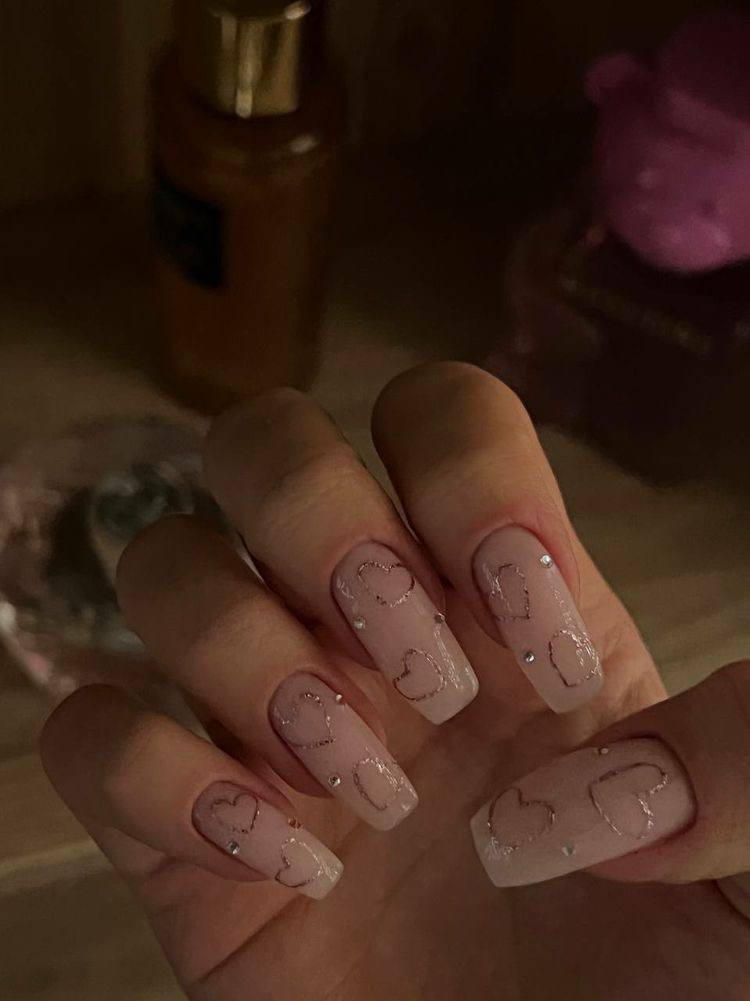
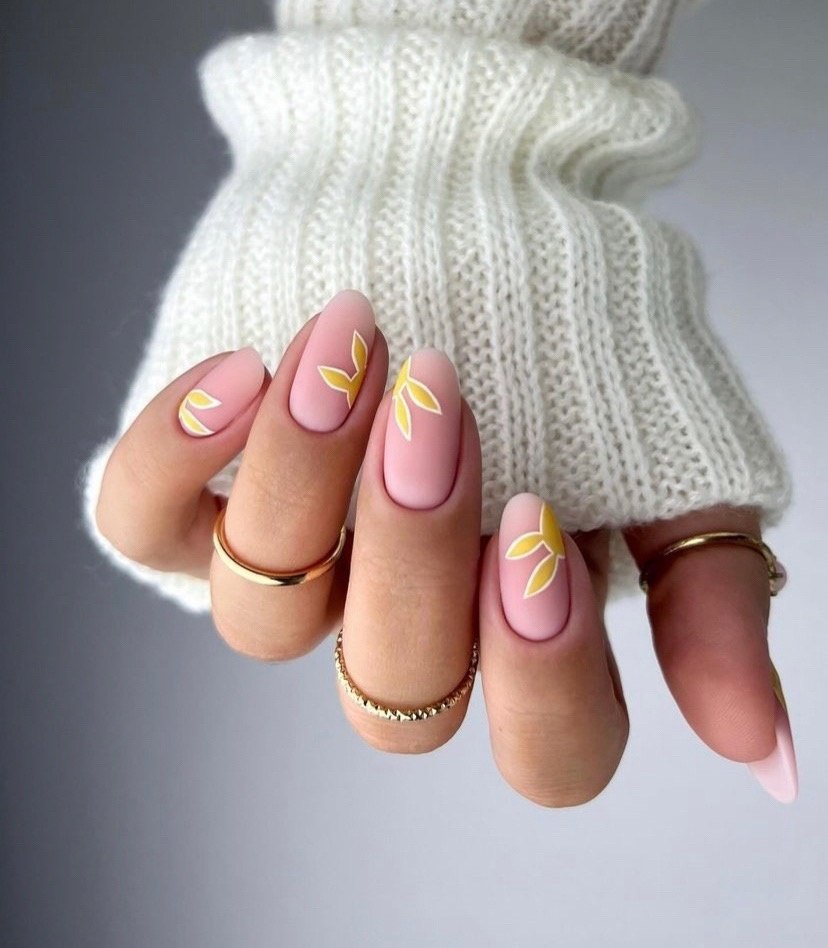
Soft petal matte nails consist of a saturated, pastel base color—typically in the pink or peach family—finished with a non-reflective, velvety top coat. Instead of the high-gloss shine that characterizes most traditional manicures, this look relies on a muted, light-absorbing surface. The defining feature is the addition of minimalist, hand-painted botanical elements, such as small yellow petals, white leaves, or tiny sprigs, applied with high-pigment polish to create a subtle contrast against the flat background.
Behind the Trend
For much of the last year, the beauty landscape has been dominated by high-shine finishes. We have seen a heavy lean toward chrome powders, “glazed” surfaces, and glass-like gels that catch every flicker of light. While those looks are visually striking, they often feel clinical, futuristic, or even a bit loud. There is a growing desire to move away from that metallic intensity and toward something that feels more human and grounded. Soft petal matte nails offer a reprieve from the glare, providing a visual texture that feels as comfortable as a well-worn linen shirt.
This trend sits in a unique space between the minimalism of “clean girl” aesthetics and the maximalism of intricate nail art. It isn’t as stripped-back as a simple nude manicure, nor is it as overwhelming as full-nail decals or heavy glitter. It occupies a middle ground of “quiet decoration.” There is also a deep sense of nostalgia woven into this style; the hand-painted motifs evoke the feeling of botanical sketches found in old field guides or the delicate watercolor washes used in greeting cards. It is a trend that celebrates the imperfection of nature rather than the precision of a machine.
How to Get Soft Petal Matte Nails
Achieving this look begins with your choice of base color. To stay true to the trend, look for a cream-finish polish in a soft, opaque pink. You want a shade that feels milky rather than neon, something that mimics the color of a peony or a pale sunrise. Apply two thin, even coats to ensure the color is consistent across the entire nail bed. Avoid sheer or jelly finishes for the base, as the matte top coat works best when it has a solid, even canvas to sit upon.
Once your base color is completely dry, the most important step is the application of a matte top coat. This specific product category is what transforms the visual weight of the manicure. Instead of adding a layer of plastic-like shine, a matte top coat absorbs light, giving your nails a soft-focus, suede-like appearance. Apply this layer with a steady hand, ensuring you cover the edges of the nail to prevent any accidental gloss from peeking through at the tips.
With your matte base set, it is time for the botanical accents. You will need a highly pigmented, opaque polish in a contrasting color, such as a soft buttery yellow or a creamy white. For the best results, use a fine-detail liner brush rather than the brush that comes in the bottle. This allows for the precise, intentional strokes required for small leaves or petals. Rather than attempting to cover the entire nail, focus on small, asymmetrical placements. A single leaf near the cuticle of the ring finger or a small cluster of petals on the thumb feels more organic and less staged. When painting the motifs, remember that the matte surface will slightly dull the color of the art as well, so don’t be afraid to use a slightly brighter shade of yellow to ensure the design remains visible against the pink.
If you find that you want to experiment further, you can add a secondary layer of dimension by using a tiny amount of gold leaf or a fine metallic pigment only on the center of the painted petals. This creates a subtle, light-catching element that feels integrated into the design rather than applied on top, offering a hint of shimmer that respects the overall softness of the look.