Try the Jelly Marble Nail Trend for the Dreamiest Spring Manicure
It is a soft-focus look we will be wearing all season.
The sun hangs a little lower in the sky during these late afternoon hours, casting long, honey-colored streaks across a wooden tabletop. When a glass of iced tea sits in the path of that light, the liquid inside seems to glow, catching tiny, dancing reflections that swirl as the ice shifts. There is a certain weightlessness to the light, a way it moves through color without ever feeling heavy or solid.
While you may be sitting at a desk or resting on a sofa rather than catching the afternoon glow in a sun-drenched garden, you can replicate that sense of light and movement. It is a feeling that translates beautifully to your fingertips through a specific, translucent aesthetic that feels much more organic than a standard solid color.
What Are Jelly Marble Nails?
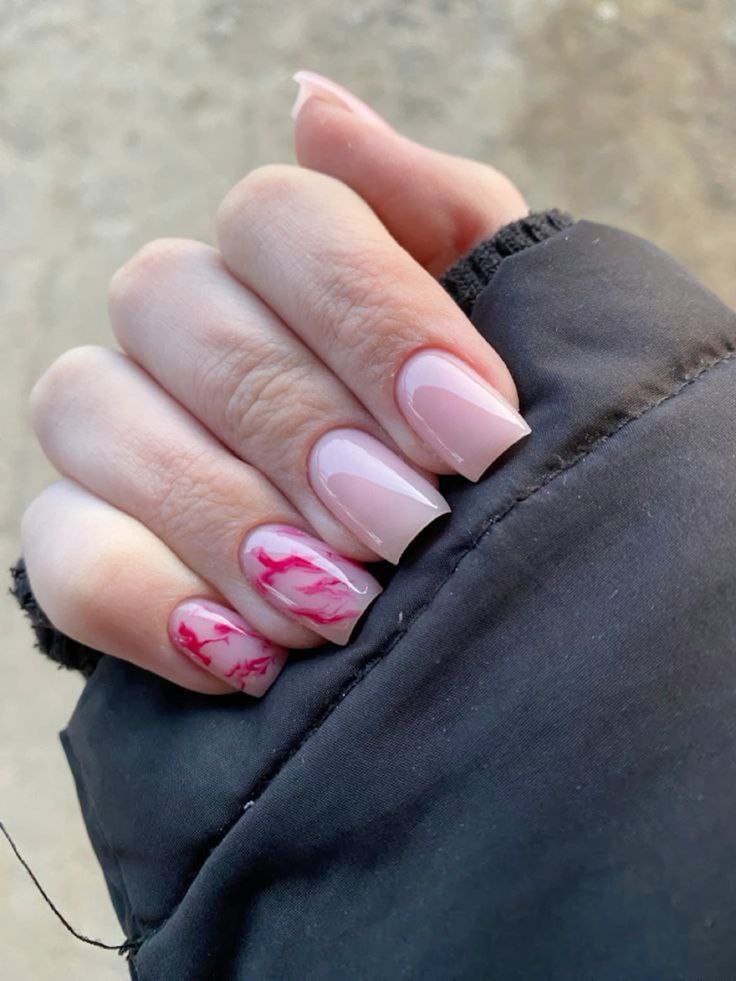
Jelly marble nails rely on a translucent, semi-transparent base rather than an opaque pigment. This base, often referred to as a jelly finish, possesses a certain viscosity that allows light to pass through the color, creating a sense of depth similar to stained glass or tinted resin. The marble element is achieved by suspending darker, more concentrated pigments within this sheer medium. Rather than sharp, distinct lines, the colors bleed into one another in soft, aqueous clouds, mimicking the way ink interacts with water or how natural stone veins appear under a polished surface.
Behind the Trend
As the heavy, saturated tones of winter begin to recede, there is a natural pull toward aesthetics that feel lighter and more breathable. After months of wearing thick knits and deep burgundies, the visual language of spring demands something more ethereal. Jelly marble nails sit in a unique space between the minimalist “clean girl” look—which often leans toward a single, milky sheer shade—and the highly decorative, maximalist nail art seen in recent seasons. It offers a middle ground that feels both artistic and understated.
This trend also moves away from the high-gloss, metallic intensity of chrome finishes. While chrome is striking and architectural, jelly marble is soft and fluid. It taps into a sense of nostalgia for watercolor paintings and the delicate, ephemeral beauty of cherry blossoms. There is a quiet sophistication in a manicure that doesn’t demand attention through brightness, but rather invites a closer look to appreciate the subtle layers of color held within the nail.
How to Get Jelly Marble Nails
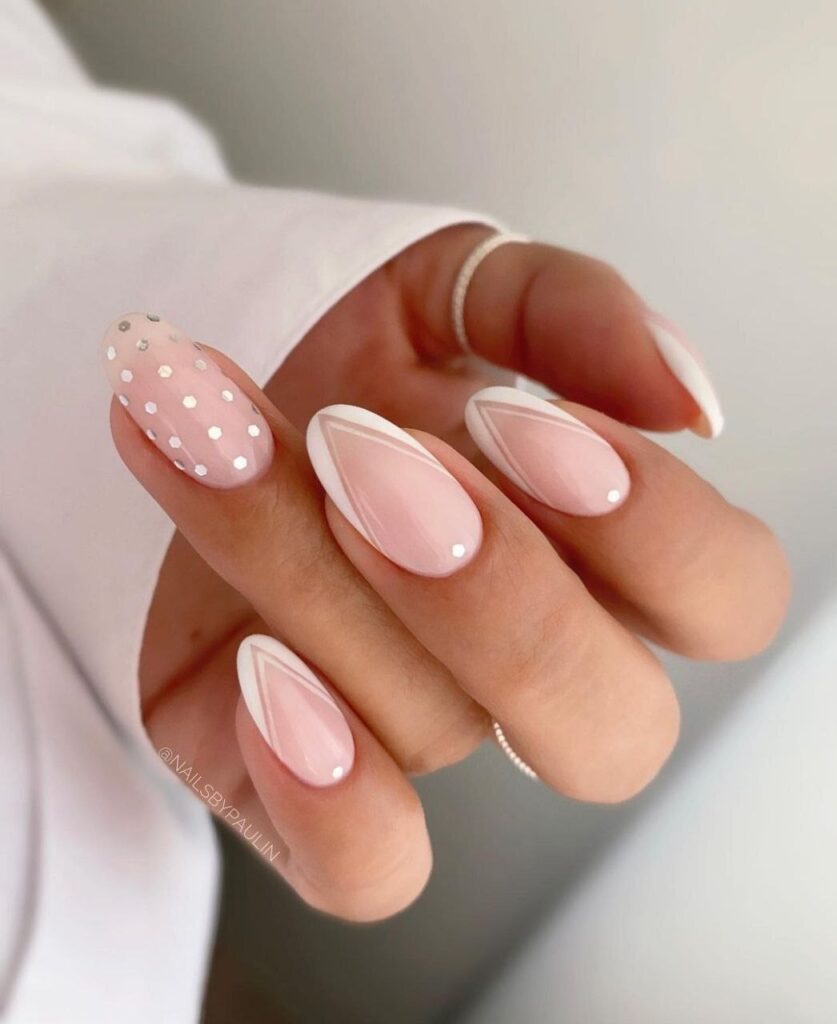
Achieving this look requires a bit of patience and an eye for layering, as the goal is to build depth rather than cover the natural nail completely. Begin with a clean, well-prepped canvas. For the best results, an almond or oval nail shape complements the fluid nature of the design, providing a soft silhouette that mirrors the organic marble patterns.
The foundation of the look is a sheer jelly polish in a soft, pale pink or a nude tone. When applying this base, remember that two thin, translucent coats read more true-to-trend than three coats aimed at achieving full opacity. You want the natural curve of your nail to be visible through the color, which provides the “glass” effect. Once the base layer is set, you will need a more pigmented, darker pink polish and a fine-tipped detailing brush. Instead of drawing structured lines, use the brush to pick up small amounts of the darker pigment and gently swirl it into the wet base or onto a partially dried layer. The key is to let the colors bleed; if the lines look too intentional or sharp, you can use a clean brush dipped in a tiny amount of clear base coat to soften the edges and pull the color outward.
If you find that the marble pattern looks too superficial, you can add a second layer of the sheer jelly polish over the top of your swirls. This creates a “sandwich” effect, making the marble appear as though it is floating deep inside the nail rather than sitting on the surface. Finally, seal the entire manicure with a thick, high-shine top coat. This final step is essential for providing that smooth, liquid-like finish that allows light to refract through the layers, completing the sense of movement and depth.
For a subtle variation as the season progresses, you might consider swapping the pink swirls for a soft lilac or even a seafoam green. This allows you to maintain the ethereal, translucent quality of the trend while shifting the palette to match different floral arrangements or spring wardrobes.