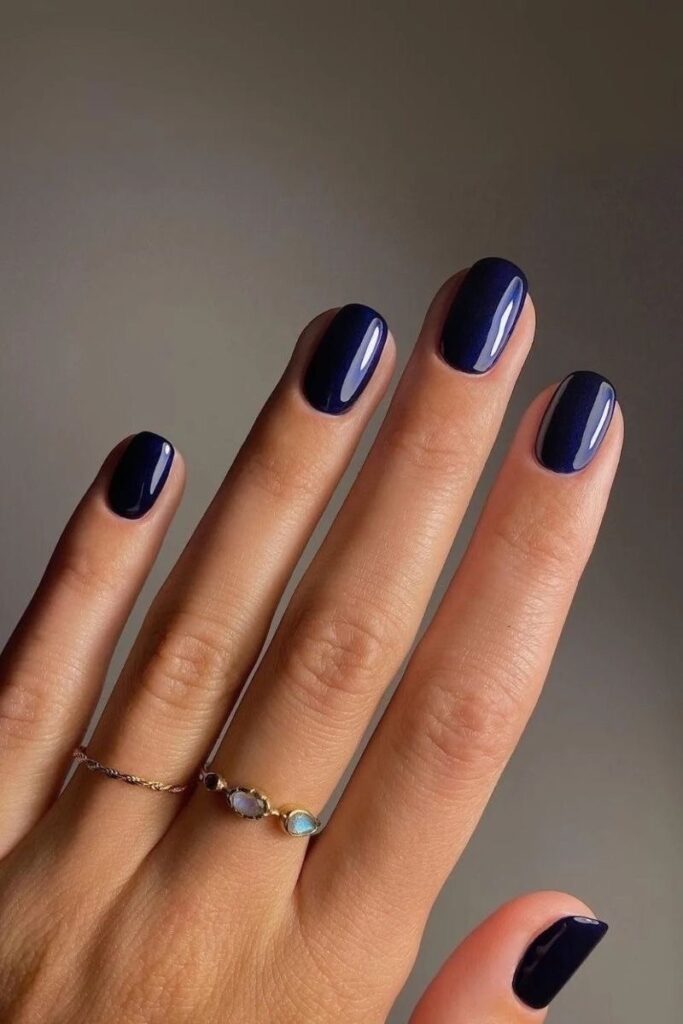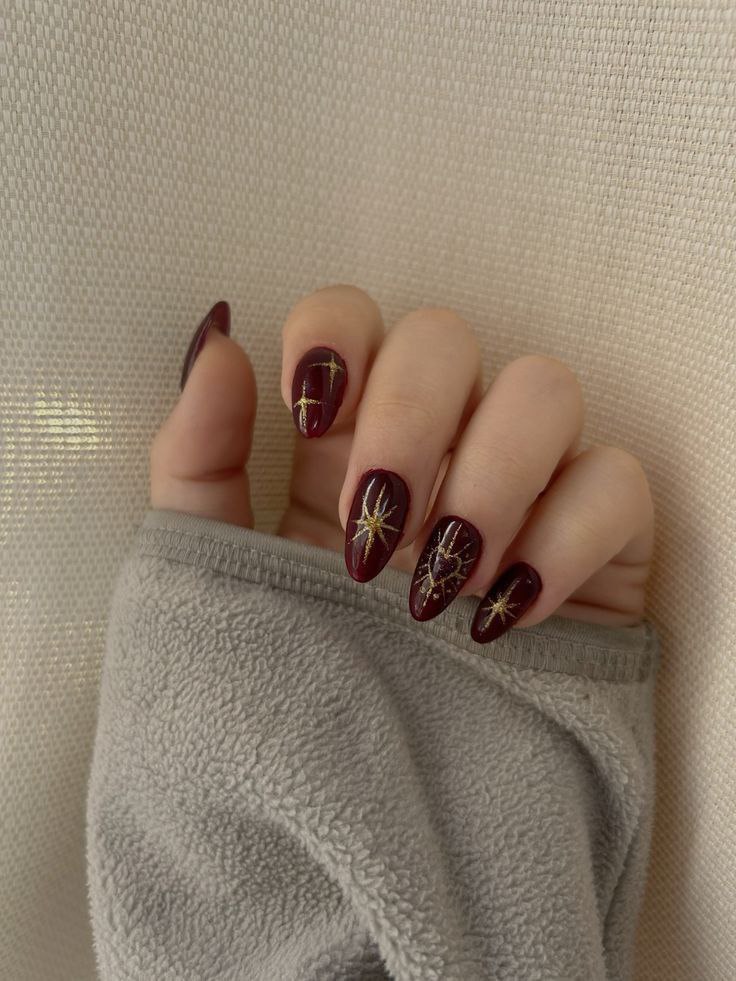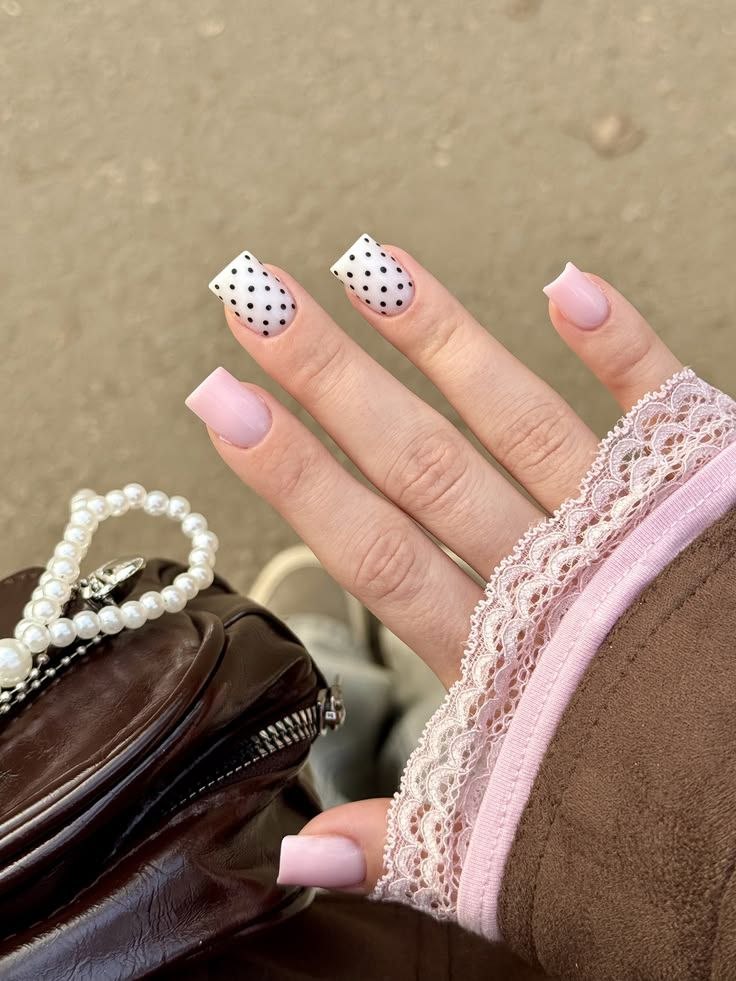
Your hands are often the first thing people notice, acting as a silent introduction to your personality. When your fingertips look polished and strong, you feel a sense of confidence that carries through your entire day. Achieving this look is not just about aesthetics; it is about prioritizing your nail health through consistent, mindful habits.
This professional guide provides the essential nail care tips for healthy nails you need to maintain vibrant, resilient fingers at home. By focusing on gentle handling, proper moisture, and balanced nutrition, you can transform the condition of your hands significantly.

We will explore how daily maintenance routines protect your skin and cuticles from damage. You will also learn how to identify when a change in appearance requires a visit to a medical expert. From selecting safe products to preventing common infections, this article covers everything required to keep your hands looking their absolute best.
Essential Nail Care Tips for Healthy Nails: Build Your Daily Routine
Starting your journey to stronger nails is easy. Just add simple habits to your daily routine. A consistent nail care routine protects your nails from damage. It keeps your nails strong and your hands looking great.
Clean Your Hands and Nails Without Stripping Natural Oils
Washing your hands often is good for hygiene. But harsh soaps can harm your nails. Use mild, moisturizing cleansers to keep your nails flexible.
Don’t scrub your nails with hard brushes. This can weaken them over time. When cleaning under your nails, use a soft tool or cloth. Avoid being too rough to prevent nail separation.
Moisturize Nails, Cuticles, and Surrounding Skin
Keeping your nails hydrated is key. The nail plate loses moisture easily. Apply cuticle oil or hand cream to keep your skin and nails moist.
Moisturize right after washing your hands or showering. This keeps your cuticles soft and your nails strong. Staying hydrated is a top essential nail care tip.
Inspect Your Nails for Changes During Routine Care
Use your daily care time to check your nails. Look at the color, texture, and shape of each nail. Early detection helps manage problems before they get worse.
Watch for signs like discoloration, ridges, or tenderness. If your nails are becoming brittle or lifting, it’s time to change your routine. Being observant keeps your nail care routine effective.
Keep Nails Strong With Gentle Trimming and Filing
Refining your nail trimming and shaping daily can make your nails strong. Regular nail maintenance stops snagging and painful breaks. It’s key for a busy life.

Choose the Right Nail Shape for Your Lifestyle
Picking the right nail shape is essential. For those who use their hands a lot, shorter, rounded shapes are better than long, pointed ones.
Rounded or square-oval shapes reduce snagging risks. They’re great nail strengthening tips for those on the move.
Trim Nails After Softening Them
Don’t trim dry, brittle nails. Wait until after a shower or warm hand soak to groom.
Softer nails are easier to cut without causing damage. This gentle method keeps your nail maintenance safe and stress-free.
File in One Direction to Reduce Splitting
Don’t saw back and forth when filing. This weakens the nail edge. File in one smooth direction to keep the nail strong.
This method stops the nail layers from splitting. It’s a patient approach to protect your strong nails.
How to Smooth Sharp Edges Without Thinning the Nail
Sharp corners after trimming need attention. Use a fine-grit glass file to smooth them out.
Be careful not to thin the nail too much. Focus on the free edge for safe and effective nail strengthening tips.
Avoid Cutting Nails Too Short
It’s tempting to cut nails short to avoid breaks. But, this exposes the sensitive nail bed. A small white free edge protects your fingertips.
Keeping nails at a modest length is key for nail maintenance. It keeps them functional and healthy.
Protect Your Nails From Water, Chemicals, and Physical Damage
Keeping your nails safe from harm is key to their health. Daily tasks can expose your hands to things that weaken your nails or irritate your skin. By changing a few habits, you can greatly improve your nail hygiene.
Wear Gloves for Cleaning, Gardening, and Dishwashing
Doing chores at home means facing harsh chemicals and dirt. Wearing waterproof gloves protects your nails from these dangers. This simple action helps keep your nails strong and prevents them from becoming brittle or discolored.
Limit Prolonged Water Exposure
Water is good for you, but too much can harm your nails. It makes them swell and then weakens them. Try to keep your hands dry to keep your nail health in check and avoid irritation.
Use Tools Instead of Your Nails for Opening and Scraping
Your nails aren’t tools. Using them for tasks like opening boxes can hurt your nails. Always use a letter opener, a coin, or a tool for demanding physical tasks.
Reduce Damage From Acetone and Harsh Nail Products
Strong solvents can dry out your nails, making them peel. Choose acetone-free removers to keep your nails healthy. These gentler options help your nails stay flexible and strong.
How to Remove Nail Polish More Gently
When taking off polish, don’t scrub hard. It can damage your nails. Instead, soak a cotton pad in remover and press it on your nail for a few seconds. Then, you can wipe it off with minimal friction.
Care for Your Cuticles Without Causing Injury
Many people forget about the cuticle when they think about natural nail care. This thin layer of skin is key to keeping the nail safe from germs and harm. It’s important for keeping your nails healthy for a long time.

Understand the Protective Role of Cuticles
The cuticle is like a shield for your nails. It keeps germs out, which helps avoid painful infections. Taking care of this area is a big part of natural nail care.
Soften Cuticles Before Performing Any Maintenance
Don’t try to mess with dry or hard cuticles. Always soften the skin first with warm water or cuticle oil. This makes the skin easy to work with and keeps your nail health safe.
Push Cuticles Back Carefully Instead of Cutting Them
Don’t cut your cuticles too deep. Cutting too much can lead to irritation and infection. Instead, use a soft orange stick to gently push the skin back after it’s soft.
Manage Hangnails With Clean Clippers
Hangnails can be painful and lead to more damage if not treated. Use sharp, clean clippers to trim only the dead skin. Make sure your tools are clean to avoid spreading germs.
When a Hangnail Needs Professional Attention
Sometimes, a hangnail can get worse. If you have worsening pain, redness, or swelling, see a doctor. Also, if you see drainage or tenderness spreading, it’s time to get help for your nail health.
Support Nail Health Through Nutrition and Everyday Habits
Getting strong nails often starts with what you eat. Your body needs certain nutrients to grow nails that are tough and healthy. These nail strengthening tips show how what you eat affects your nail growth.
Eat Enough Protein for Healthy Nail Growth
Your nails are made mostly of keratin, a tough protein. If you don’t get enough protein, your nails might become weak or grow slowly. Eating lean meats, beans, eggs, and nuts helps build strong nails.
Include Iron, Zinc, Biotin, and Vitamin-Rich Foods
Eating a balanced diet is key to getting the nutrients your nails need. Not getting enough of certain nutrients can cause problems like ridges or thinning nails. Here are some foods to include in your diet:
- Iron-rich foods: Spinach, lentils, and lean red meat.
- Zinc sources: Pumpkin seeds, chickpeas, and fortified cereals.
- Biotin-packed options: Eggs, almonds, and sweet potatoes.
- Vitamin-rich produce: Bell peppers, citrus fruits, and berries.
Drink Enough Water to Support Skin and Nail Hydration
Drinking enough water is as important for your nails as it is for your skin. When you’re dehydrated, your nails can become dry and brittle. Drinking water helps keep your nails flexible and healthy.
Understand When Supplements May Not Be Necessary
Some people take supplements to improve their nail health. But, if you eat a balanced diet, you might not need them. Taking too many supplements can even upset the balance of nutrients in your body.
Why You Should Discuss Persistent Nail Problems With a Clinician
Nutrition helps with normal growth, but it can’t fix every problem. If you notice changes like deep discoloration or thickening, it could be a sign of a bigger issue. Always talk to a doctor before starting new supplements to make sure you’re addressing the real problem.
Use Nail Polish, Gel, and Acrylic Products More Safely
When you use gels, acrylics, or polishes often, taking care of your nails is key. These products can make your nails look great but may harm them if not used right.

Give Natural Nails Breaks Between Manicures
Your nails need time to rest from chemicals. Try to go without polish for at least a week. This helps your nails stay strong and healthy.
Prepare Nails Without Buffing Away Too Much Surface
Don’t overbuff your nails. It can make them thin. Use a fine-grit file gently to just remove shine. This keeps your nails strong.
Prevent Damage During Gel Polish Removal
Don’t force off gel polish. It can damage your nails. Soak your nails in acetone with cotton balls and foil to remove it safely.
Recognize the Risks of Acrylics and Extensions
Acrylics and extensions can harm your nails. They need harsh adhesives and filing. This can make your nails thin and sensitive. If you use them, choose a professional who cares about your nail health.
Signs That You Should Stop Using a Nail Product
Listen to your body with nail products. Stop using a product if you feel burning, itching, or blisters. Also, watch for swelling, tenderness, lifting, or color changes. These are signs your nails need a break and expert advice.
Prevent Common Nail Problems With Better Nail Hygiene
Good nail hygiene helps avoid painful infections and damage. Keeping your nails clean reduces the risk of harmful germs. Regular nail maintenance protects your nails from common problems.
Keep Nail Tools Clean and Personal
Your tools should only be for you to avoid germs. Don’t share clippers or files with others. Use new emery boards to avoid dirt and germs.
Do Not Bite Your Nails or Pick at the Skin
Biting or picking at your nails can lead to infections. These small injuries can cause lasting damage. It’s important to stop these habits for healthy nails.
Reduce the Risk of Fungal and Bacterial Infections
Keeping your hands clean and dry stops infections. Watch for signs of infection like redness or swelling. Deal with it fast to avoid bigger problems.
How to Clean Nail Clippers, Files, and Cuticle Tools
Cleaning your tools is key. Here’s how to keep them clean:
- Wash metal tools with soap and warm water.
- Disinfect with rubbing alcohol to kill germs.
- Let tools dry before storing them.
- Throw away tools that can’t be sterilized.
Keep Feet and Toenails Healthy Alongside Fingernails
Your toenails need the same care as your fingernails. Keep your feet dry to stop fungus. Wear shoes that fit right to avoid nail problems.
Know Which Nail Changes Require Medical Care
Your nails can tell a lot about your health. Small issues like minor injuries or aging might not be a big deal. But, if problems keep coming back, it’s time to see a doctor to keep your nail health in check.
Separate Normal Nail Growth From Warning Signs
It’s normal to see small white spots or ridges as your nails grow. These are usually okay and come from everyday bumps. But, watch out if these spots don’t go away or show up on many nails at once.
Take Persistent Discoloration, Thickening, or Separation Seriously
Long-lasting changes in your nails mean it’s time to focus on nail hygiene. See a doctor if you notice:
- Dark streaks or black spots that don’t move with the nail.
- Significant thickening that makes trimming hard.
- The nail plate lifting away from the nail bed.
- Yellowing or crumbling textures that last for weeks.
Respond to Pain, Swelling, Bleeding, or Pus
Acute symptoms are not just about wear and tear. Redness, warmth, or swelling around the nail fold could mean an infection. Any pus or unexplained bleeding needs quick medical help to avoid more problems.
Understand How Health Conditions Can Affect Nail Appearance
Your nails can show signs of health issues like thyroid problems, anemia, or psoriasis. When your body is stressed, it might not focus on nail growth. If you have a chronic condition, watch your nails for sudden changes in shape or color.
What to Record Before a Dermatology Appointment
To help your doctor, keep a log of your symptoms. Having this information ready can make your visit more effective:
- The date you first noticed the change.
- A list of all affected nails.
- Any recent injuries or exposure to new chemical products.
- Associated symptoms like pain, itching, or numbness.
- A summary of your current health conditions and medications.
Maintain Strong, Healthy Nails With Consistent Care
Getting beautiful hands starts with gentle habits, not quick fixes. Building strong nails means focusing on daily care, not harsh treatments. These treatments can actually harm your nails more.
Your daily routine is key to healthy nails. Keep your hands clean, moisturize, and protect them from harsh chemicals. This helps your nails grow strong.
Consistency is key for healthy nails. Use tools for heavy work, trim nails carefully, and choose quality products. Brands like OPI or Essie are good choices to avoid damage.
Watch how your nails look and feel over time. If you see changes, pain, or odd colors, see a doctor. Being proactive keeps your nails strong and beautiful for years.