Try the Coquette Floral Trend for the Dreamiest Spring Manicure
A soft, romantic way to welcome the new season.
There is a specific kind of quiet that arrives in late April. It is the feeling of the air losing its bite and turning soft, smelling faintly of damp earth and the first, hesitant blooms of jasmine. You might find yourself sitting in a patch of early morning sunlight, watching the way a stray petal drifts across a wooden garden table, landing with almost no weight at all. It is a moment of absolute stillness, where everything feels delicate and entirely new.
While you may not be spending your afternoon in a sun-drenched garden, you can certainly bring that sense of lightness and seasonal renewal to your everyday life. You can carry that fleeting, botanical grace with you through the simple act of a manicure that favors softness over strength and whimsy over precision.
What Are Coquette Floral Nails?
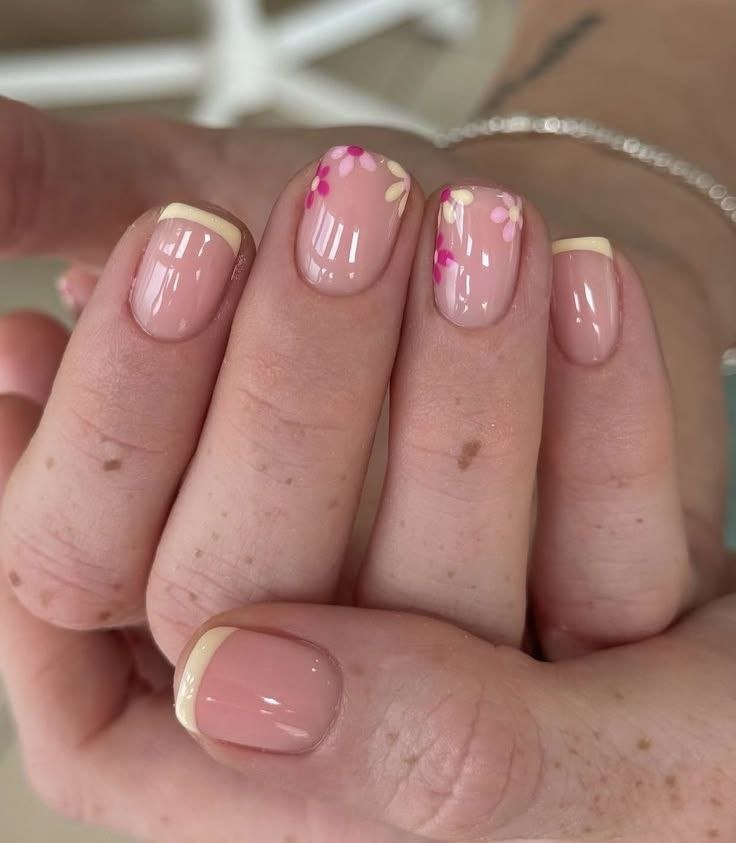
Coquette floral nails are characterized by a high degree of translucency and a delicate, hand-crafted aesthetic. Rather than using heavy, opaque pigments, this look relies on a sheer, milky-pink or nude base that allows the natural nail to peek through, creating a “jelly” or glass-like effect. The decorative elements consist of micro-florals—tiny, fine-lined petals and centers—scattered loosely across the nail surface. This trend often incorporates a softened version of the classic French manicure, replacing the stark, bright white tip with a creamy off-white or pale ivory that feels more organic and vintage-inspired.
Behind the Trend
This aesthetic is a response to the heavy, structured trends that dominated the colder months. After seasons of dark chromes, sharp stiletto shapes, and high-contrast “clean girl” minimalism, there is a collective pull toward something more emotive and textured. The Coquette Floral look sits in a unique space between the hyper-minimalism of recent years and the maximalism of traditional nail art. It feels intentional and decorative, yet it remains understated enough for daily wear.
There is also a strong element of romantic nostalgia at play here. It taps into a modern fascination with “cottagecore” and a desire to return to a more pastoral, slow-living mindset. While trends like “glazed donut” nails focus on a singular, futuristic shimmer, Coquette Florals focus on the organic. It is less about looking polished in a corporate sense and more about looking as though you have spent your weekend reading poetry in a meadow. It is a shift from the digital-first, high-shine aesthetic toward something that feels tactile, soft, and deeply connected to the changing seasons.
How to Get Coquette Floral Nails
Achieving this look requires patience and a preference for subtle layering rather than bold strokes. You should begin by selecting a sheer, translucent polish in a shade of milky rose or a very pale peach. This provides the necessary depth without the artificial weight of a standard opaque nude. Apply two very thin coats, allowing each to dry completely, to ensure the base remains luminous and clear rather than streaky. If you find your base color is too transparent, a third very thin layer can add just enough warmth without losing that “lit from within” quality.
Once your base is set, you can move on to the floral details. For this, you will need a very fine-tipped detail brush and a few pastel gel or lacquer colors, such as a soft petal pink and a pale buttery yellow for the centers. Instead of attempting large, uniform blossoms, aim for tiny, asymmetrical petals that appear to be floating. A successful Coquette manicure looks best when the flowers are not perfectly centered; let them drift toward the edges of the nail or cluster near the cuticle to mimic the natural randomness of a garden. If you are feeling ambitious, you can vary the size of the flowers on each finger to create a sense of movement.
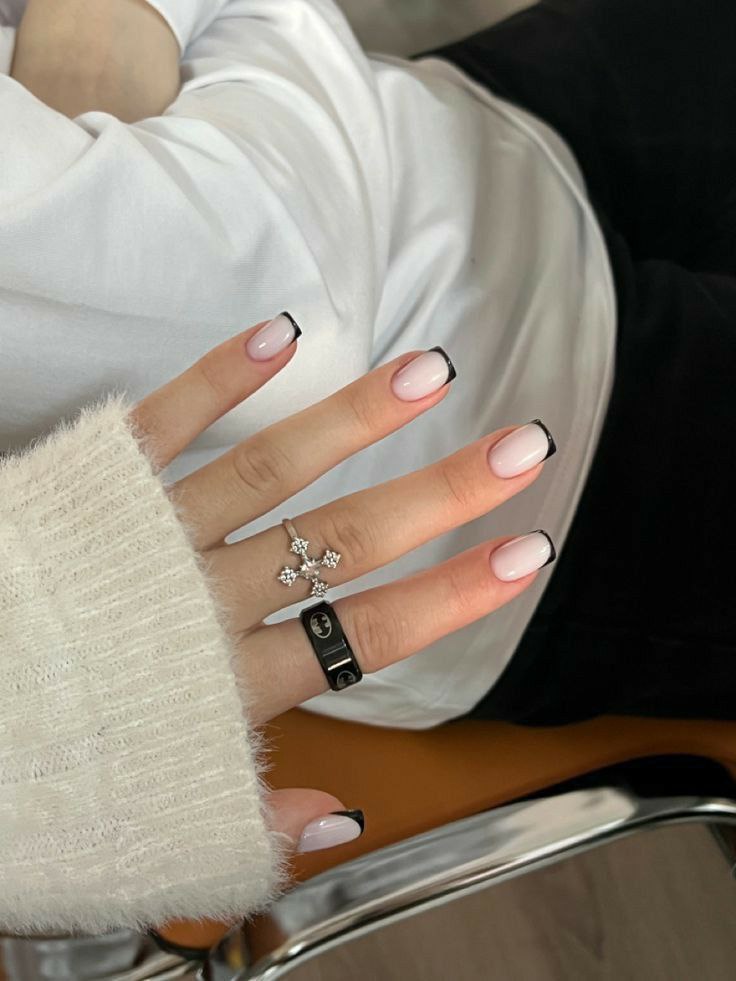
For those who want to incorporate the French tip variation, avoid the traditional bright white. Instead, reach for a creamy, off-white or a soft ivory polish. Rather than painting a sharp, geometric line across the tip, use a slightly more rounded, soft edge that follows the natural curve of your nail bed. This prevents the manicure from looking too severe and keeps the focus on the soft, romantic theme. To finish, seal your work with a high-shine, clear top coat. A thick, glass-like finish is essential here, as it mimics the appearance of dew and gives the tiny painted flowers a multidimensional, realistic depth.
If you want to take this look to a more celebratory level, try adding a single, tiny pearl or a micro-dot of iridescent shimmer to the center of each flower. This subtle addition catches the light as you move your hands, offering a tiny hint of magic that feels perfectly in tune with the spirit of spring.