Try the Botanical Milk Nail Trend for the Softest Spring Manicure
A gentle, garden-inspired look you’ll want to keep all season.
The morning air carries a certain weight, a damp coolness that clings to the edges of the garden before the sun has fully cleared the treeline. There is a specific stillness in that moment, punctuated only by the rhythmic drip of dew falling from a hydrangea petal onto the soft, dark earth. You find yourself reaching for a warm ceramic mug, the steam rising in slow, lazy curls that catch the light, while the scent of crushed mint and wet soil settles around you like a quiet promise.
While you may currently be sitting in a sunlit kitchen or perhaps a quiet office rather than a dew-covered garden, that sense of organic softness can be brought into your daily life through more subtle means. You can carry that quiet, pastoral serenity with you, captured in the small, intentional details of your personal style—starting with your fingertips.
What Are Botanical Milk Nails?
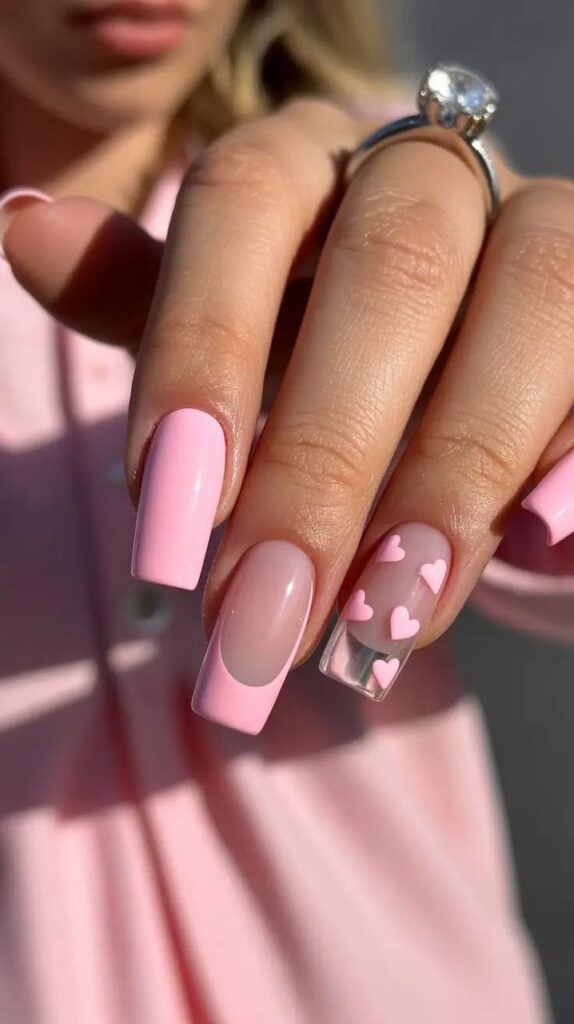
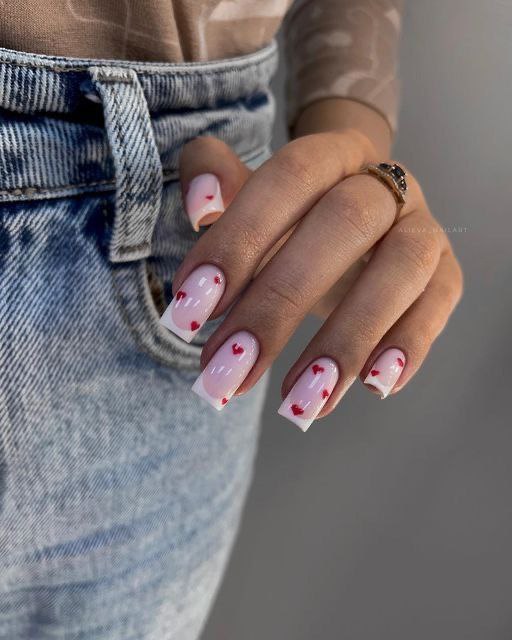
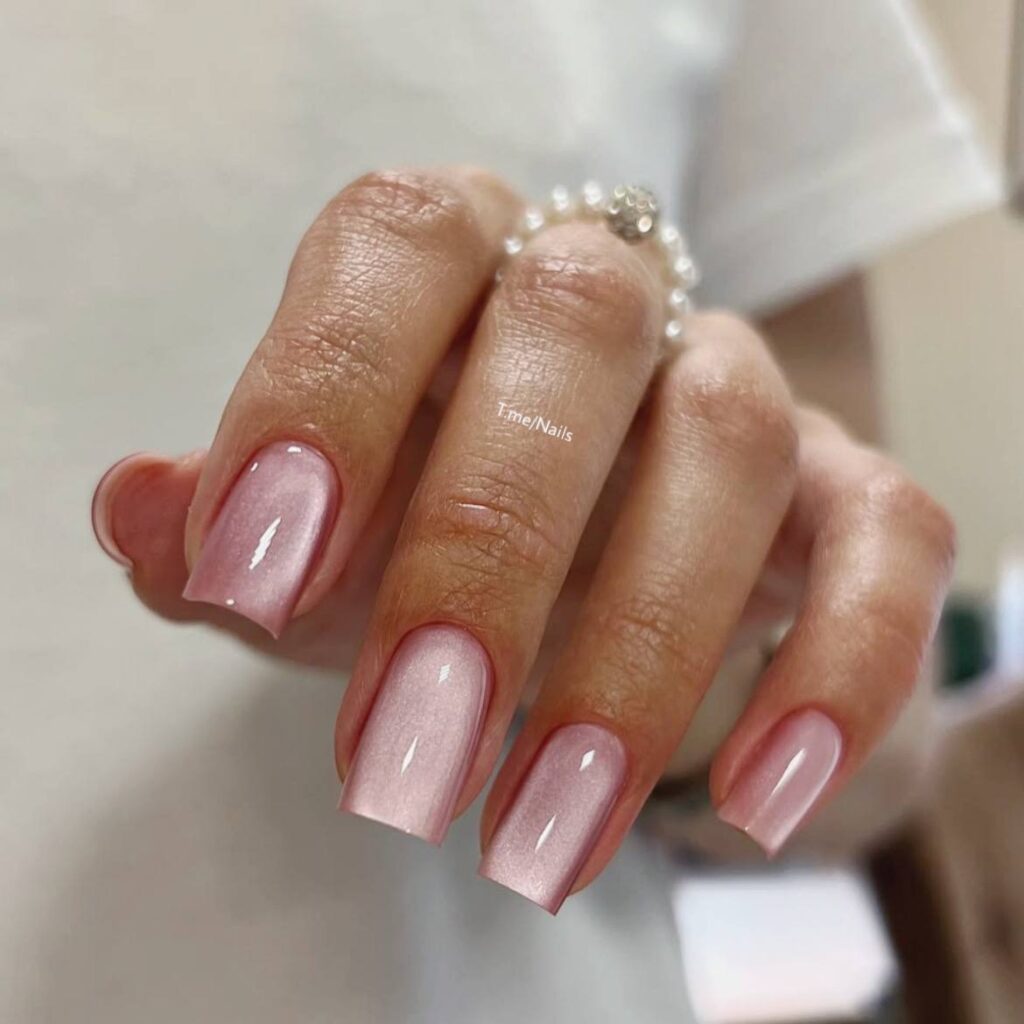
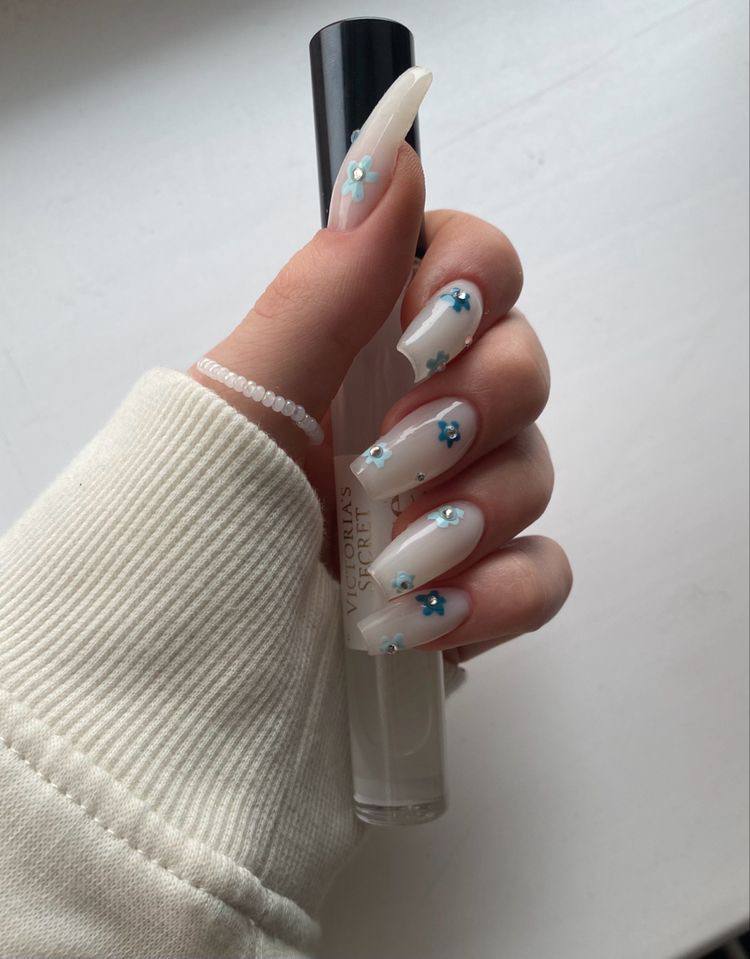
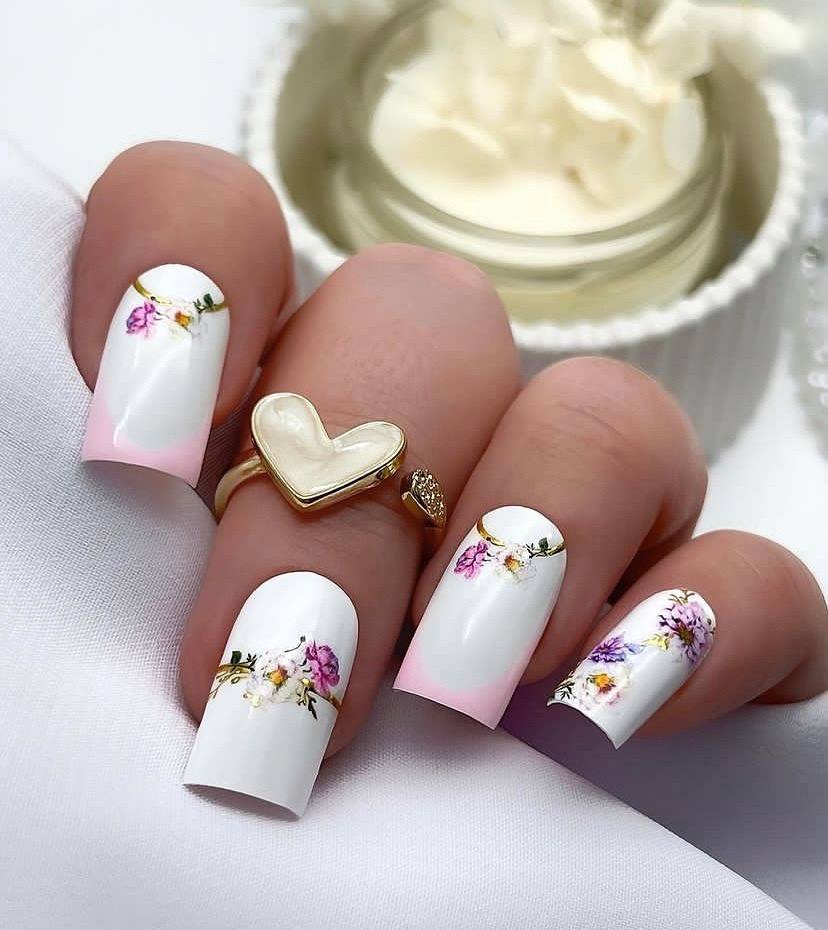
Botanical milk nails consist of a semi-translucent, milky white base that mimics the appearance of clouded glass or cream. This soft foundation is often paired with a subtle pink gradient, or “blush tip,” where a sheer rose hue melts into the white at the free edge. The defining feature, however, is the intricate, hand-painted floral artistry. Small, fine-lined botanical motifs—think tiny wildflowers, rosebuds, or delicate leaves—are applied over the base, often accented with micro-flakes of gold leaf to add a hint of light-catching texture.
Behind the Trend
This aesthetic arrives as a soft counterpoint to the high-contrast, high-shine trends that dominated recent seasons. Where chrome finishes and sharp, geometric negative space nails demand immediate attention with their metallic intensity, botanical milk nails invite a slower, more intimate kind of observation. They belong to a broader movement toward “soft” aesthetics, prioritizing textures that feel natural, breathable, and calm. It is a shift away from the digital-feeling perfection of heavy 3D gels and toward something that feels more tactile and human.
There is a deep sense of nostalgia woven into this look, reminiscent of pressed flowers tucked between the heavy pages of an old hardcover book or the delicate porcelain of a vintage tea set. It taps into a collective desire for a connection to the natural world, even when we are far from it. By choosing patterns that mimic the irregular, beautiful chaos of a garden rather than the rigid lines of modern design, the manicure feels less like a manufactured accessory and more like a curated piece of art.
How to Get Botanical Milk Nails
To achieve this look, your primary objective is to build depth without losing translucency. Begin with a clean, well-prepped nail surface. Instead of reaching for a thick, opaque white polish, select a milky white gel or a semi-sheer lacquer. When applying your base, favor two very thin, even coats over one heavy layer; this allows a hint of the natural nail to show through, which is essential for that ethereal, “cloudy” effect. Once the base is set, you will want to introduce the gradient. Take a sheer, pale pink polish and use a small makeup sponge or a very fine, fluffy brush to lightly dab the color onto the tips of your nails. The goal is a seamless transition where the pink appears to be glowing from beneath the white, rather than sitting sharply on top of it.
Once your gradient is dry, the artistry begins. You will need a set of fine detail brushes—the kind used for miniature painting—and a collection of highly pigmented gel paints in shades of sage green, dusty rose, and soft lavender. Work in small, controlled movements. Rather than attempting large, sweeping flowers, focus on tiny, delicate botanical elements. A single, tiny dot can become the center of a bloom, while a thin, sweeping line of green creates a stem. If you find your hand is less steady, remember that asymmetry is part of the charm; real flowers are rarely perfect. To add a touch of light, use a small tool to place tiny fragments of gold leaf near the blossoms. Finally, seal the entire design with a high-shine top coat to give the petals a dewy, fresh-from-the-garden appearance.
If you want to take this look a step further for a special event, consider incorporating actual dried, pressed flowers into your manicure. By sandwiching a real, miniature petal between your color layers and a clear top coat, you create a literal botanical specimen on your nail, adding a level of dimension that feels truly singular.