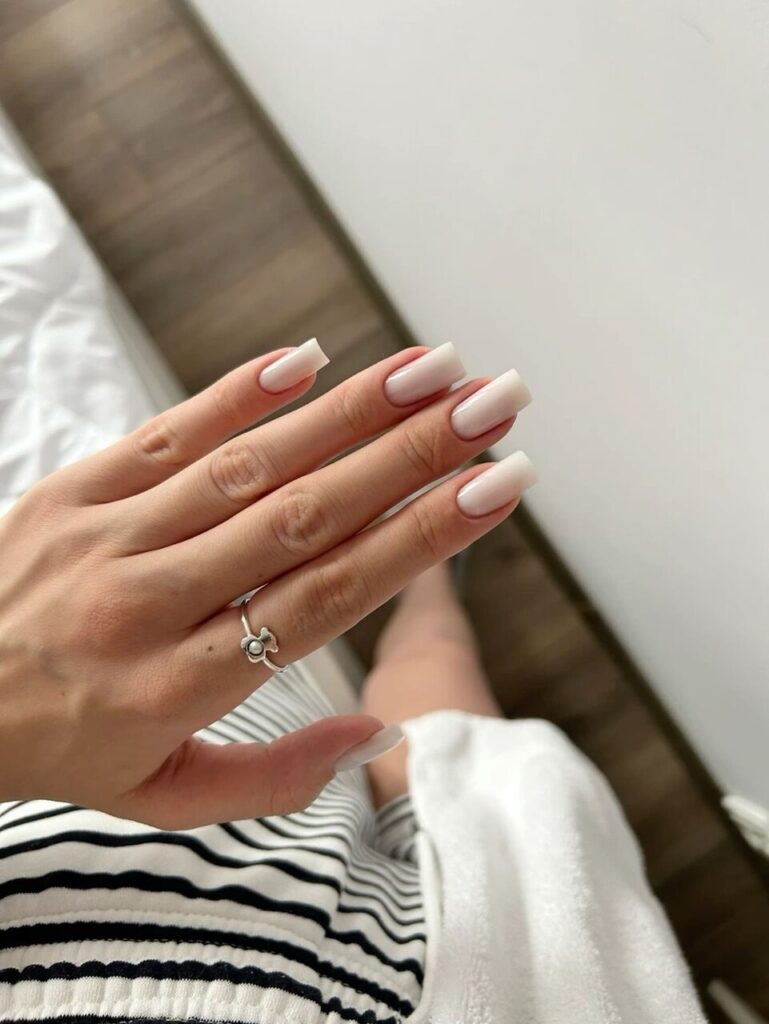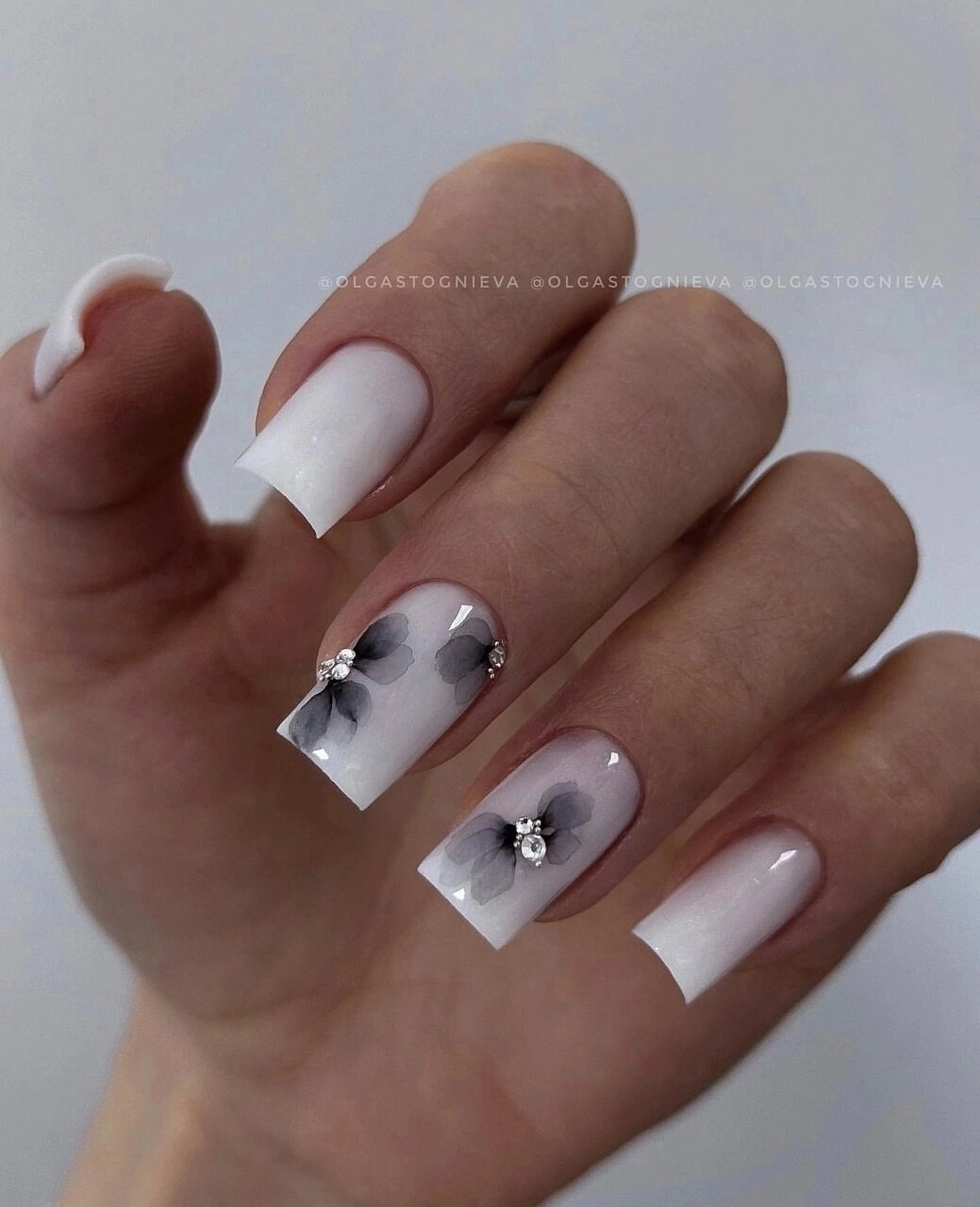
Try the Butter Yellow Nail Trend for the Brightest Spring Manicure
It is the new neutral we are wearing all season.
You are standing in a kitchen where the morning light hits the countertop in long, pale strips. The air smells of toasted sourdough and cold lemon water. On the table sits a small vase of jonquils, their petals a soft, creamy yellow that feels quiet and optimistic. You are wearing a linen robe, and the house is still, save for the distant hum of a neighborhood waking up and the rhythmic ticking of a clock in the hallway. There is a profound sense of stillness, a feeling that the day is wide open and completely unhurried.
You probably aren’t spending your Tuesday morning in a slow-motion dreamscape, but you can still capture that same sense of ease. The mood is less about a specific location and more about a feeling of brightness and softness, a visual exhale. You can translate this precise energy onto your fingertips, turning a simple grooming ritual into a way of carrying that spring morning light with you through the rest of the day.
What Are Butter Yellow Nails?
Butter yellow nails feature a pale, creamy pigment that sits halfway between a pastel and a neutral. The finish is typically a smooth, opaque crème that mimics the texture of softened butter or vanilla custard. Unlike neon yellows, which lean toward a sharp, highlighter-like glow, this shade lacks a harsh green undertone, opting instead for a warm, milky base. It is a saturated color that remains soft, offering a matte or high-gloss finish that looks clean and deliberate across all skin tones.
Behind the Trend
The shift toward this specific hue comes as a reaction to the stark minimalism that has dominated the last few years. For a long time, the standard was the “clean girl” aesthetic—sheer nudes, milky whites, and transparent pinks that aimed to look as though the nail had no polish on it at all. While those looks provided a sense of order, there is now a collective pull toward color that feels joyful without being loud. Butter yellow serves as a gentle bridge between the deep, moody tones of winter—think cherry chocolate or forest green—and the high-contrast vibrancy of mid-summer.
There is also a certain nostalgic pull at work here. The color evokes the aesthetic of a vintage 1960s diner or the pale yellow of a childhood Sunday dress. It feels familiar and comforting, tapping into a desire for simplicity and warmth. When compared to the high-shine, futuristic look of chrome nails or the complex, blended gradients of aura manicures, butter yellow is a return to the basics. It offers a way to participate in a current trend without committing to an intricate piece of nail art that might feel dated in a few weeks. It is a color that signals a change in season not through a bold statement, but through a subtle shift in temperature.
How to Get Butter Yellow Nails
Begin by preparing your canvas. Start by shaping your nails into a soft oval or a short square, as these shapes complement the understated nature of the color. Push back your cuticles gently and buff the nail surface to remove any oils, which ensures the pigment adheres evenly. Apply a clear base coat to protect the nail bed and provide a smooth surface; this is especially important with pale yellows, as any ridge in the natural nail can be more apparent under a light-colored polish.
For the color, reach for a crème-finish polish in a pale yellow. A crème category polish is essential because it provides the dense, smooth opacity required to achieve that specific butter effect. A sheer or jelly polish would look too translucent, losing the richness that makes this trend distinct. Apply the first coat in thin, sweeping strokes, focusing on the center of the nail and then pushing the color toward the edges. Do not worry if the first layer looks slightly streaky or uneven; the second coat is where the richness and uniformity develop.
Let the first layer dry completely before applying the second. Two thin coats read more true-to-trend than one thick layer, which can lead to bubbling, longer drying times, or a muddy finish. Once the color is set, take a small cleanup brush dipped in acetone to crisp up the edges around the cuticle for a professional look. Finish the manicure with a high-gloss top coat. This gives the color a polished, glass-like sheen that mimics the luminosity of spring light and protects the pigment from chipping.
Next Level Your Look
If you want to add a bit more detail to the look, try adding a microscopic white French tip to the very edge of the nail. This creates a subtle contrast that makes the yellow pop while maintaining the overall softness of the manicure. Alternatively, a single, tiny gold stud placed at the base of the ring finger can add a touch of metallic warmth that complements the creamy tones of the yellow.