Try the Butter Yellow Nail Trend for the Softest Spring Manicure
A gentle wash of color that stays in style.
The air is finally losing its bite. You find yourself opening the windows just a crack, letting in that specific, cool-but-not-cold breeze that signals the end of the frost. There is a particular light that arrives this time of year—it isn’t the sharp, blinding glare of July, but something softer, filtered through budding trees and pale morning skies. It is a light that feels quiet, restorative, and deeply calm, the kind that makes you want to linger over a second cup of tea in the morning sun.
You likely aren’t sitting in a sun-dappled garden right now, perhaps clutching a lukewarm coffee at a desk instead, but you can certainly carry that sense of seasonal transition with you. Bringing that specific, soft warmth to your fingertips is one of the simplest ways to signal the shift in the atmosphere and invite a bit of that springtime lightness into your daily routine.
What Are Butter Yellow Nails?
Butter yellow nails are defined by a low-saturation, creamy finish. Unlike the high-octane, neon yellows often associated with the heat of mid-summer, this shade sits firmly in the pastel family. It is an opaque color, meaning it provides full coverage of the natural nail, but it lacks the harshness of a primary yellow. The texture should appear smooth and consistent, mimicking the appearance of actual dairy butter or a soft primrose petal. It is a color that feels more like a subtle tint of light than a heavy application of pigment, offering a look that is luminous rather than loud.
Behind the Trend
This trend arrives as a natural evolution of the minimalist aesthetics that have dominated the recent beauty landscape. For several seasons, the goal was a near-invisible manicure—sheer pinks, milky whites, and barely-there nudes that prioritized a sense of clinical, high-gloss perfection. While those shades are certainly timeless, they can sometimes feel a bit sterile or cold, especially as we move into the warmer, more organic energy of spring. There is a growing desire to move away from that “sad beige” minimalism toward something that feels more alive and expressive, yet still remains disciplined and polished.
Butter yellow provides a bridge between that minimalist discipline and the concept of dopamine dressing—the idea of wearing colors that boost your mood. It offers a way to participate in a colorful palette without the commitment of a bright, neon shade that might clash with a professional wardrobe or a delicate spring outfit. It feels intentional and quiet. Compared to the chrome-heavy trends that focused on high-shine, cool-toned reflections, butter yellow focuses on warmth and softness. It taps into a certain nostalgia for the soft-focus, sun-drenched imagery of the late 1970s, feeling both vintage and entirely modern. It is a color for those who want to feel bright and refreshed while maintaining a sophisticated, neutral silhouette.
How to Get Butter Yellow Nails
Achieving this look requires a focus on precision and the right kind of pigment. Start with a clean, well-moisturized nail surface; because the color is so soft and light, any unevenness in the cuticle or the nail plate will be more apparent than with a darker shade. A clear base coat is essential to prevent the yellow pigment from staining the natural nail and to create a perfectly smooth canvas for the color to sit upon.
When selecting your polish, look specifically for the creamy or pastel category. You want to avoid anything described as “sheer” if you are looking for that classic, opaque butter look, though a sheer version can work if you prefer a more ethereal, jelly-like finish. Apply the color in two very thin, even layers. This is the most important part of the process; because yellow pigments can sometimes be prone to streaking, attempting to achieve full opacity in one thick coat will almost always result in an uneven, bumpy finish. Two thin layers read more professional and allow the color to settle into a smooth, even wash of light.
When choosing your specific shade, consider your own skin undertones to find the most harmonious match. If you have cooler, pinker undertones, look for a butter yellow that leans slightly toward a pale lemon to provide a clean, crisp contrast. If your skin has warmer, golden undertones, a shade with a hint of cream or custard will feel particularly seamless. For the shape, almond or short, rounded edges complement the softness of the hue. A sharp, stiletto shape might feel too aggressive for such a gentle color, whereas a soft oval keeps the entire aesthetic cohesive and relaxed. Once your color is dry, finish with a high-shine top coat to give the nails a polished, healthy appearance. If you prefer a more contemporary, understated look, a satin or semi-matte top coat can make the color look even more like real, soft butter.
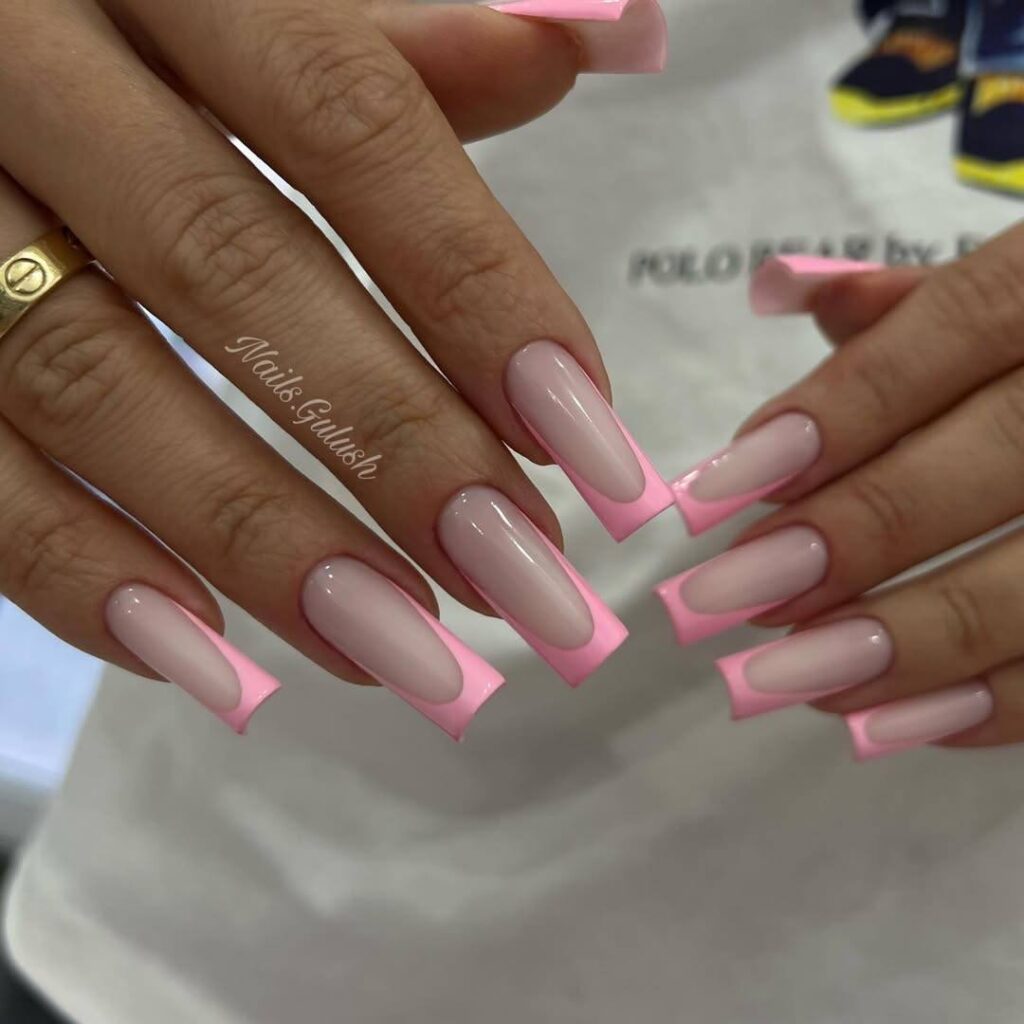
If you find yourself wanting a bit more dimension, try a micro-French variation. Instead of a full coat of yellow, use a sheer, milky nude base and apply only a very thin line of the butter yellow along the very edge of the free edge. It is a subtle way to play with the trend while maintaining a nearly neutral, everyday silhouette.