Try the 3D Textured Pastel Nail Trend for the Softest Spring Manicure
A tactile approach to color that stays in rotation all season.
There is a specific kind of quiet that exists in the early hours of a spring morning. It is the feeling of the air losing its sharp, winter bite and turning into something damp and soft, like a well-worn linen sheet. You might find yourself standing by an open window, watching the light change from a cold grey to a pale, buttery yellow, while the scent of wet earth and waking gardens drifts in. It is a moment that feels entirely tangible, defined by the subtle shifts in temperature and the heavy, soothing textures of a favorite knit sweater.
While you may not be standing in a dew-covered garden at this exact moment, you can certainly carry that sense of soft, physical presence with you. Sometimes, the most effective way to signal a change in season isn’t through a complete wardrobe overhaul, but through the small, rhythmic details we interact with every day. Bringing that sense of touch and texture to your fingertips through a 3D textured pastel manicure allows you to carry a piece of that springtime tactile comfort wherever you go.
What Are 3D Textured Pastel Nails?
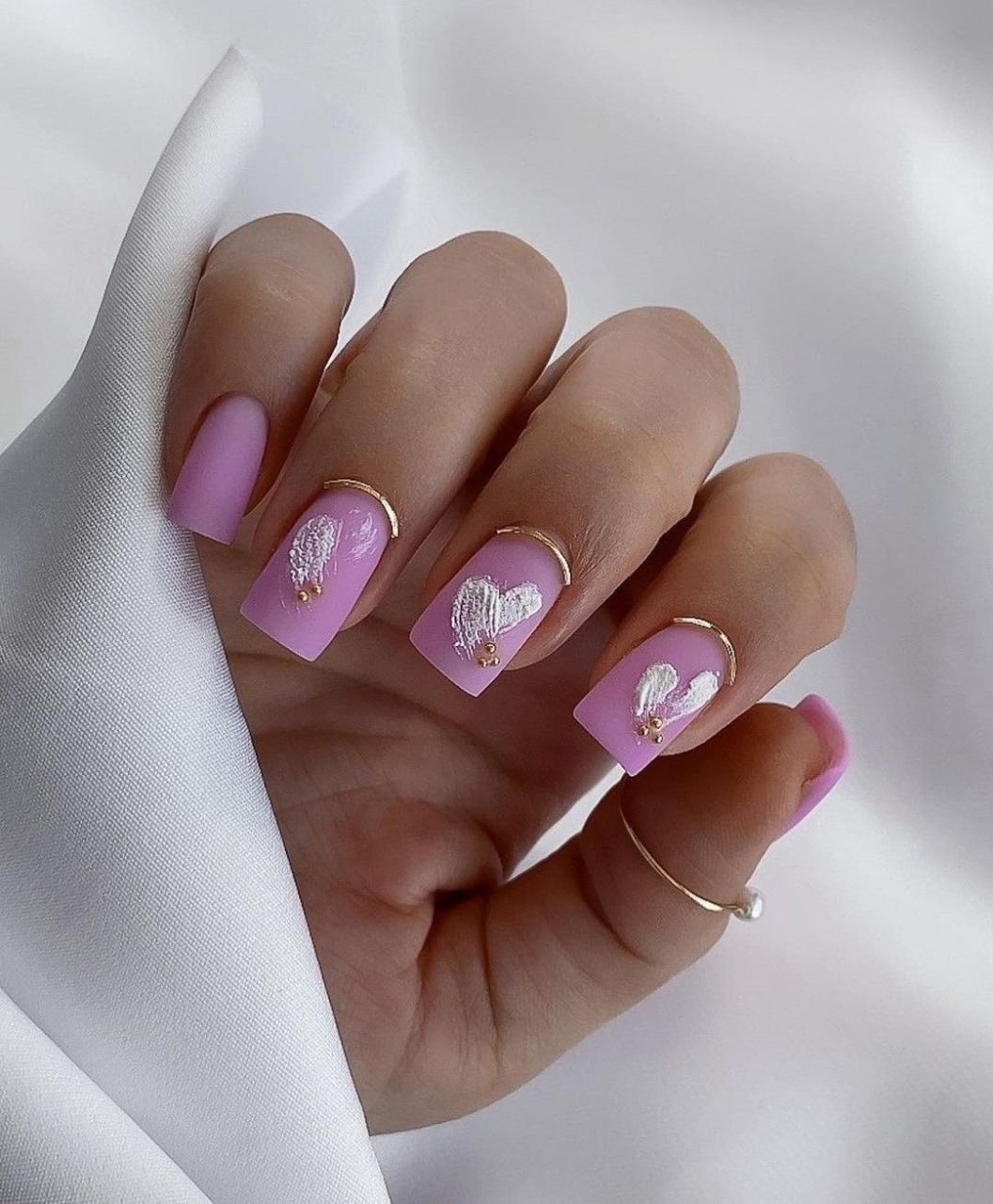
This trend centers on the intersection of soft, desaturated colors and physical dimension. Unlike traditional manicures that aim for a perfectly smooth, glass-like surface, 3D textured nails utilize high-viscosity products to create relief patterns on the nail plate. The base is typically a matte-finished pastel—think lilac, mint, or butter yellow—which provides a velvety backdrop. Over this, a thick builder gel or sculpting gel is applied in intentional, uneven strokes to mimic the look of impasto oil painting. To provide a sharp, refined contrast to the soft matte base and the raised white textures, thin metallic accents, such as gold or silver arcs, are often added to the cuticle or the tip.
Behind the Trend
For the past few seasons, the beauty world has been largely defined by the concept of the “clean girl” aesthetic. This meant sheer washes of color, high-gloss finishes, and an emphasis on looking almost untouched by product. We saw a heavy lean toward the “glazed” look, where the goal was a seamless, reflective surface that mimicked the sheen of healthy skin or silk. While that era provided a sense of polished minimalism, there is a growing movement toward something more expressive and sensory. We are seeing a shift away from the purely visual and toward the tactile.
3D textured nails resonate now because they feel artisanal. In an era where so much of our digital lives is flat and two-dimensional, there is a deep-seated nostalgia for the handmade. This trend borrows heavily from the world of fine art, specifically the impasto technique where paint is laid on an area of the canvas in very thick layers. It feels more like a miniature piece of sculpture than a standard coat of polish. It connects to a broader cultural interest in pottery, textile arts, and the beauty of imperfection. Rather than striving for a sterile, perfect surface, this manicure celebrates the ridge, the stroke, and the physical weight of the design. It is a way to make your manicure feel less like a routine and more like a curated, tactile experience.
How to Get 3D Textured Pastel Nails
Achieving this look requires a bit more patience than a standard polish application, but the results are far more interesting. You will want to start with a high-quality pastel crème polish in a shade like lavender, peach, or soft sage. Once your base color is completely dry and even, the most important step is applying a matte top coat. This is what transforms the nail from a standard shiny manicure into a sophisticated, velvet-like canvas. The matte finish is essential because it prevents the 3D elements from looking like they are simply sitting on top of a glossy surface; instead, the texture will appear to emerge from the nail itself.
To create the sculptural elements, you will need a thick builder gel or a specialized 3D sculpting gel. These categories are vital because they have a much higher viscosity than standard gel polish, meaning they will hold their shape and height without leveling out or flattening under a lamp. Using a fine detail brush, dip into the thick gel and begin to work in small, rhythmic, staccato strokes across the nail. You aren’t looking for perfect shapes; you are looking for the appearance of paint being dragged across a canvas. Think of it as making small, raised ridges that catch the light. Once the texture is set, you can add a final layer of refinement using a metallic gel liner. A thin, delicate gold arc placed near the cuticle provides a moment of brightness that breaks up the matte expanse and adds a sense of intentionality to the design.
If you find the white-on-pastel look a bit too stark, you can easily adapt this technique by using a translucent gel for the texture instead of an opaque one. This creates a subtle, “water-mark” effect that offers dimension without the high contrast. For an even more seasonal twist, try using a soft peach base with gold leaf flakes embedded directly into the textured gel strokes for a look that feels like sun-drenched fruit.